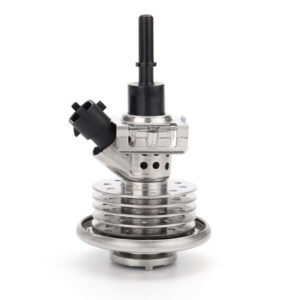
DEF Pump vs. DEF Injector: A Technical Diagnostic Guide
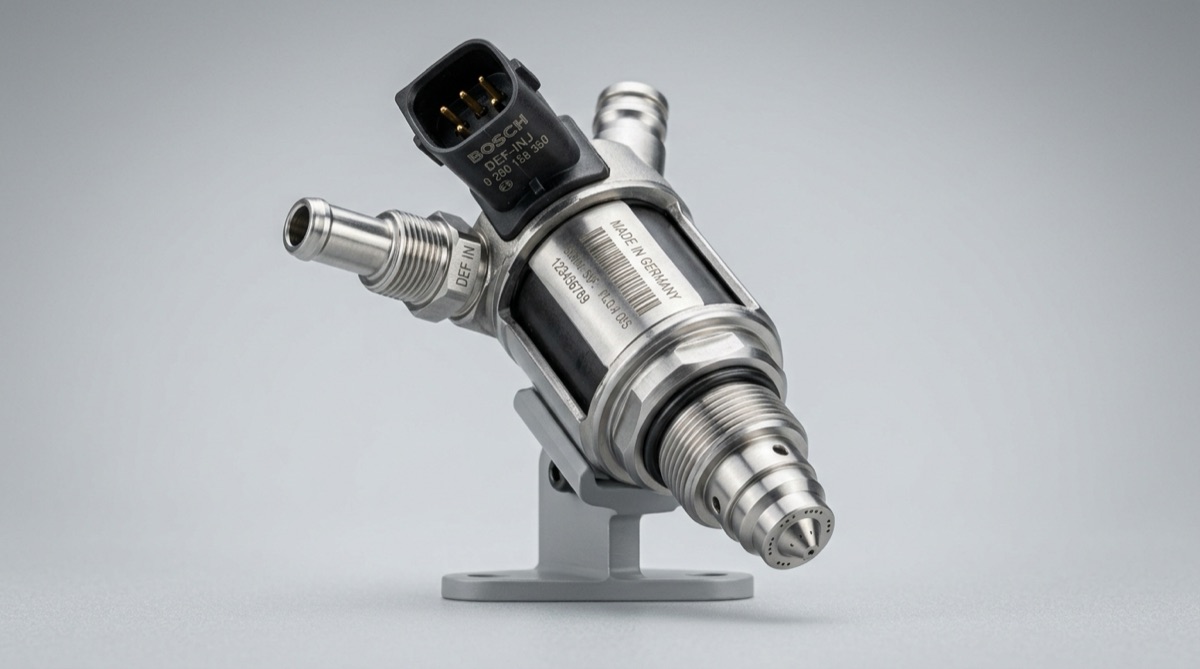
For fleet managers, diesel technicians, and owner-operators, the Selective Catalytic Reduction (SCR) system is often a source of frustration and expensive downtime. When a “DEF System Failure” light illuminates, the two most common mechanical suspects are the DEF Supply Module (the pump) and the DEF Dosing Valve (the injector). While they work together to reduce emissions, they fail in very different ways and require distinct diagnostic approaches. Misdiagnosing a pump for an injector—or vice-versa—can lead to thousands of dollars in wasted parts and labor. This guide provides a comprehensive technical breakdown to help you distinguish between a faulty DEF pump and a failing DEF injector with absolute precision.
Component Roles: Pressure vs. Precision
To diagnose these components, we must first define their engineering roles within the aftertreatment system. They are part of a high-pressure fluid delivery system that must operate in extreme temperatures.
The DEF Pump (Supply Module)
The pump’s primary job is pressure management. It must pull fluid from the DEF tank, filter it, and pressurize the delivery line to a stable setpoint (usually 5 to 9 bar, or approximately 72 to 130 PSI). Modern DEF pumps are “smart” modules; they contain the pump motor, a pressure sensor, a temperature sensor, and often a heating element. Furthermore, the pump is responsible for the “Purge Cycle”—running in reverse after engine shutdown to pull fluid out of the lines and back into the tank to prevent freezing or crystallization. If the pump cannot maintain a steady pressure, the injector cannot properly atomize the fluid.
The DEF Injector (Dosing Valve)
The injector’s primary job is metering and atomization. It does not create pressure; it simply acts as a high-speed gatekeeper. Controlled by the engine’s control module via Pulse Width Modulation (PWM), the injector opens and closes hundreds of times per minute to spray a fine mist of urea into the exhaust. Its failure modes are typically related to mechanical sticking, electrical coil failure, or spray pattern distortion due to urea buildup. A healthy injector should produce a fine, conical mist that vaporizes almost instantly upon contact with the hot exhaust stream.
Symptom Comparison: How to Tell the Difference
While both components can trigger a “Derate” or “Limp Mode,” the specific symptoms and fault codes usually point to one or the other. Technicians should look at the fault code hierarchy to determine which component is the primary failure.
| Feature | DEF Pump Failure Symptoms | DEF Injector Failure Symptoms |
|---|---|---|
| Primary Fault Codes | P204B, P204C, P20E8 (Low Pressure) | P2047, P208E, P202E (Circuit/Stuck) |
| Audible Cues | Rumbling, grinding, or complete silence from the tank area. | A lack of the characteristic “clicking” noise during a dosing test. |
| Fluid Presence | Dry delivery lines; pressure never builds or takes too long to prime. | Wet exhaust port; visible urea crystals or “stalactites” at nozzle. |
| System Behavior | Fails to prime; pressure fluctuations under load. | Pressure holds steady, but NOx reduction is poor. |
Step-by-Step Diagnostic Differentiator
Follow this professional workflow to isolate the failing component with 100% certainty. This process avoids the “parts cannon” approach and ensures a right-first-time repair.
1. The “Static Pressure” Test
Using a scan tool, command the DEF pump to run without commanding the injector to dose. This isolates the pressure-side of the system.
- The Result: The pressure should rise to the target (e.g., 90 PSI) and stay there perfectly still once reached.
- If Pressure Never Rises: The pump is failing to prime, the internal pump gears are worn, or there is a massive leak in the supply line or a clogged pickup screen.
- If Pressure Rises then Drops: The pump’s internal check valve is failing, or the injector is leaking internally (stuck open), allowing fluid to bypass the nozzle.
2. The “Dosing Quantity” Test
Once you have confirmed the pump can maintain static pressure, you must test the injector’s ability to meter fluid. Remove the injector from the exhaust pipe but leave it connected to the fluid and electrical lines. Place it in a graduated beaker and command a 60-second dosing test.
- The Result: You should see a precise volume of fluid (e.g., 85ml to 110ml, depending on the engine size and manufacturer).
- If Volume is Low: The injector is “stuck closed” or the internal nozzle filter is partially blocked.
- If Volume is Correct but Pattern is Poor: The injector’s nozzle is damaged or “coked” with carbon, which will cause efficiency codes (P218F) despite the correct volume being delivered. A good pattern is a fine mist, not a stream.
3. The “Vacuum Purge” Test
Listen to the system after the engine is turned off. You should hear the DEF pump change its pitch as it runs in reverse to purge the lines. This is a critical self-preservation step for the system.
- Failure Observation: If you find that your DEF lines are constantly freezing in winter or that your injector is always clogged with crystals despite cleaning, the pump’s reverse-flow (reverting) valve is likely faulty. This is a subtle pump failure that often manifests as a recurring injector problem.
Advanced Insights for Technicians
One “trap” that many technicians fall into is replacing the pump when the real issue is a restricted DEF filter. Always check the primary and secondary DEF filters before condemning a pump module. A clogged filter will cause the pump to work harder, leading to overheating, electrical noise on the circuit, and eventual motor failure. Furthermore, inspect the wiring for the pump for “green crust” corrosion, which can cause intermittent communication issues on the CAN bus.
Conversely, if you find that an injector is physically melted, do not simply replace it. A melted injector is a symptom of an upstream exhaust problem, such as a leaking turbocharger or a cracked DPF, which is allowing excessive heat to reach the dosing valve. You must solve the heat problem before installing a new injector, or the new one will fail in the same manner within days.
Repair Solutions and Best Practices
When a pump fails, it is almost always more cost-effective to replace the entire Supply Module rather than attempting to rebuild the internal motor or sensors, as these are rarely sold as individual service items. For injectors, always use high-quality, flow-tested replacements. Cheap, unbranded injectors often have incorrect flow rates or poor response times, which will trigger SCR efficiency codes (P218F) immediately upon installation, leading to frustrated customers and unpaid re-work.
Recommended Resources
- Internal Blog: Understanding DEF Crystallization: Causes and Cures
- Product Page: Compare Pumps and Injectors
- External Resource: ISO 22241: DEF Quality Standards
- External Resource: DieselNet – DEF Delivery Systems