The Ultimate Guide to Diesel Exhaust Fluid (DEF) Injectors
Understanding Diesel Exhaust Fluid (DEF) Injectors
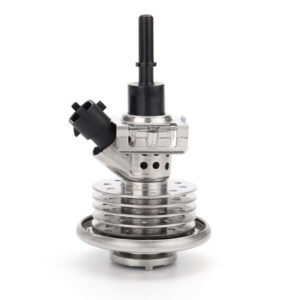
Diesel Exhaust Fluid (DEF) is a safe solution made up of 32.5% urea and 67.5% deionized water, designed specifically to lower nitrogen oxide (NOx) emissions in diesel engines. In line with strict environmental regulations, DEF injectors are essential to the Selective Catalytic Reduction (SCR) system, where they atomize and inject DEF into the exhaust system of diesel vehicles. This process converts harmful NOx gases into harmless nitrogen and water vapor, significantly reducing overall diesel emissions.
DEF injectors operate by precisely controlling the injection of DEF into the exhaust stream. This precision is crucial since the timing and amount of DEF directly affect the SCR system’s efficiency. While the engine runs, the DEF injector releases a fine mist of DEF that mixes with the hot exhaust gases. As this mixture travels through the catalytic converter, a chemical reaction occurs, breaking down the NOx. This entire operation not only meets environmental regulations but also boosts vehicle performance, leading to improved efficiency and reduced fuel consumption.
- Effective reduction of NOx emissions.
- Enhanced vehicle performance through improved combustion efficiency.
- Compliance with regulatory standards, ensuring vehicles meet environmental obligations.
Integrating DEF injectors into diesel engine systems is not merely technical; it is essential for adhering to strict emission regulations while ensuring engine longevity and performance. By grasping the critical roles of DEF injectors, fleet operators and automotive technicians can make informed decisions that align with environmental responsibilities and operational efficiency.
How to Choose the Right DEF Injector for Your Vehicle
Choosing the right Diesel Exhaust Fluid (DEF) injector is crucial for maintaining your vehicle’s emissions system’s efficiency and compliance. A poor choice could lead to suboptimal performance or even engine damage. Here are key considerations to keep in mind when making your selection:
- Vehicle Compatibility: Confirm the DEF injector is compatible with your vehicle’s make and model. Refer to your owner’s manual or contact the manufacturer for specific requirements.
- Engine Type: Different engine types (diesel, turbocharged, etc.) may require specific injector designs. Determine the specifications related to your engine configuration to ensure proper operation.
- Performance Needs: Consider the intended use of your vehicle. Heavy-duty applications may necessitate injectors capable of handling higher flow rates and pressures.
Beyond these factors, it’s vital to scrutinize the injector’s specifications closely for an informed choice:
- Flow Rate: This specification denotes the volume of DEF fluid the injector can dispense. Ensure it aligns with your engine’s combustion requirements.
- Material Quality: Durable materials enhance resistance to corrosion and prolong the injector’s lifespan.
- Brand Reputation: Choose reputable brands known for reliable performance and high customer satisfaction. Investigate reviews and seek recommendations from industry professionals.
Lastly, consider the warranty and customer service provided by the manufacturer. A robust warranty gives you peace of mind and protection against defects or premature failures. Moreover, excellent customer service fosters a trustworthy relationship, supporting any future inquiries regarding your DEF injector.
Checklist for Evaluating Key Specifications:
- Verify vehicle compatibility
- Assess engine type requirements
- Determine required flow rate
- Examine material quality and durability
- Research brand reputation and reviews
- Check warranty and customer service policies
By weighing these factors, you can confidently select the right DEF injector that meets your vehicle’s needs, ensuring optimal performance and compliance.
Comparison of Popular DEF Injectors
In the dynamic field of diesel technology, selecting the appropriate DEF injector is vital for enhancing engine performance and meeting emissions standards. To aid in this decision-making process, we present a straightforward comparison of some leading DEF injector models available today.
| Brand | Specifications | Price | Ratings |
|---|---|---|---|
| Brand A | High flow rate, corrosion-resistant, suitable for heavy-duty trucks | $299 | 4.5/5 |
| Brand B | Compact design, easy installation, compatible with most diesel models | $249 | 4.7/5 |
| Brand C | Advanced filtration system, designed for extreme temperatures | $349 | 4.6/5 |
| Brand D | Durable construction, high-pressure performance, 2-year warranty | $299 | 4.4/5 |
In this comparison, Brand A excels with its high flow rates, making it perfect for heavy-duty applications. On the other hand, Brand B is favored for its compact design, allowing easy installation in various diesel engines. For those operating under extreme conditions, Brand C’s advanced filtration system offers added reliability, though at a higher cost. Lastly, Brand D balances robust performance with a two-year warranty, making it attractive for operators seeking durability without sacrificing performance.
By understanding these key metrics—specifications, pricing, and customer ratings—you can make an informed decision that aligns with your operational needs and budget.
Maintenance and Troubleshooting Tips for DEF Injectors
Maintaining Diesel Exhaust Fluid (DEF) injectors and troubleshooting them promptly are essential for optimal performance and durability. Here are crucial practices and guidelines to help with the maintenance and common issues related to your DEF injectors.
Routine Maintenance Practices:
- Regularly assess DEF quality to ensure it meets API specifications and prevent injector clogging.
- Inspect the injector assembly for leaks or damage; promptly replace any worn or cracked components.
- Keep the DEF storage tank clean and free of contaminants to ensure fluid purity.
- Conduct periodic system diagnostics using onboard diagnostic tools to monitor injector performance.
- Adhere to the manufacturer’s recommendations for fluid changes and maintenance intervals.
Common Symptoms of Injector Failure:
- Increased exhaust emissions or failure to meet regulatory standards.
- Activation of the Check Engine light, indicating an issue with the SCR system.
- Engine performance issues, such as reduced power or responsiveness.
- Sudden drops in fuel efficiency along with increases in NOx emissions.
Step-by-Step Troubleshooting Guide:
- Begin by checking for any fault codes using a diagnostic scanner and addressing issues indicated by the codes.
- Examine the connectors and wiring harness for damage or corrosion that might lead to poor electrical connections.
- Perform a flow test on the injector to check if proper fluid delivery is taking place.
- Replace any faulty injectors identified through testing or system diagnostics.
- After repairs, clear the fault codes and run the system to ensure all components work effectively.
By following these maintenance practices and troubleshooting steps, you can enhance the performance and reliability of your DEF injectors, contributing to a more efficient emissions control system.
Frequently Asked Questions (People Also Ask)
Diesel Exhaust Fluid (DEF) injectors are vital in the selective catalytic reduction (SCR) process, ensuring diesel engines meet emissions regulations. Nevertheless, users often have questions regarding their maintenance and functionality. Here are some common inquiries answered:
- What are the signs of a failing DEF injector?Signs include reduced engine performance, activation of the check engine light, and error codes related to DEF or SCR systems. Additionally, issues like lower fuel efficiency and abnormal exhaust emissions may signal injector malfunction.
- How frequently should DEF injectors be replaced?It is recommended to replace DEF injectors based on the manufacturer’s guidelines, typically every 60,000 to 100,000 miles, or when diagnostics indicate issues. Regular inspections can help identify the need for early replacement.
- Can DEF injectors be cleaned, or must they be replaced?Though some technicians may attempt to clean DEF injectors, replacing them is generally advised if they show signs of failure. Cleaning can resolve minor blockages, but replacement ensures maximum performance and compliance with emissions standards.
- Why is DEF important for vehicle performance?DEF plays a crucial role in reducing nitrogen oxide (NOx) emissions in diesel engines. Properly functioning DEF injectors directly influence the effectiveness of the SCR system, ensuring vehicles operate efficiently and within legal emissions limits.
By comprehending these key points regarding DEF injectors, vehicle owners can make informed decisions about maintenance and repairs, ultimately improving vehicle performance and longevity.