Audi/VW 2.0L & 3.0L TDI AdBlue Injector: Cleaning and Common Faults
The transition to cleaner diesel technology has brought about significant advancements in exhaust aftertreatment. For owners of Audi and Volkswagen (VAG) vehicles equipped with the 2.0L and 3.0L TDI engines, the Selective Catalytic Reduction (SCR) system is a critical component that ensures compliance with strict emissions standards. At the heart of this system lies the AdBlue injector, also known as the dosing valve. While these systems are designed for longevity, they are not without their quirks. Understanding how the Audi AdBlue injector works, identifying common failure points, and knowing how to maintain it can save owners thousands in repair costs and prevent the dreaded “No Start” countdown.
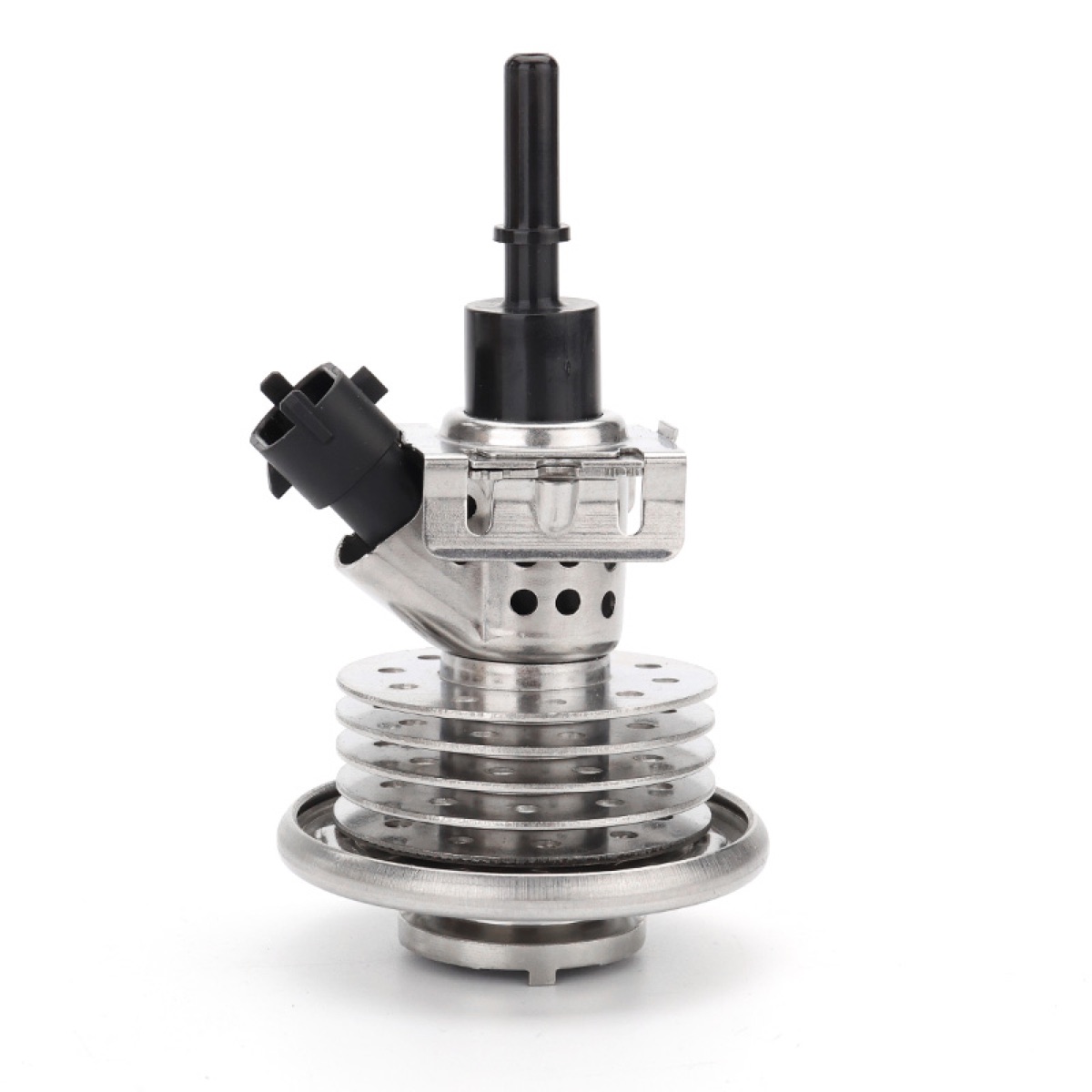
The Precision of the Audi/VW TDI AdBlue System
The SCR system in VAG vehicles is a marvel of engineering. It works by injecting a precise amount of Diesel Exhaust Fluid (DEF), commonly known as AdBlue, into the exhaust stream. When this urea-based solution meets the hot exhaust gases, it decomposes into ammonia. This ammonia then reacts with nitrogen oxides (NOx) inside the SCR catalyst, converting them into harmless nitrogen and water vapor. This process is essential for reducing the environmental footprint of diesel engines.
In the 2.0L and 3.0L TDI configurations found in models like the VW Passat, Audi Q7, and Audi A6, the system relies on a high-pressure pump, heated delivery lines, and the dosing valve itself. The VW Passat dosing valve is particularly known for its precise delivery. Because AdBlue freezes at -11°C (12°F), the entire system is equipped with heaters to ensure functionality in cold climates. The Engine Control Unit (ECU) monitors various sensors, including NOx sensors and pressure sensors, to calculate the exact timing and volume of injection. Any disruption in this precision—whether due to a mechanical clog or an electrical fault—will immediately trigger a warning light on the dashboard.
The complexity of this system means that even a minor Audi Q7 AdBlue fault can lead to significant operational issues. The vehicle’s software is programmed to prevent the engine from starting after a certain number of miles if the SCR system is non-functional. This is not a “limp mode” but a legal requirement to ensure the vehicle remains emissions-compliant.
Common Failure Points in VAG Dosing Valves
Despite the robust design of German engineering, several factors contribute to VW TDI DEF failure. The most prevalent issue is crystallization. AdBlue is 32.5% high-purity urea and 67.5% deionized water. When the engine is turned off, some fluid may remain at the tip of the injector. If the purge cycle (where the pump sucks fluid back into the tank) fails or is incomplete, the water evaporates, leaving behind hard urea crystals. Over time, these crystals build up, creating a “stalactite” that blocks the nozzle or prevents the internal solenoid from sealing correctly.
Another frequent culprit is the use of contaminated or low-quality AdBlue. The SCR catalyst is sensitive to minerals and impurities. If the fluid contains even trace amounts of minerals found in tap water, it can lead to premature failure of the injector and the expensive SCR catalyst. Owners should always use fluid that meets the ISO 22241 standard.
Electrical failures are also common, particularly in older 3.0L TDI units. The heating elements in the delivery lines or the internal heater of the injector itself can burn out. When this happens, the ECU detects an open circuit or incorrect resistance, leading to a permanent fault code. Furthermore, the Audi Q7 AdBlue fault is often linked to the transfer pump or the level sensor within the AdBlue tank, which can fail and provide incorrect data to the dosing valve.
Cleaning Your TDI AdBlue Injector: A Practical Guide
If you are facing a “Reductant Pressure Too Low” code or a general performance fault, the first and most cost-effective step is cleaning the injector. Unlike fuel injectors, the AdBlue dosing valve is relatively easy to access on most 2.0L and 3.0L TDI models. It is typically located on the exhaust downpipe, held in place by a simple metal clip or a few bolts.
Step 1: Removal
Ensure the exhaust is completely cool. Disconnect the electrical connector and the AdBlue feed line. Be careful, as a small amount of fluid may leak out. Remove the retaining clip and gently pull the injector out of its port. Inspect the port for heavy soot or crystal buildup.
Step 2: The Solvent
The best solvent for AdBlue crystals is not a harsh chemical but simple warm water. Urea is highly water-soluble. Submerge the tip of the injector in a container of warm (not boiling) distilled water. Let it soak for 15-30 minutes. You will see the white crystals begin to dissolve and flake away.
Step 3: Mechanical Cleaning
Use a soft nylon brush to gently scrub the nozzle. Do not use a wire brush or any sharp metal objects, as you can damage the precision-drilled holes in the nozzle plate. For stubborn deposits, you can use a syringe to push warm water through the inlet of the injector while it is unpowered, though this is often unnecessary if the soak is successful.
Step 4: Drying and Reinstallation
Dry the injector thoroughly. Before reinstalling, it is a good idea to clean the mating surface on the exhaust pipe. Reinsert the injector, secure the clip, and reconnect the lines. Many technicians recommend performing a “Dosing Test” via a diagnostic tool like VCDS or OBDeleven to ensure the spray pattern is uniform and the pressure is within spec.
Diagnostic Codes for Audi/VW Emissions Systems
Identifying the root cause of an Audi Q7 AdBlue fault requires a diagnostic scan. While a generic OBD-II reader might give you a basic idea, a VAG-specific tool is essential for deep-level troubleshooting. Here are the most common codes related to the dosing valve and SCR system:
P20E8: Reductant Pressure Too Low
This is arguably the most common code. It indicates that the pump is working, but the pressure sensor isn’t seeing the required 5-6 bars. This is often caused by a leak in the lines, a clogged injector, or a failing pump. Cleaning the injector is the first step in resolving this.
P204F: Reductant System Performance Bank 1
This is a “rationality” fault. The ECU has commanded a certain amount of AdBlue but hasn’t seen the expected drop in NOx levels at the downstream sensor. This could be due to a partially blocked VW Passat dosing valve or a degrading SCR catalyst.
P208A / P208B: Reductant Pump Control Circuit
These codes point toward an electrical issue with the pump itself. It could be a blown fuse, a damaged wiring harness, or an internal failure of the pump motor. In many Audi models, the pump is located inside the tank, making replacement a labor-intensive job.
P205B: Reductant Tank Temperature Sensor
Common on the 3.0L TDI, this indicates the heater or the temp sensor in the tank has failed. Because the system cannot guarantee the fluid is in a liquid state, it will disable dosing and trigger a warning light.
FAQ
How often should I clean the AdBlue injector?
There is no official maintenance interval, but for high-mileage TDI vehicles, cleaning the injector every 40,000 to 50,000 miles can prevent crystallization issues and extend the life of the pump by reducing backpressure.
Can I use water instead of AdBlue in an emergency?
No. Never put water or any other fluid into the AdBlue tank. The system is designed to detect the concentration of urea. Using water will trigger an “Incorrect Reductant Quality” fault and could damage the SCR catalyst, which costs thousands to replace.
Is the “No Start” countdown reversible?
Yes, but the underlying fault must be fixed first. Once the VW TDI DEF failure is resolved (e.g., by cleaning the injector or replacing a sensor), the countdown can be reset using a diagnostic tool. In some cases, driving the car at highway speeds for 20-30 minutes allows the system to run a self-check and reset the light automatically.
Why does my Audi Q7 keep showing an AdBlue fault after a refill?
Sometimes the level sensor gets “stuck” or the ECU needs a manual reset to recognize the new fluid level. Ensure you are using at least 2 gallons of fluid when refilling, and leave the ignition on (without starting the engine) for 30 seconds after refilling to allow the sensors to calibrate.
Maintaining the AdBlue system on your Audi or VW TDI is essential for both performance and compliance. By keeping the injector clean and using high-quality fluid, you can avoid the most common headaches associated with modern diesel ownership. If you find that your dosing valve is beyond cleaning, always opt for high-quality replacements to ensure your TDI continues to run cleanly and efficiently for years to come.
Recommended Resources and Products:
- Internal Blog: Understanding DEF Crystallization
- Related Product: Audi TDI AdBlue Injector
- External Authority: VAG Diesel Emissions Info
- Technical Reference: SCR Catalyst Chemistry