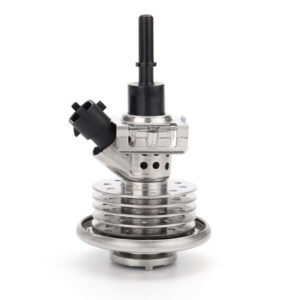
Ultimate Guide to DEF Injectors: Selection, Testing, and Maintenance
Understanding DEF Injectors and Their Functionality
Diesel Exhaust Fluid (DEF) injectors are essential components in modern diesel engine emissions control systems. These injectors are responsible for delivering DEF—a mix of urea and deionized water—into the exhaust stream. Accurately applying DEF facilitates the reduction of harmful nitrogen oxides (NOx) emissions, converting them into harmless nitrogen and water vapor via a process called Selective Catalytic Reduction (SCR).
DEF injectors are crucial to the efficiency of SCR systems. As exhaust gases flow through the SCR catalyst, DEF is injected at precise intervals according to engine management commands. This process requires meticulous timing and accuracy to ensure the correct amount of DEF is introduced into the exhaust flow, optimizing chemical reactions and ensuring emissions comply with regulatory standards.
Using DEF provides several benefits for diesel engines:
- Enhanced Compliance: Using DEF significantly reduces NOx emissions, helping diesel engines meet strict environmental regulations.
- Fuel Efficiency: DEF can enhance combustion efficiency, leading to improved fuel economy in diesel engines.
- Engine Longevity: SCR technology and DEF usage can lower engine temperatures and reduce wear, contributing to extended engine life.
In summary, DEF injectors are vital for the effective operation of SCR systems, allowing diesel engines to achieve emissions compliance while maintaining performance and efficiency. As regulations become stricter, understanding the functionality and importance of these injectors will be crucial for fleet managers and operators aiming for sustainable operations.
How to Choose the Right DEF Injector for Your Truck
Transitioning from the functionality of DEF injectors to the selection process, it’s essential to choose the right DEF injector for your truck to ensure efficient performance and compliance with emissions standards. Here’s a systematic approach for making the right choice based on various key factors:
- Compatibility with Truck Models: Verify that the DEF injector is compatible with your specific truck make and model, such as Ram, Ford, or Freightliner. Check the manufacturer’s catalog or consult your dealership to prevent potential issues.
- Durability and Performance Ratings: Seek injectors made from high-quality materials capable of withstanding extreme temperatures and pressures. Performance ratings from reputable sources can provide insight into how well the injector operates under regular use.
- User Reviews: Customer feedback is invaluable. Research online forums, product review sites, and social media to gather opinions about different DEF injectors. This will enhance your understanding of real-world performance and reliability.
- Brand Reputation: Established brands often have a history of producing reliable, effective products. Consider choosing a well-known brand that specializes in DEF systems and provides comprehensive specifications on their items.
- Warranty Options: A strong warranty offers peace of mind. Opt for injectors that come with substantial warranty periods, reflecting the manufacturer’s confidence in their product’s durability.
By considering these elements, you can develop a clearer perspective on the best DEF injector for your needs. Use this checklist to streamline your selection process and ensure optimal performance and longevity from your truck’s DEF system.
Step-by-Step Guide to Performing a DEF Injector Test
Once you’ve selected the right injector, the next step is to ensure its functionality. Testing DEF injectors is crucial for maintaining optimal engine performance and adhering to emissions regulations. Follow this step-by-step guide for accurate testing of your DEF injectors.
Tools Required:
- DEF injector tester
- Pressure gauge
- Multimeter
- Wrench set
- Safety goggles and gloves
- Cleaning cloths
Testing Process:
- Preparation: Begin by ensuring the engine is off and the vehicle is in a safe, well-ventilated area. Wear safety goggles and gloves to protect yourself from hazardous fluids.
- Accessing the Injector: Locate the DEF injector, typically situated near the diesel fuel system or exhaust system. Use appropriate tools to carefully remove any covers or components obstructing access to the injector.
- Connect the Tester: Attach the DEF injector tester as per the manufacturer’s instructions. Ensure the connections are secure to avoid errors during the test.
- Conduct the Test: Turn on the vehicle and activate the DEF injector tester. Monitor the pressure gauge readings, which should conform to the specifications provided by the manufacturer. Compare these readings against those outlined in the vehicle’s service manual.
- Check Electrical Connections: Use a multimeter to test for proper voltage at the injector connectors. Any inconsistencies may indicate electrical issues that require attention.
- Assessment: After testing, evaluate whether the injector is functioning correctly or if replacement is needed. Clean any debris from the area and reassemble components.
Safety Precautions: Always ensure the engine is cool before starting any tests. Handle DEF fluids with care, as they can be corrosive. Dispose of any waste fluid in accordance with local regulations.
By adhering to these detailed steps, you can effectively test the DEF injectors in your vehicle, ensuring both efficiency and compliance with emission standards.
Troubleshooting Common Issues with DEF Injectors
After testing the injectors, it’s critical to be aware of potential issues that may arise. DEF (Diesel Exhaust Fluid) injectors are pivotal in helping diesel engines meet emission standards. However, like any component, they can experience issues resulting in inefficiencies or failures. Recognizing the signs of a failing DEF injector, diagnosing problems, and addressing them promptly is vital for optimal performance.
Some common signs that may indicate a failing DEF injector include:
- Warning Lights: The appearance of diagnostic trouble codes (DTCs) related to the DEF system on the vehicle’s dashboard.
- Fuel Inefficiency: Reduced fuel efficiency often suggests that the injector is not functioning as intended.
- Exhaust Emissions Problems: Heightened emissions or failure to pass emission tests can indicate a malfunctioning DEF injector.
Diagnosing clogged DEF injectors necessitates careful assessment:
- Inspect for any visible blockages in the injector nozzle and surrounding areas.
- Use a diagnostic scanner to check for relevant codes that may indicate injector malfunctions.
- Perform a flow test to gauge the injector’s performance, checking for irregular spray patterns.
Electrical connection issues can also negatively affect DEF injector functionality. Here are tips to address these problems:
- Examine wiring harnesses for fraying, corrosion, or loose connections that could disrupt electrical flow.
- Test electrical components with a multimeter to ensure proper voltage reaches the injector.
- Consider cleaning connectors with an appropriate electrical contact cleaner to improve connectivity.
For quick reference, here’s a troubleshooting checklist:
- Check for warning lights.
- Evaluate fuel efficiency and emissions.
- Inspect injectors for clogs and perform flow tests.
- Examine electrical connections and test for proper voltage.
Identifying and resolving issues with DEF injectors can prevent costly repairs and ensure compliance with emissions standards. Regular maintenance and awareness of these signs will keep your diesel system operating smoothly.
Comparing DEF Injector Types and Specifications
After troubleshooting, it’s vital to understand the options available when selecting replacements or upgrades. When choosing the appropriate Diesel Exhaust Fluid (DEF) injectors, understanding the differences among the various types available is essential. The primary categories of DEF injectors are Original Equipment Manufacturer (OEM) and aftermarket. Each has its own advantages and considerations for users.
OEM DEF injectors are specifically designed for certain vehicle models, ensuring high compatibility and reliability. Conversely, aftermarket injectors often claim universal compatibility and may be priced lower, but can vary greatly in build quality and performance.
Key specifications to consider when comparing DEF injectors include:
- Flow Rates: Measured in liters per hour (L/h), flow rates dictate how much DEF can be injected into the exhaust system. Matching the injector’s flow rate with your vehicle’s requirements is critical.
- Pressure Ratings: Effective DEF injection necessitates precise pressure management. Review the operating pressure specifications to ensure they align with your engine’s design.
- Materials: The materials used in the injector’s construction, often stainless steel or high-grade plastic, impact the injector’s durability and resistance to corrosion from DEF.
Here’s a brief comparison of popular brands and models:
| Brand/Model | Type | Flow Rate (L/h) | Price | Compatibility |
|---|---|---|---|---|
| OEM Brand X | OEM | 8.0 | $200 | Specific Models |
| Aftermarket Brand Y | Aftermarket | 9.0 | $150 | Universal |
| OEM Brand Z | OEM | 7.5 | $220 | Specific Models |
In summary, while OEM injectors may entail higher costs, their proven quality often justifies the investment. Aftermarket options can significantly lower costs, but the potential compatibility risks should be carefully evaluated. A thorough understanding of injector specifications ensures optimal DEF performance in your vehicle, minimizing emissions and prolonging engine life.
Maintenance Tips for DEF Injectors
Following your understanding of injector types and specifications, focusing on the proper maintenance of Diesel Exhaust Fluid (DEF) injectors is crucial for optimal performance and longevity. Here are some best practices to follow:
- Routine Maintenance Practices: Regularly inspect and replace the DEF filter according to the manufacturer’s guidelines. This prevents contaminants from clogging the injector and maintains a steady DEF flow. Monitor the DEF level in the tank to avoid running the system dry, as this can strain the injectors.
- Cleaning Techniques and Intervals: Plan to thoroughly clean the DEF injectors every 1,500 operating hours or as recommended by the equipment manufacturer. Use a specialized cleaning solution formulated for DEF systems to eliminate any deposits or build-up. Routine flushes of the injector system can also help maintain open pathways for the DEF.
- Seasonal Checks for Optimal Functionality: Before seasonal changes, especially in colder climates, winterize the DEF system. This may involve checking insulation on lines to prevent fluid from freezing and ensuring the injectors are free from blockages. In warmer months, inspect the system for wear and tear, ensuring all seals and gaskets are intact to prevent leaks.
Maintaining a comprehensive maintenance checklist for DEF injectors can also be beneficial, which may include tasks such as:
- Monthly visual inspections
- Quarterly fluid level checks
- Bi-annual filter changes
- Annual injector cleaning
By adhering to these maintenance tips, you can ensure your DEF injectors operate efficiently, reducing downtime and prolonging the lifespan of your equipment.
Frequently Asked Questions (People Also Ask)
Finally, addressing common concerns can enhance your understanding of DEF injectors, crucial for optimal vehicle performance and compliance with emissions regulations. Below are answers to frequent questions regarding DEF injectors aimed at clarifying concerns and enhancing your knowledge.
- What are the signs of a faulty DEF injector? Common symptoms include reduced vehicle efficiency, poor acceleration, warning lights on the dashboard, and increased exhaust emissions. If you notice a decline in performance or efficiency, it may signify a problem with the DEF injector.
- How often should DEF injectors be tested? It is generally recommended to test DEF injectors every 10,000 to 15,000 miles, or at every scheduled maintenance interval. Regular testing helps identify potential issues before they lead to serious problems, ensuring optimal system performance.
- Can DEF injectors be cleaned, or do they need to be replaced? In many cases, DEF injectors can be cleaned if the deposits are manageable. However, if there is significant damage or wear, replacement might be necessary. Consult a qualified technician for a proper condition assessment.
- What causes DEF injector failure? Common causes of DEF injector failure include contamination in the DEF fluid, improper installation, thermal stress, and mechanical wear over time. Maintaining clean and proper DEF fluid quality significantly lowers the risk of injector failure.
- How do I know if my DEF injector is working? A functioning DEF injector effectively delivers fluid, resulting in smoother engine operation and lower emissions. Regular diagnostics through your vehicle’s onboard computer system can provide real-time data on the injector’s performance.