Winter DEF Care: Preventing Freezing and Crystallization in Cold Climates
Operating a modern diesel engine during harsh winter months presents a unique set of challenges, many of which involve the Selective Catalytic Reduction (SCR) system. Diesel Exhaust Fluid (DEF) is a mixture of 32.5% high-purity urea and 67.5% deionized water. While highly effective at reducing NOx emissions, this chemical composition makes DEF sensitive to extreme temperatures. For fleet managers and owner-operators in northern climates, understanding how to manage DEF in the winter is critical to avoiding downtime and expensive repairs.
The Science of DEF in Cold Weather
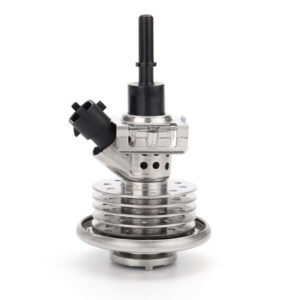
The freezing point of a standard 32.5% DEF solution is exactly 12°F (-11°C). Unlike water, which freezes at 32°F, the urea concentration in DEF acts as an antifreeze to a certain degree, but once the temperature drops below 12°F, the fluid will solidify. One of the most important characteristics of DEF is that it expands by approximately 7% when it freezes. This expansion can exert immense pressure on plastic tanks, lines, and the delicate DEF injector if the system is not properly designed or maintained.
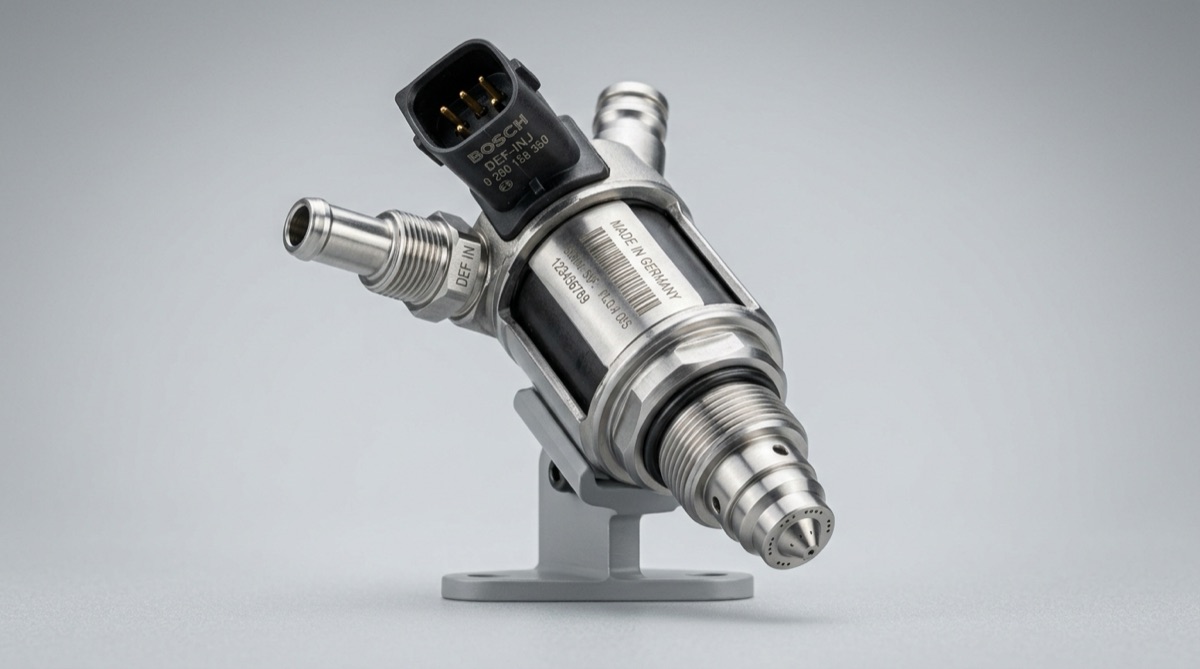 Internal heaters are the first line of defense against frozen DEF in the tank and supply lines.
How Your Vehicle Handles the Cold
Automotive engineers have built several safeguards into the SCR system to handle freezing temperatures:
- The Purge Cycle: When you turn off your diesel engine in cold weather, you may hear a buzzing sound for 30-60 seconds. This is the DEF pump reversing its flow to suck the fluid out of the lines and the injector and back into the heated tank. This “purge cycle” prevents fluid from freezing inside the narrow lines and cracking them.
- Heated Lines and Tanks: Electrical heating elements or engine coolant loops are used to thaw the DEF in the tank once the engine is started. The vehicle can actually operate for a short period without DEF dosing while the heaters do their work.
- Thaw Logic: The ECM monitors the temperature and will not attempt to pump DEF until it senses that the fluid has returned to a liquid state.
Common Winter DEF Problems
1. Crystallization at the Injector
Even if the main tank is liquid, cold air blowing across the exhaust pipe can cause small amounts of DEF to crystallize at the tip of the dosing valve (injector). These crystals can block the spray pattern, leading to SCR efficiency codes (P20EE). Regular inspection and cleaning of the injector tip with distilled water are highly recommended in winter.
2. Heater Performance Codes (P20BA/P20BE)
As discussed in our diagnostic guides, winter is the time when faulty heating elements are revealed. If a heater fails to thaw the fluid within a specific timeframe (usually 20-40 minutes), the vehicle will enter “limp mode” to ensure it doesn’t operate for an extended period without emissions control.
3. Cracked Reservoirs
If a DEF tank is overfilled to the very top, there is no room for the 7% expansion when the fluid freezes. This often results in the plastic tank cracking or the internal pump housing being crushed.
Best Practices for Winter DEF Management
To keep your fleet running smoothly throughout the winter, follow these technical recommendations:
Don’t “Top Off” in Extreme Cold
Keep your DEF tank between 25% and 90% full. Leaving a small amount of “headspace” at the top of the tank allows the fluid to expand safely if it freezes overnight. Never fill the tank to the filler neck in sub-zero temperatures.
Ensure the Purge Cycle Completes
Never disconnect the battery immediately after shutting down the engine. The DEF pump needs those extra few seconds of battery power to clear the lines. Interrupting the purge cycle is the leading cause of frozen/burst DEF lines.
Use High-Purity Fluid
Impurities in the DEF can shift the freezing point or cause “slush” to form at higher temperatures. Always use ISO 22241 certified DEF. If you buy in bulk, ensure your storage totes are kept in a temperature-controlled environment or have dedicated tank blankets.
Maintain Your Battery
The DEF heaters draw significant current (up to 20-30 amps) during the initial thaw phase. A weak battery in winter may not be able to support both the engine start and the SCR heaters, leading to low-voltage codes and system shutdowns.
Conclusion
Winter doesn’t have to mean DEF system failure. By respecting the physics of urea expansion and ensuring your vehicle’s purge and heater systems are in top condition, you can avoid the dreaded 5-mph speed limit. If you do encounter a failure, remember that crystallization is often the root cause, and a thorough cleaning or replacement of the DEF injector is the most common solution.
Recommended Resources
- Internal Resource: Understanding DEF Crystallization: Causes and Cures
- Products: View High-Quality DEF Injectors and Components
- Technical Information: SAE Paper: DEF Freezing and Thawing Dynamics
- Industry News: DieselNet: Developments in Urea Dosing Technology