Top 5 Reasons for DEF System Failure in Fleet Vehicles: A Manager’s Guide
For fleet managers, “Limp Mode” is a dirty word. When a $150,000 Class 8 truck is restricted to 5 mph because of a Diesel Exhaust Fluid (DEF) system fault, the cost is measured not just in repair bills, but in missed deliveries and lost revenue. Selective Catalytic Reduction (SCR) technology is robust, but it is also highly sensitive to environmental factors and maintenance neglect. Understanding the root causes of DEF system failure is the first step toward building a preventative maintenance program that keeps your fleet on the road. Here are the top five reasons for DEF system failure in fleet operations.
1. Fluid Contamination: The “Silent Killer”
The number one cause of SCR failure is contaminated DEF. The SCR catalyst uses rare earth metals that are easily “poisoned” by minerals and oils. Common contaminants include:
- Tap Water: Never use tap water to dilute DEF. The minerals (calcium, magnesium) will quickly clog the DEF injector and poison the SCR brick.
- Diesel Fuel: Even a few drops of diesel fuel in the DEF tank can destroy the entire system, including the pump, lines, and sensors. The seals in the DEF system are not designed for petroleum products and will swell and fail.
- Dust and Dirt: Filling the DEF tank in a dusty environment without cleaning the nozzle can introduce particulates that bypass the pump filter.
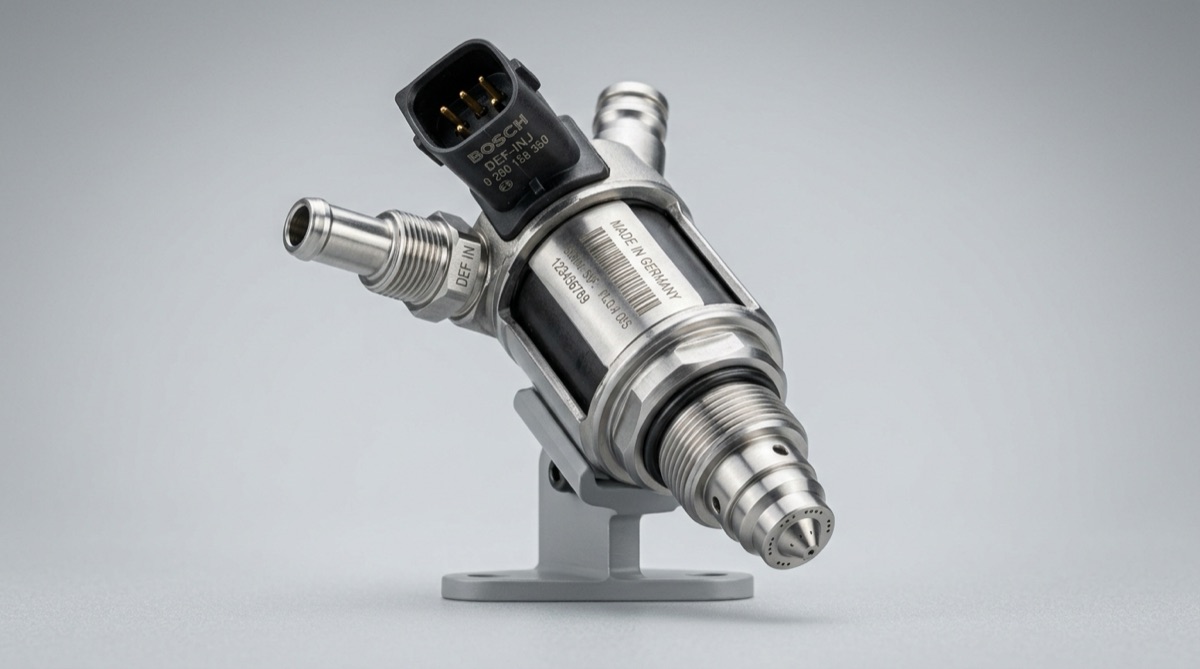
A crystallized and contaminated injector is a common sight in poorly maintained fleets.
2. Crystallization and Dosing Valve Blockage
DEF is a urea-based solution. When the water evaporates, it leaves behind solid urea crystals. If the system does not maintain the correct temperature or if the DEF injector leaks slightly, these crystals build up in the “decomposition tube” (the section of exhaust before the catalyst). Over time, this buildup acts like a “cork,” increasing exhaust backpressure and eventually triggering a system shutdown. In many cases, the injector itself becomes so encrusted that it can no longer atomize the fluid, leading to incomplete chemical reactions and NOx sensor faults.
3. Component Heater Failure
In cold climates, the DEF system relies on multiple heaters to thaw frozen fluid (which freezes at 12°F). These heating elements are subjected to constant thermal cycling and vibration. When a tank heater (P20BA) or line heater (P20BE) fails, the vehicle is legally required to enter a “derate” mode if the fluid remains frozen for more than a set period. For fleets operating in the northern US or Canada, heater failure is a seasonal epidemic that requires proactive testing before the first frost.
4. Sensor Drift and Failure (NOx and PM Sensors)
The ECM doesn’t “see” what’s happening inside the exhaust; it relies entirely on NOx sensors to measure the efficiency of the SCR system. These sensors have a limited lifespan and are susceptible to soot contamination. “Sensor drift” occurs when a sensor begins reporting slightly inaccurate data—not enough to trigger a “sensor circuit” code, but enough to make the ECM think the SCR catalyst has failed. This often leads to the unnecessary (and very expensive) replacement of the SCR catalyst when only a $500 sensor was at fault.
5. Interrupted Purge Cycles
Modern diesel systems perform a “purge” at shutdown, pumping DEF out of the lines and back into the tank to prevent freezing or crystallization in the lines. Fleet drivers are often in a hurry and may shut off the master battery disconnect switch immediately after parking. This “hard kill” of the electrical system prevents the purge cycle from completing. The result is fluid trapped in the lines, which either freezes and bursts the line or dries and clogs the injector. Driver education is the only cure for this common failure mode.
The Manager’s Strategy for Prevention
To mitigate these risks, fleet managers should implement the following:
- Strict Fueling Protocols: Use dedicated DEF containers and ensure the fill area is clean.
- Driver Training: Emphasize the importance of the 60-second “wait-to-disconnect” period after engine shutdown.
- Proactive Injector Service: Remove and clean the DEF injector every 100,000 miles (or annually) to prevent crystallization buildup.
- Quality Parts Sourcing: When a failure occurs, use high-quality replacement injectors and sensors that meet or exceed OEM specifications to avoid “re-work” costs.
Conclusion
DEF system maintenance is no longer optional for a profitable fleet. By focusing on fluid purity, driver habits, and the health of the DEF injector, managers can significantly reduce the frequency of inducement events and keep their trucks moving. In the world of modern diesel, an ounce of prevention is worth a gallon of urea.
Recommended Resources
- Internal Resource: Understanding DEF Crystallization: Causes and Cures
- Products: View High-Quality DEF Injectors and Components
- Industry Analysis: DieselNet: Technical Challenges of Urea-SCR Systems
- Regulatory Compliance: EPA Diesel Fuel and Emissions Standards