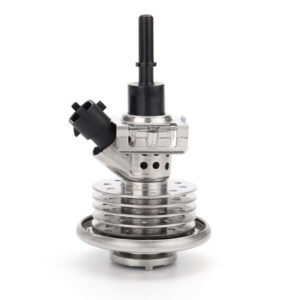
P20EE Catalyst Efficiency Below Threshold: A Comprehensive Guide to SCR Performance
Introduction to the P20EE Diagnostic Trouble Code
The P20EE code is one of the most dreaded indicators for owners of modern diesel vehicles equipped with Selective Catalytic Reduction (SCR) systems. Formally defined as “SCR NOx Catalyst Efficiency Below Threshold (Bank 1),” this code indicates that the Engine Control Module (ECM) has detected that the SCR catalyst is not effectively reducing nitrogen oxide (NOx) emissions as required by environmental regulations. For heavy-duty trucks like the Cummins-powered RAM, Duramax-equipped Silverados, or Powerstroke Fords, this code often precedes a frustrating “limp mode” or a countdown to a speed restriction.
Understanding the P20EE code requires a deep dive into how the SCR system functions. The system relies on a precise chemical reaction where Diesel Exhaust Fluid (DEF), which is 32.5% urea and 67.5% deionized water, is injected into the exhaust stream. This fluid vaporizes and decomposes into ammonia (NH3). When this ammonia enters the SCR catalyst, it reacts with NOx in the présence of oxygen to form harmless nitrogen (N2) and water vapor (H2O). If the NOx levels exiting the catalyst are too high compared to the levels entering, the ECM triggers the P20EE code.
Common Symptoms of SCR Efficiency Failure
While the most obvious symptom is the illumination of the Check Engine Light (CEL), the P20EE code rarely travels alone. Drivers often report several secondary symptoms that indicate the SCR system is struggling:
- DEF System Warning Messages: Dash displays may show “Service DEF System” or “Exhaust Fluid System See Owners Manual.”
- Engine Derate/Limp Mode: To ensure compliance with emission standards, the vehicle may limit speed to 5 mph or significantly reduce engine power after a certain mileage.
- Increased DEF Consumption: In some cases, the system attempts to over-inject DEF to compensate for perceived catalyst inefficiency.
- Noticeable Exhaust Odors: A failing SCR process can lead to an ammonia-like smell or excessive diesel exhaust odor.
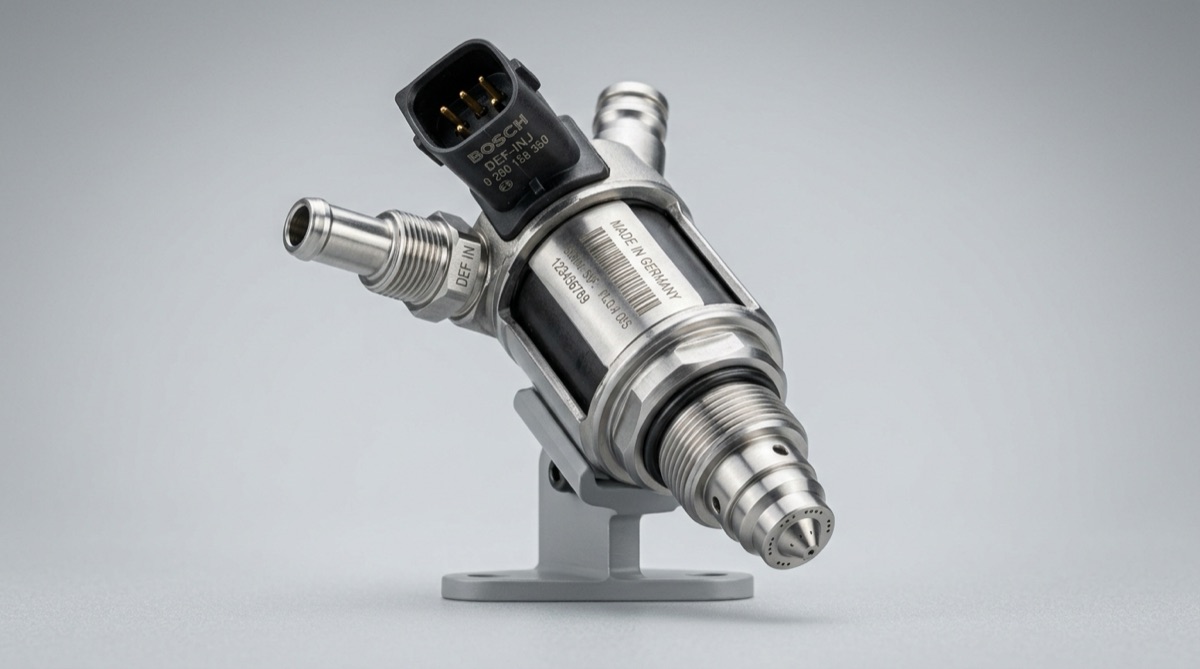
Proper maintenance of the DEF injector is critical to preventing catalyst efficiency codes.
Root Causes: Why Your SCR Catalyst is Underperforming
Diagnosing a P20EE code can be complex because it is an “efficiency” code, meaning the system is working, just not well enough. The root cause is rarely the catalyst itself unless the vehicle has extremely high mileage or has been subjected to severe contamination.
1. DEF Crystallization and Injector Blockage
One of the most frequent culprits is the buildup of urea crystals inside the DEF injector or on the “mixer” plate before the catalyst. When the injector becomes partially blocked, the spray pattern is disrupted. Instead of a fine mist that evaporates instantly, the DEF enters the exhaust as large droplets that don’t convert to ammonia effectively. This leads to localized “cold spots” on the catalyst and poor NOx conversion. For a detailed look at this phenomenon, see our guide on understanding DEF crystallization causes and cures.
2. Poor Quality Diesel Exhaust Fluid
The SCR reaction depends on a specific 32.5% concentration of urea. If the DEF is old, contaminated with water, or contains impurities like minerals from tap water, the chemical reaction will be weak. The NOx sensors will detect the failure, and the ECM will flag the P20EE code. Always ensure you are using fresh, ISO 22241 compliant fluid.
3. Faulty NOx Sensors
The SCR system uses two NOx sensors: one upstream (before the catalyst) and one downstream (after). The ECM compares these two readings to calculate efficiency. If the downstream sensor becomes “lazy” or “drifts,” it may report higher NOx levels than actually exist, leading to a false P20EE code. In many cases, replacing the downstream NOx sensor fixes the issue without needing to touch the catalyst.
4. Exhaust Leaks and Ambient Conditions
Any air entering the exhaust system before the SCR catalyst can throw off the NOx sensor readings. Oxygen from the air can trick the sensors or cool the exhaust gas below the required temperature for the SCR reaction (typically 200°C to 400°C). Furthermore, in extremely cold environments, the SCR system may struggle to maintain the internal catalyst temperature needed for peak efficiency, leading to intermittent P20EE codes that seem to disappear in warmer weather.
5. DEF Pump Pressure and Line Integrity
If the DEF pump is not maintaining the required 5-9 bar (approximately 72-130 psi) of pressure, the injector cannot properly atomize the fluid. Low pressure leads to larger droplets, poor mixing, and low ammonia conversion rates. Inspect the supply lines for kinks, leaks, or internal collapses that might restrict flow without triggering a specific pressure fault code.
Diagnostic Steps and Troubleshooting
Before rushing to replace a multi-thousand dollar SCR catalyst, follow these technical troubleshooting steps:
- Perform a DEF Quality Test: Use a refractometer to verify the urea concentration is exactly 32.5%. If it is outside the 31.8% – 33.2% range, drain and flush the tank.
- Inspect the DEF Injector: Remove the injector and check for white, crusty deposits. If found, clean the injector or replace it with a high-quality unit from our product catalog.
- Check for Software Updates: Manufacturers often release TSBs (Technical Service Bulletins) with software recalibrations that broaden the efficiency threshold to prevent “nuisance” P20EE codes.
- Force a Regeneration: Sometimes, a high-temperature stationary regeneration can “bake off” light urea deposits on the catalyst face, restoring efficiency.
For more technical details on NOx reduction chemistry, refer to the P20EE Diagnostic Portal or the latest SCR technical bulletins.
Conclusion
Solving the P20EE code requires a systematic approach. By starting with the simplest components—DEF quality and injector cleanliness—most owners can avoid the massive expense of catalyst replacement. Maintaining your emission system not only keeps you out of limp mode but also ensures your diesel engine remains as clean and efficient as the day it left the factory.