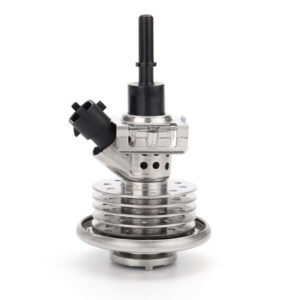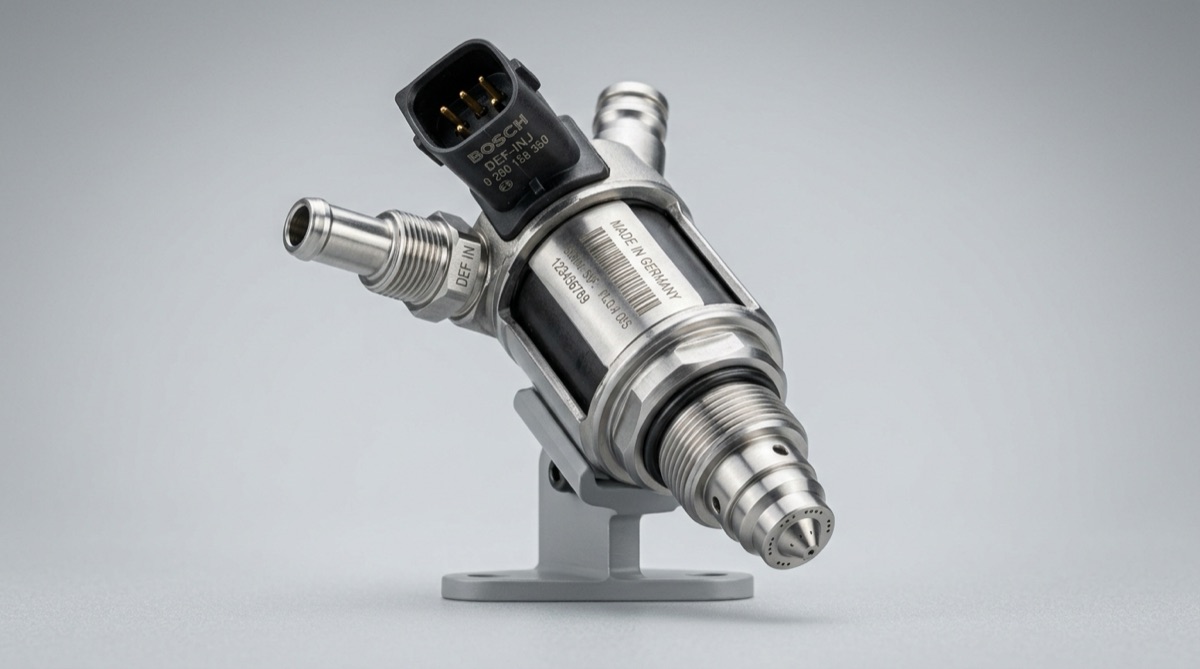
What is a DEF Quality Sensor?
In the complex world of modern diesel emissions, the Diesel Exhaust Fluid (DEF) quality sensor plays a pivotal role. As EPA and Euro standards became more stringent, manufacturers needed a way to ensure that the SCR (Selective Catalytic Reduction) system wasn’t being “cheated” with water or low-grade urea solutions. The DEF quality sensor, often integrated into the tank’s level sending unit, is the primary safeguard that monitors the chemical composition of the fluid in your tank.
Without this sensor, a vehicle could run on pure water, drastically increasing NOx emissions without the driver ever knowing. Today, if the quality sensor detects a urea concentration outside the standard 32.5%, the vehicle’s computer will trigger a “Poor DEF Quality” warning and eventually force the engine into a derated state. This system is not just about compliance; it protects the fragile catalyst from being poisoned by minerals or contaminants that can be found in tap water or other non-authorized liquids.
Technical Mechanics: How It Measures Urea
How does a sensor “know” the difference between urea and water? Most modern DEF quality sensors, such as the Quality Level Sensor (QLS), utilize ultrasonic technology. The sensor contains an ultrasonic transducer that sends sound waves through the fluid. Because the speed of sound through a liquid changes based on its density and concentration, the sensor can calculate the urea percentage with incredible accuracy.
Specifically, the sensor measures the “time of flight” for an ultrasonic pulse to travel a known distance and bounce back. At 20°C, the speed of sound in a 32.5% urea solution is distinctly different from that in pure water. High-end sensors also incorporate temperature compensation, as the viscosity and sound-speed properties of DEF fluctuate with the weather. This data is then converted into a digital signal (often via J1939 CAN bus) and sent to the Engine Control Module (ECM).
The Role of CAN Bus Communication
Modern DEF quality sensors are not simple analog devices. They are “smart” sensors that communicate via the Controller Area Network (CAN). This means the sensor has its own internal microprocessor that processes the raw ultrasonic data before sending a digital message to the vehicle’s main computer. If the CAN wiring is damaged—due to road salt or vibration—the ECM might report a “Missing Message” or “Bus Off” error, which is often misdiagnosed as a bad sensor. Always check the continuity of the yellow and green CAN wires at the sensor plug before condemning the hardware.
Ultrasonic Time-of-Flight vs. Dielectric Measurement
While ultrasonic sensing is the gold standard, some early or budget-oriented systems used dielectric measurement, which relies on the electrical conductivity of the fluid. However, because urea is non-conductive and only the impurities in the water conduct electricity, these sensors were notoriously inaccurate. Modern ultrasonic QLS (Quality Level Sensors) are far superior because they measure a physical property (density) rather than an electrical one. This allows them to detect even subtle dilutions that would bypass older sensor technology. Understanding this distinction is crucial when sourcing replacement parts, as high-quality ultrasonic sensors are required for modern compliance.
The relationship between the quality sensor and the injector is vital for emission compliance.Why DEF Quality Sensors Fail
Despite their importance, these sensors are notorious for being a high-failure item in many heavy-duty trucks and passenger diesel cars. Several factors contribute to their demise:
1. Contamination and “Cooking”
The sensor is submerged in DEF, which is essentially a salt solution. Over time, heat from the engine or the exhaust system can cause the DEF in the tank to “cook.” If the tank’s coolant control valve fails and stays open, engine coolant (at 200°F) will circulate through the tank indefinitely, breaking down the urea and coating the sensor in a thick film of scale and deposits. This interferes with the ultrasonic signal, leading to “implausible signal” codes.
2. Internal Circuit Board Failure
The QLS units contain sensitive electronics sealed within a plastic or stainless steel housing. Thermal cycling—the constant heating and cooling of the tank—can cause microscopic cracks in the solder joints of the sensor’s circuit board. This is especially common in climates with extreme temperature swings. For more on how temperature affects the fluid itself, read our article on DEF crystallization causes and cures.
3. Fluid Contamination and Chemical Degradation
Even a tiny amount of oil, diesel fuel, or incorrect fluid (like windshield washer fluid) can destroy the sensor. Oil coats the ultrasonic transducer, preventing it from sending or receiving pulses. Once contaminated, these sensors are almost impossible to clean and must be replaced. Furthermore, it’s a common misconception that DEF lasts forever. In reality, the urea concentration can naturally degrade over time, especially when exposed to direct sunlight or temperatures above 86°F. As the urea breaks down into ammonia gas, the density of the fluid changes. The quality sensor is sensitive enough to detect this microscopic shift. If your vehicle has been sitting for several months, the sensor might trigger a “Poor Quality” code not because of contamination, but because the fluid has reached its chemical expiration date. Always check the production date code on the DEF jug before refilling.
Symptoms of a Faulty Sensor
When the quality sensor goes bad, it rarely gives a subtle hint. Common signs include:
- DTC P20AD or P20B9: Specific fault codes relating to the reductant quality sensor circuit.
- False “Low DEF” Warnings: Since the quality and level sensors are often one unit, a failure in one affects the other.
- Immediate Limp Mode: Some systems are programmed to assume the worst if the sensor signal is lost, immediately initiating a 5 mph speed limit.
If you are experiencing these issues, you may need a replacement unit. You can find high-quality aftermarket and OEM-spec sensors in our products section.
Expert Maintenance Tips
To extend the life of your DEF quality sensor, follow these professional recommendations:
- Keep the Tank Full: A full tank reduces the amount of “sloshing” and air exposure, which can help prevent crystallization on the sensor head.
- Use Only Sealed DEF Containers: Avoid bulk pumps at high-traffic truck stops if possible, as they are more prone to contamination.
- Monitor Your Coolant Valve: If you notice your DEF tank feels unusually hot to the touch, your coolant control valve may be stuck, which will eventually kill the sensor.
- Check Production Dates: Urea starts to degrade after 12 months in ideal conditions, and much faster in the heat of a vehicle’s tank. If your truck has been in storage, drain and refill the DEF system.
For more technical resources, check out the KUS Sensor Technical Guide or the Kenworth Tech Minute on DEF Sensors.
Conclusion
The DEF quality sensor is a sophisticated piece of technology designed to keep our air clean, but its vulnerability to heat and contamination makes it a frequent headache for diesel owners. Understanding how it works is the first step in diagnosing a failing system and ensuring your vehicle stays on the road and out of the shop. By maintaining fluid quality and monitoring system temperatures, you can significantly extend the life of this critical emission component.