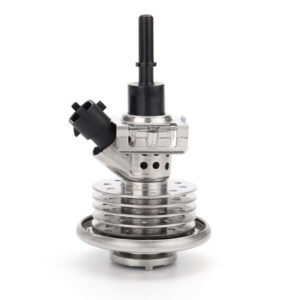
Troubleshooting the SCR Heater Circuit: Understanding P205B, P205C, and P205D
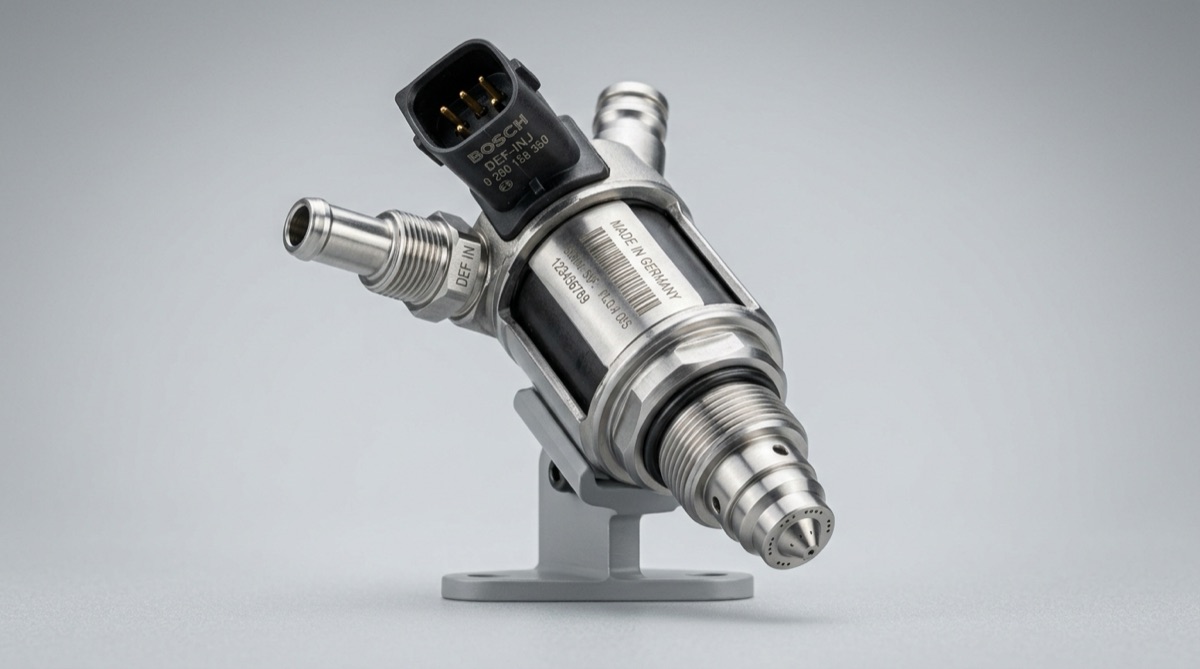
The Critical Role of the DEF Heater
Selective Catalytic Reduction (SCR) systems rely on Diesel Exhaust Fluid (DEF) to neutralize harmful NOx emissions. However, DEF has a major physical limitation: it freezes at 12°F (-11°C). In cold climates, a frozen DEF tank would render the emission system useless and could potentially damage the pump and lines as the fluid expands. To combat this, every modern diesel vehicle is equipped with an SCR Heater Circuit.
This circuit consists of several heating elements located in the DEF tank, the supply lines, and the injector itself. When the ambient temperature drops, the Engine Control Module (ECM) activates these heaters to thaw the fluid. When this system fails, the ECM triggers a specific set of fault codes—P205B, P205C, or P205D—often leading to a “Service DEF” warning and a countdown to limp mode. This is particularly problematic in northern states and Canada, where temperatures regularly drop below the freezing point of the urea solution.
Decoding the Fault Codes
When diagnosing SCR heater issues, the specific code tells you a lot about the nature of the electrical failure. These codes are part of the OBD-II standard but can have manufacturer-specific definitions that add extra detail:
- P205B: Reductant Tank Temperature Sensor Circuit Range/Performance. This indicates the sensor is sending a signal that doesn’t make sense (e.g., reporting 100°F when it’s freezing outside). This often happens when the internal resistor in the sensor starts to fail due to moisture ingress.
- P205C: Reductant Tank Temperature Sensor Circuit Low. This usually points to a short to ground or a sensor that has failed in a “cold” state, sending a zero-voltage signal to the ECM.
- P205D: Reductant Tank Temperature Sensor Circuit High. This often indicates an open circuit (broken wire) or a sensor failed in a “hot” state. The ECM sees a constant 5V signal and assumes the circuit is broken.
Note that while these codes mention the “temperature sensor,” the sensor is often physically integrated into the heater element assembly. In many vehicles, such as the VW Passat, Mercedes Sprinter, or Ford Powerstroke, you cannot replace the sensor alone; the entire heater module must be swapped. This makes the repair significantly more expensive than a simple sensor replacement.
Internal heater elements are the most common failure point in DEF tanks.
Why Do SCR Heaters Fail?
The environment inside a DEF tank is incredibly harsh. The constant exposure to a corrosive urea solution, combined with extreme temperature fluctuations, leads to several common failure modes. It’s important to note that the heater is often integrated with the level and quality sensors, meaning a physical failure in the heater can sometimes cause “ghost” codes in the other sensors due to electrical interference.
1. Corrosion of Heating Filaments
The heating elements are essentially resistors. Over time, the plastic housing can develop microscopic leaks, allowing DEF to seep in and corrode the metal filaments. Once the circuit is broken, the resistance goes to infinity, triggering a P205D code. This is particularly common in older vehicles where the plastic seals have become brittle.
2. Wiring Harness Issues
The DEF tank is usually mounted underneath the vehicle, exposed to road salt, mud, and debris. The wiring harness and connectors are prone to “green crust” corrosion. A single pin with poor contact can cause the ECM to see “implausible” voltage, resulting in a P205B performance code. Always check the connector at the tank for signs of moisture before condemning the heater assembly.
3. Internal “Crystallization” Damage
If the heater fails and the fluid is allowed to freeze and thaw repeatedly, the expansion of the ice can physically crack the heater housing or the temperature sensor bulb. This is why many owners see these codes appearing for the first time during the first cold snap of winter. To understand more about the chemistry behind this, see our article on DEF crystallization causes and cures.
4. The Impact of Frozen DEF on Pump Longevity
When the SCR heater circuit fails, it’s not just the emissions that suffer; the physical pump is at risk. If the ECM commands the pump to prime while the fluid in the lines is still frozen, the resulting backpressure can blow out the internal seals of the pump or crack the plastic housing. This is why many vehicles will enter a “No Start” condition if the heater is not working—it is a protective measure to prevent the destruction of the more expensive DEF pump.
Professional Diagnostic Procedure
If you’re facing heater codes, follow these steps before buying expensive parts:
- Check Resistance (Ohms): Use a multimeter at the tank connector to check the resistance of the heater element. Check your service manual for specs (usually 2-5 Ohms). If it shows “O.L” (Open Loop), the heater is dead.
- Verify Power and Ground: Use a test light or voltmeter to ensure the ECM is actually sending 12V to the heater when the engine is cold. Note that some systems only pulse the power (PWM), so a digital multimeter might show a fluctuating voltage.
- Inspect the Pins: Disconnect the main DEF tank harness and look for bent pins or blue/green corrosion. Clean with electrical contact cleaner and apply dielectric grease to the seal.
- Software Logic and Thaw Time Constraints: The ECM doesn’t expect the DEF to thaw instantly. There is a programmed “thaw time” based on the ambient temperature. For example, at 0°F, the system might allow up to 60 minutes for the heater to liquify enough fluid to start injection. If the temperature sensor fails to show a rising trend during this window, the ECM assumes the heater is broken. Understanding this software logic helps in diagnosing intermittent codes that only haunt the vehicle in deep winter.
If the heater is confirmed dead, you can find OEM-quality replacement heater modules and injectors in our products catalog.
Summary of Repair Options
For some vehicles, manufacturers have issued recalls or extended warranties due to high heater failure rates. For example, Volkswagen and Mercedes have had numerous TSBs regarding these components. If you are out of warranty, you might consider an aftermarket heater kit, which can sometimes be installed into the existing tank at a fraction of the cost of an OEM unit. For more community-driven advice, see the TDIClub AdBlue Heater Thread or the official NHTSA Technical Bulletin for SCR heater failures.
Conclusion
An SCR heater failure is more than just a nuisance—it’s a countdown to a non-starting vehicle. While the codes P205B, P205C, and P205D can be intimidating, a systematic electrical check will quickly reveal whether the problem lies in the wiring or the heater itself. Don’t let the winter freeze sideline your diesel; stay ahead of the curve with proper maintenance and high-quality parts. By acting early, you can protect your DEF pump and avoid the high costs of a complete system overhaul.