Complete Guide to Diagnosing, Maintaining, and Replacing DEF Components in Your 906 Sprinter
Understanding the DEF System in Your 906 Sprinter
Diesel Exhaust Fluid (DEF) is an essential element of your 906 Sprinter’s emissions control system, engineered to minimize harmful nitrogen oxide (NOx) emissions from the vehicle’s exhaust. Comprising 32.5% urea and 67.5% deionized water, DEF is injected into the exhaust stream, where it transforms NOx into harmless nitrogen and water vapor through a process known as selective catalytic reduction (SCR).
The DEF system consists of several critical components:
- DEF Tank: A reservoir designed to hold DEF until it is needed for injection, typically constructed from a durable material that can resist the corrosive nature of the fluid.
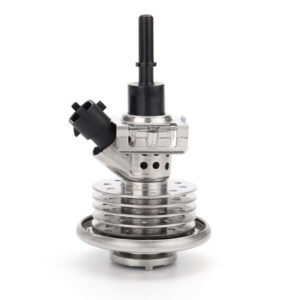
- DEF Injector: Vital for precise delivery, the injector releases DEF into the exhaust system at the optimal time, enhancing the effectiveness of the SCR process.
- DEF Pump: This component provides the necessary supply of DEF to the injector, ensuring proper pressure and flow.
- Level Sensor: A device that monitors DEF levels in the tank and alerts the driver when fluid levels are low.
Insufficient DEF levels can lead to heightened emissions and engine performance issues, as the SCR system depends on a steady supply of fluid for effective operation. Furthermore, a well-maintained DEF system plays a crucial role in enhancing vehicle efficiency. By decreasing NOx emissions, DEF helps your Sprinter adhere to strict environmental regulations, fostering cleaner air and compliance with local laws.
In summary, understanding and maintaining the DEF system not only promotes the longevity of your vehicle but also improves its performance while minimizing its environmental footprint.
Common Symptoms of DEF System Issues
Given the DEF system’s pivotal role in reducing harmful emissions in your 906 Sprinter, early recognition of potential DEF system problems can prevent costly repairs and ensure adherence to environmental standards. Watch for these common indicators:
- Warning Lights: One of the first signs of DEF system issues is the illumination of warning lights on the dashboard. Look for the yellow or red DEF warning light, indicating potential problems with DEF quality, levels, or components.
- Decreased Engine Performance: A noticeable drop in power or acceleration may signify a malfunctioning DEF system. The vehicle’s performance can deteriorate if the system cannot inject the required amount of DEF into the exhaust.
- Low DEF Levels: It is crucial to monitor DEF levels. If your vehicle displays a low DEF warning message, it signals that the DEF tank requires refilling or that there might be a leak or blockage within the system.
- Exhaust Odor: A strong ammonia odor could indicate a problem within the DEF system, potentially related to improper DEF mixture or a malfunctioning component that requires attention.
- Diagnostic Trouble Codes (DTCs): An OBD-II scanner can reveal specific DTCs associated with the DEF system. Common codes include P20E8 (DEF Pressure Too Low) and P203F (DEF Quality Incorrect), providing insight into the underlying issue and guiding your diagnostic approach.
By being attentive to these symptoms, you can proactively address DEF system problems and ensure your 906 Sprinter functions optimally.
Step-by-Step Guide to Diagnosing DEF Issues
Effectively diagnosing issues within the Diesel Exhaust Fluid (DEF) system of your 906 Sprinter can significantly enhance vehicle performance and compliance with emissions regulations. Follow this step-by-step guide for accurate problem identification.
Tools Required for Diagnosis:
- OBD-II Scanner: To read fault codes from the engine control unit.
- Multimeter: For checking electrical connections and assessing voltages.
- Torque Wrench: To ensure proper installation during reassembly.
- Flashlight: For improved visibility during component inspection.
Visual Inspection Techniques:
- Inspect the DEF tank for visible leaks or cracks.
- Check the DEF lines for signs of wear, kinks, or blockages.
- Examine the DEF injector and nozzle for cracks, corrosion, or clogs.
- Ensure that all electrical connections to the DEF components are secure and free from corrosion.
Common Troubleshooting Steps:
- Confirm that the DEF tank is filled with the correct fluid, as contamination can cause performance issues.
- Utilize an OBD-II scanner to retrieve any diagnostic trouble codes (DTCs) linked to the DEF system.
- Follow manufacturer guidelines for resetting the system post-repairs or part replacements.
- If fault codes persist, check the vehicle’s software version for possible updates.
Adhering to this structured diagnostic approach will enable you to effectively identify and resolve DEF system issues, ensuring your 906 Sprinter operates efficiently and complies with environmental regulations.
How to Replace the DEF Injector
Maintaining your 906 Sprinter includes replacing a malfunctioning DEF (Diesel Exhaust Fluid) injector, which is vital for ensuring optimal engine performance and meeting emissions regulations. Follow these detailed instructions for a successful replacement.
Tools and Equipment Required:
- Socket set with ratchet
- Torque wrench
- Screwdriver set
- New DEF injector
- Shop towel or rags
- Safety goggles and gloves
Step-by-Step Instructions:
- Preparation: Park your vehicle on a level surface with the engine off. Disconnect the battery to avoid electrical shorts.
- Access the DEF Injector: Locate the DEF injector, typically mounted on the exhaust system. Remove any covers or shields that obstruct access.
- Disconnect the Injector: Carefully unplug the electrical connector from the DEF injector. Use a screwdriver if needed.
- Remove the DEF Injector: Use the socket set to unbolt the DEF injector from its mounting. Collect any sealing washers that may fall during this process.
- Install the New Injector: Position the new DEF injector in place, ensuring proper alignment. Secure it with bolts, tightening them to the manufacturer’s specified torque with your torque wrench.
- Reconnect the Electrical Connector: Securely plug the electrical connector back into the new injector, ensuring it clicks in place.
- Reassemble Vehicle Parts: Replace any removed covers or shields and verify that everything is securely fastened.
- Reconnect the Battery: Reconnect the battery, ensuring all connections are tight and secure.
Safety Precautions:
- Always wear safety goggles and gloves to protect against chemical exposure and sharp edges.
- Allow the vehicle to cool down before beginning the replacement process to prevent burns.
- Dispose of old components and fluids according to local regulations.
By following these steps, you can efficiently replace the DEF injector in your 906 Sprinter, enhancing the vehicle’s longevity and efficiency.
Buying Guide for DEF Components
Choosing the right Diesel Exhaust Fluid (DEF) components, such as injectors and tanks, is critical for maintaining the optimal function of your 906 Sprinter. Consider these key factors when making a purchase:
- Compatibility: Ensure that the DEF components you select are compatible with your specific model year and engine configuration. Consult your vehicle’s manual or a professional to confirm necessary specifications.
- Cost: While budget considerations matter, it’s essential to balance cost with quality. Inexpensive parts may lead to failures, requiring further repairs and ultimately increasing overall costs.
When shopping for DEF injectors and tanks, you’ll typically encounter two main categories: OEM (Original Equipment Manufacturer) parts and aftermarket parts. Each option has its advantages and disadvantages:
- OEM Parts: Manufactured by the original maker, these components usually guarantee compatibility and reliability but tend to be pricier.
- Aftermarket Parts: Produced by third-party manufacturers, these usually come at a lower cost. While many aftermarket options can be of excellent quality, variability in performance and durability exists, making thorough research crucial.
To facilitate your selection process, consider these reputable brands for DEF components:
- Bosch: Renowned for exceptional engineering and reliability.
- AC Delco: Offers a variety of resilient DEF components.
- Dinex: Specializes in emission control and DEF systems, providing dependable aftermarket choices.
For your decision-making, refer to the comparison table below, which highlights key options for DEF injectors.
| Brand | Type | Price Range | Warranty |
|---|---|---|---|
| Bosch | OEM | $150-$200 | 2 years |
| AC Delco | OEM | $120-$180 | 1 year |
| Dinex | Aftermarket | $80-$140 | 1 year |
By taking these aspects into consideration, you can make an informed choice when purchasing DEF components, ensuring the longevity and efficiency of your 906 Sprinter.
Maintenance Tips for the DEF System
- Regular Inspections: Schedule routine checks of the DEF injector and tank. Look for leaks, corrosion, or buildup, and regularly inspect DEF lines and connectors to prevent costly repairs and downtime.
- High-Quality DEF: Always utilize high-quality DEF from reputable suppliers. Poor-quality DEF can introduce impurities that may clog the injector or damage the system. Search for the API certification label to ensure compliance with required standards.
- Proper Refilling Techniques: When topping off the DEF tank, avoid overfilling and take care not to introduce contaminants from the nozzle. Clean the tank neck and dispenser nozzle before filling to prevent dirt from entering the system.
- Monitor DEF Levels: Regularly check DEF levels. Your vehicle’s dashboard will alert you if DEF is low. If levels are low, refill promptly to maintain engine performance and minimize potential fault codes.
By following these maintenance strategies, you can extend the lifespan of your DEF system and guarantee that your Sprinter operates efficiently. Here’s a quick reference checklist for DEF maintenance:
- Inspect DEF injector and tank every 3 months.
- Refill DEF when levels drop below 1/4 tank.
- Use only certified DEF to avoid complications.
- Check for leaks and damage during regular inspections.
Implementing these steps will help you maintain the integrity of your Sprinter’s DEF system, ensuring compliance with emission standards while maximizing performance.
Frequently Asked Questions (People Also Ask)
Understanding the Diesel Exhaust Fluid (DEF) system is vital for maintaining your 906 Sprinter’s performance and efficiency. Here, we answer some common questions regarding DEF components.
- What are the signs of a failing DEF injector?
Common symptoms include decreased fuel efficiency, engine performance issues, and warning lights on the dashboard. You may also notice excessive exhaust emissions or starting difficulties, which could indicate potential injector failure. - How does replacing the DEF injector affect vehicle performance?
Replacing a faulty DEF injector can greatly improve vehicle performance. A new injector ensures the proper amount of DEF is injected into the exhaust system, aiding in the reduction of harmful emissions and maintaining optimal engine function. - Can I perform the injector replacement myself or should I hire a professional?
While some experienced vehicle owners may attempt a DIY approach, we recommend hiring a professional. The process requires specific tools and technical knowledge to ensure the injector is installed correctly and safely. - How often should DEF be replaced?
DEF does not have a strict replacement schedule, but it is generally advisable to check levels regularly, typically every 5,000 to 10,000 miles or as indicated by the vehicle’s onboard computer. Always ensure DEF is within the manufacturer’s recommended levels. - What happens if DEF levels are not maintained?
Failing to maintain DEF levels may lead to decreased engine performance, increased emissions, and, in some cases, activation of the engine’s limp mode. This negligence can ultimately result in more expensive repairs and damage to the vehicle’s exhaust system.