Ultimate Guide to Replacing and Maintaining DEF Dosing Systems
Understanding DEF Dosing Systems
Diesel Exhaust Fluid (DEF) dosing systems are vital components in contemporary diesel vehicles, specifically engineered to mitigate harmful emissions. These systems inject a precisely calibrated amount of DEF into the exhaust stream, where it reacts with harmful nitrogen oxides (NOx) and transforms them into innocuous nitrogen and water vapor. By ensuring adherence to stringent emission regulations, DEF dosing systems significantly contribute to addressing environmental challenges and improving air quality.
The significance of DEF dosing systems is immense. With global regulations tightening around emissions, diesel engines must adopt advanced technologies to meet these standards. DEF itself is a non-toxic blend of urea and deionized water, and its correct application through a dosing system is crucial for ensuring the optimal operation of Selective Catalytic Reduction (SCR) systems. This not only helps in complying with legal standards but also enhances fuel efficiency and reduces maintenance costs over time.
A typical DEF dosing system includes several essential components:
- DEF Tank: Stores the DEF solution, usually constructed from high-density polyethylene to prevent degradation from UV exposure.
- Pump: Facilitates the movement of DEF from the tank to the injector, typically using a diaphragm mechanism for effective transfer.
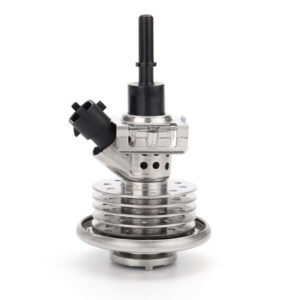
- Injector: Atomizes the DEF into a fine spray to ensure optimal mixing with exhaust gases for effective chemical reaction.
- Sensors and Control Module: Monitor fluid levels, injection rates, and overall system performance, guaranteeing precise dosing and operation.
These components operate together to manage and regulate DEF delivery, thereby enhancing both performance and emission reduction. A solid understanding of how these systems work is essential for effective maintenance and timely replacement, ensuring the longevity of both the dosing system and the overall vehicle.
Step-by-Step Guide to Replacing the DEF Dosing System
Replacing the DEF dosing system is crucial for maintaining optimal vehicle performance and compliance with emission regulations. Follow this comprehensive guide to carry out the replacement efficiently and safely.
Necessary Tools and Materials:
- Socket set
- Wrenches
- DEF dosing unit replacement
- Sealing tape
- Container for old DEF
- Safety gloves
- Safety goggles
- Shop towels
Step-by-Step Instructions:
- Preparation: Ensure the engine is off and cool. Disconnect the battery to safeguard against electrical issues. Gather all necessary tools and materials.
- Drain the DEF: Use a container to drain any residual DEF from the system to prevent spills.
- Remove the old dosing unit: Locate the DEF dosing unit, typically found near the diesel tank. Use your socket set and wrenches to carefully unscrew and detach the unit.
- Inspect connections: Check hoses and connectors for any signs of wear or damage. Replace components as needed to ensure a reliable seal.
- Install the new dosing unit: Position the new DEF dosing unit, ensuring that all connectors align properly. Secure it with bolts, using sealing tape on threads if required.
- Reconnect the system: Reattach hoses or electrical connectors securely. Double-check all connections to avoid leaks or malfunctions.
- Refill DEF: Refill the system with fresh DEF, ensuring there are no air bubbles in the line.
- Test the system: Reconnect the battery, start the engine, and monitor the system for any leaks or warning lights.
Common Pitfalls to Avoid:
- Failing to drain the DEF properly before commencing.
- Neglecting to replace damaged hoses or connections.
- Overlooking checks for leaks following installation.
Safety Measures:
- Always wear safety gloves and goggles when handling DEF fluids.
- Work in a well-ventilated area to prevent inhaling vapors.
- Adhere to all manufacturer instructions and local regulations.
By adhering to these steps and guidelines, you can successfully replace your DEF dosing system, ensuring your vehicle remains efficient and compliant.
Troubleshooting Common DEF Dosing System Issues
Diagnosing and resolving issues with your Diesel Exhaust Fluid (DEF) dosing system is imperative for maintaining optimal performance and compliance with emissions standards. Recognizing common signs of failure can help avert more significant problems in the future.
Common indicators of a malfunctioning DEF dosing system include:
- Warning lights on the dashboard.
- Decreased engine performance.
- Frequent refilling of the DEF tank.
- Visible leaks or pooling of DEF around the dosing unit.
To methodically address these issues, follow this troubleshooting guide:
- Check for Codes: Utilize a diagnostic tool to retrieve any error codes from the engine control unit (ECU).
- Inspect Connections: Examine the wiring and connectors related to the DEF dosing unit for signs of damage or corrosion.
- Assess the DEF Quality: Ensure that the DEF is clean and has not expired, as poor-quality fluid can lead to dosing failures.
- Test the Dosing Pump: Activate the pump to confirm it is operational; lack of fluid flow may indicate a blockage or pump failure.
- Examine the Injector: Check the injector for clogs or damage. Clean or replace it as necessary.
If persistent issues occur despite following these steps, consider the following symptoms that may suggest the need for replacement:
- The system frequently malfunctions after repairs.
- High costs from ongoing troubleshooting.
- Physical damage to the dosing module or reservoir.
Being proactive in evaluating your DEF dosing system can help extend its lifespan and ensure compliance with emission regulations. Regular maintenance and prompt troubleshooting will not only enhance performance but also offer peace of mind.
Comparing DEF Dosing Systems and Components
When contemplating the replacement or upkeep of DEF dosing systems, comprehending the various available options is essential. The right choice can substantially influence performance, efficiency, and overall vehicle operation.
Determining the best DEF dosing system necessitates a careful comparison of features, performance metrics, and price points. Here are some top-rated dosing systems:
- OEM Systems: Specifically designed for certain vehicle makes and models, OEM systems often deliver superior compatibility and reliability. Prices tend to be higher due to brand assurance.
- Aftermarket Systems: Typically more budget-friendly, aftermarket systems might provide a range of features not found in OEM options, but ensure compatibility with your vehicle is verified.
Below is a brief overview comparing the prominent systems available:
| System Type | Features | Price Range | Vehicle Compatibility |
|---|---|---|---|
| OEM Dosing System | Max performance, high reliability | $500 – $1,200 | Specific to vehicle make |
| Aftermarket Dosing System A | Cost-effective, versatile | $300 – $800 | Multiple brands |
| Aftermarket Dosing System B | Enhanced features, warranty | $400 – $900 | Wide compatibility |
Selecting a DEF dosing system requires consideration of the vehicle type. Heavy-duty trucks, light-duty vehicles, and off-road equipment may necessitate unique systems tailored to their performance demands. User reviews frequently emphasize the significance of reliable operation and the system’s ability to respond effectively to varying driving conditions. Researching testimonials can provide valuable insights into long-term reliability and customer satisfaction, significantly influencing your decision.
In the end, both OEM and aftermarket alternatives offer distinct advantages, and identifying the appropriate system will largely depend on your specific requirements, vehicle type, and budget.
Buying Guide for DEF Dosing Systems
When selecting a DEF (Diesel Exhaust Fluid) dosing system, it is vital to consider several key factors that can greatly affect the efficiency and durability of the system. Understanding these aspects ensures that you make an informed purchase tailored to your vehicle’s specific needs.
- Compatibility: Confirm that the dosing system is compatible with your vehicle’s make and model. Verify specifications against the manufacturer’s recommendations.
- Flow Rate: Assess the flow rate required for your applications. A system with an adjustable flow rate can enhance performance across varying operational conditions.
- Quality and Durability: Look for systems made from high-quality materials that resist temperature extremes and corrosion, ensuring long-term reliability.
- Ease of Installation: Evaluate if the system includes clear installation instructions and whether standard tools suffice or if specialized equipment is necessary.
- Maintenance Requirements: Opt for dosing systems that simplify maintenance. Systems designed for user-friendly access for cleaning and repairs will save time and costs over time.
When assessing features, consider if the system includes advanced functionalities such as self-diagnostics, real-time monitoring, or integration capabilities with existing vehicle systems. These can enhance efficiency and usability.
Price ranges for DEF dosing systems can vary widely based on features and brand. Basic models may start around $100, while more advanced systems can exceed $1,000. Consider reputable brands such as Bosch, Cummins, and Denso, known for their reliability and market performance.
Essential Purchasing Checklist:
- Check compatibility with your vehicle.
- Evaluate the required flow rate.
- Inspect quality materials and construction.
- Review installation ease and requirements.
- Assess maintenance needs and accessibility.
By taking these important factors into account, you can confidently select a DEF dosing system that will enhance the performance and efficiency of your diesel engine.
Frequently Asked Questions (People Also Ask)
Understanding the complexities of DEF dosing systems is crucial for maintaining optimal vehicle performance and compliance. Below are common questions users often have regarding these vital components:
- What are the signs of a failing DEF dosing system?
Common indicators include warning lights on the dashboard, abnormal DEF fluid consumption, diminished engine performance, and unusual sounds from the dosing unit. If frequent error codes related to SCR functionality appear, it’s crucial to conduct a closer inspection. - How do I know when to replace my DEF dosing system?
Consider replacement if your system exhibits consistent issues despite repairs, such as leaks, inaccurate fluid dosage, or failure to meet emissions standards. Regular diagnostics can aid in preemptive identification. - Can I install a DEF dosing system myself?
While some skilled users may attempt a DIY installation, it’s generally advisable to have a professional technician perform the task. Improper installation can lead to further complications and may void warranties or exacerbate emissions issues. - What maintenance is needed for my DEF dosing system?
Routine maintenance entails ensuring a clean DEF supply, checking for leaks, and validating that all sensors and valves function properly. It’s also helpful to inspect the system during regular vehicle service intervals. - What are potential causes of DEF dosing system failure?
DEF dosing system failures can arise from numerous sources, including DEF fluid contamination, electrical issues, defective components, or wear-and-tear from heavy usage. Understanding these risks aids in proactive maintenance and timely interventions.