Comprehensive Guide to Maintaining and Troubleshooting DEF Injectors in Diesel Engines
Understanding the DEF Injector System
Diesel Exhaust Fluid (DEF) injectors are vital components of the emissions control system in modern diesel engines. DEF, a mixture of urea and deionized water, is injected into the exhaust stream to convert harmful nitrogen oxides (NOx) into harmless nitrogen and water vapor, which is crucial for adhering to strict environmental regulations that aim to reduce diesel emissions.
The DEF injector system consists of several essential components:
- DEF Tank: Stores the DEF solution and usually includes a level sensor to monitor fluid levels.
- DEF Pump: Transfers DEF from the tank to the injector and is crucial for maintaining proper pressure.
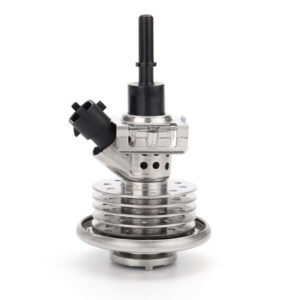
- DEF Injector: Atomizes the DEF into the exhaust stream for optimal interaction with exhaust gases.
- Control Module: Oversees the entire system, ensuring the correct timing and quantity of DEF injection based on engine conditions.
Maintaining the proper function of DEF injectors is essential for compliance with emissions regulations and enhancing overall fuel efficiency. By minimizing NOx emissions, DEF technology helps preserve engine performance while mitigating environmental impact. Moreover, effective DEF management can lead to lower fuel usage as optimal combustion of exhaust gases reduces waste and unburned fuel.
In conclusion, DEF injectors are critical to ensuring diesel engine performance, improving fuel efficiency, and meeting environmental standards. Regular maintenance and troubleshooting of these injectors will help sustain the advantages of this advanced emissions control technology, benefiting both engines and the environment.
Step-by-Step Guide to DEF Injector Maintenance
Proper maintenance of Diesel Exhaust Fluid (DEF) injectors is vital for optimal engine performance and compliance with emission standards. By following this comprehensive guide, you can keep your DEF injectors in top shape.
Recommended Maintenance Practices:
- Cleaning: Clean the DEF injectors every 2,000 operating hours or as advised by the manufacturer using a specialized cleaning solution to remove deposits.
- Inspections: Conduct visual checks for signs of wear, cracks, or leaks, especially around the injector nozzles and their connections.
- Testing: Use diagnostic tools for periodic testing of the injectors to ensure proper spray patterns and functionality.
Tools and Equipment Needed:
- Protective gloves and goggles
- Diagnostic scanner
- Specialized cleaning solution
- Torque wrench
- Injector puller
Frequency of Maintenance Tasks:
- Daily: Check DEF fluid levels and inspect for leaks.
- Weekly: Inspect injector connections and hoses for damage.
- Monthly: Perform thorough cleaning and testing of the injector system.
By following these maintenance practices, you can extend the lifespan of your DEF injectors and ensure efficient operation of your diesel engine. Keeping to a regular schedule helps prevent costly downtime and maintains compliance with regulations.
Diagnosing DEF Injector Issues
Recognizing issues with Diesel Exhaust Fluid (DEF) injectors is essential for maintaining optimal engine performance and adhering to emissions standards. Identifying common symptoms of DEF injector failure can help prevent severe damage and expensive repairs. Here are key indicators of potential DEF injector problems:
- Engine Codes: Look for diagnostic trouble codes (DTCs) in the engine control unit (ECU), such as P20EE, P20E8, or P203F, indicating malfunctions in the NOx sensor or DEF system.
- Performance Issues: Indicators may include reduced engine power, poor fuel economy, or the activation of limp mode, which limits engine performance to prevent damage.
- DEF Quality Warnings: Be alert for system notifications indicating DEF quality problems or contamination that could impair injector performance.
To effectively diagnose DEF injector issues, follow a systematic diagnostic approach:
- Visual Inspection: Look for leaks, cracks, or wear in the DEF lines and injectors.
- Pressure Testing: Use a pressure gauge to measure DEF system pressure; low readings may indicate blockages or failures.
- Electrical Tests: Ensure that all electrical connections to the DEF injectors are secure and free from corrosion.
- Using Scanners: Use an OBD-II scanner to retrieve error codes and monitor live data of DEF flow rates and NOx levels.
Essential tools for diagnosing DEF injector issues include:
- OBD-II Scanner
- Pressure Gauge
- Multimeter
- Visual Inspection Tools
By understanding these symptoms and employing proper diagnostic procedures, you can address DEF injector issues effectively, ensuring smooth engine operation and regulatory compliance.
Step-by-Step Guide to Replacing a DEF Injector
Replacing a Diesel Exhaust Fluid (DEF) injector is a crucial maintenance task that ensures optimal performance and compliance with emissions standards. This guide provides detailed instructions for effectively replacing a DEF injector in a diesel engine.
Required Tools and Safety Precautions:
- Safety gloves and goggles
- Adjustable wrench
- Screwdriver set
- Torque wrench
- Spray lubricant
Before beginning, ensure the engine is cool and parked on a flat surface. Always refer to the vehicle’s service manual for specific instructions and torque specifications related to your model.
Step-by-Step Replacement Process:
- Disconnect the vehicle’s battery to prevent electrical hazards.
- Locate the DEF injector, usually positioned near the exhaust system.
- Remove any necessary covers or components for improved access.
- Disconnect the electrical harness from the DEF injector, carefully using a screwdriver to release any locks.
Common Troubleshooting Tips for DEF Injector Leaks
DEF injectors are critical in reducing emissions in diesel engines by injecting Diesel Exhaust Fluid (DEF) into the exhaust stream. However, leaks can hinder their effectiveness, leading to performance issues and increased pollutant emissions. Therefore, understanding the causes, methods of detection, and preventative measures for DEF injector leaks is crucial for maintaining optimal engine performance.
Causes of DEF Injector Leaks
Several factors may contribute to DEF injector leaks, including:
- Worn or damaged seals that can no longer contain the fluid.
- Coriolis effect from vibrations or improper mounting.
- Corrosion from exposure to environmental elements.
- Incorrect installation or torque settings during maintenance.
Detecting and Troubleshooting DEF Injector Leaks
To effectively identify and address DEF injector leaks, consider the following steps:
- Visual Inspection: Regularly check the injector and surrounding areas for signs of fluid accumulation.
- Pressure Testing: Perform a pressure test to verify that the system maintains adequate pressure without drops.
- Fluid Quality Check: Inspect the DEF fluid for contamination, which can lead to injector malfunctions.
- Leaking Indicator: Utilize onboard diagnostic tools to check for fault codes related to DEF injectors.
Preventative Measures
To minimize the risk of future leaks, implement the following preventative strategies:
- Conduct regular maintenance and inspections of DEF systems.
- Ensure proper installation techniques and follow torque specifications.
- Use high-quality DEF to minimize the risk of deposits that can corrode injector components.
- Protect injectors from extreme environmental conditions whenever possible.
By recognizing the signs of DEF injector leaks and taking proactive measures, you can help ensure reliable engine performance and fuel efficiency.
Comparing DEF Injector Options
When selecting a DEF injector for your diesel engine, it’s important to consider various features, specifications, and overall brand reliability. Not all injectors are created equal, and understanding their differences can save time and money in the long run.
Key features to look for include:
- Flow Rate: Ensure the injector provides the appropriate flow rate for your engine’s requirements.
- Material Quality: Stainless steel components offer enhanced durability and resistance to corrosion.
- Compatibility: Confirm the injector is compatible with your specific diesel engine make and model.
- Ease of Installation: Some injectors are designed for quick replacement, minimizing downtime.
Below is a comparative overview of popular DEF injector brands:
| Brand | Flow Rate | Material | Price Range | Warranty |
|---|---|---|---|---|
| Brand A | 50 L/min | Stainless Steel | $150 – $200 | 2 Years |
| Brand B | 55 L/min | Aluminum | $100 – $180 | 1 Year |
| Brand C | 60 L/min | Stainless Steel | $200 – $250 | 3 Years |
| Brand D | 50 L/min | Plastic/Composites | $75 – $120 | 1 Year |
When considering pricing, remember that a higher initial investment can lead to better longevity and reliability. Additionally, opt for a brand that offers a favorable warranty to safeguard your investment against defects or performance issues. By effectively comparing these factors, you can choose a DEF injector that best meets your engine’s requirements, ensuring optimal performance and minimizing downtime.
Frequently Asked Questions (People Also Ask)
When it comes to maintaining and troubleshooting Diesel Exhaust Fluid (DEF) injectors, several questions commonly arise among diesel engine operators. To address these concerns, here are some frequently asked questions along with their answers:
- How often should DEF injectors be replaced?DEF injectors generally last around 80,000 to 100,000 miles, though this can vary based on engine conditions and DEF quality. Regular inspections are recommended to ensure peak performance.
- What are the signs of a failing DEF injector?Common symptoms include:
- Increased exhaust emissions
- Warning lights on the engine dashboard
- Reduced vehicle performance
- Frequent regeneration cycles
- Can DEF injectors be cleaned instead of replaced?In some instances, cleaning the DEF injector may restore functionality, especially if there’s buildup from the quality of DEF used. However, persistent issues usually necessitate replacement.
- What tools are needed for DEF injector maintenance?Basic maintenance may require:
- Wrenches and sockets
- Vacuum pump
- Injector cleaning kits
- Safety goggles and gloves
- How do I know if my DEF system is functioning properly?Monitoring performance indicators such as diesel exhaust fluid consumption, engine temperature, and emission levels can provide insight. Regular diagnostics can also help confirm system integrity.