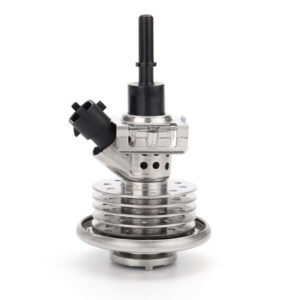
Ford 6.7L Powerstroke DEF Injector Guide: Troubleshooting and Replacement
Introduction to the Ford 6.7L Powerstroke SCR System
The Ford 6.7L Powerstroke diesel engine, introduced in 2011, marked a significant shift in emissions technology for heavy-duty trucks. To meet stringent EPA regulations regarding nitrogen oxide (NOx) emissions, Ford implemented a Selective Catalytic Reduction (SCR) system. At the heart of this system is the Ford 6.7 DEF injector, also known as the Powerstroke dosing valve. This component is responsible for precisely spraying Diesel Exhaust Fluid (DEF)—a mixture of urea and deionized water—into the exhaust stream. When this fluid meets the hot exhaust gases, it breaks down into ammonia, which then reacts with NOx in the SCR catalyst to form harmless nitrogen and water vapor.
While the SCR system is highly effective at reducing the environmental footprint of these powerful trucks, it is not without its vulnerabilities. A DEF system failure Ford owners often encounter is a malfunction of the dosing valve itself. Because DEF is prone to crystallization and the injector is located in a harsh, high-heat environment, blockages and electrical failures are common. Understanding how this system works and how to address a faulty injector is crucial for maintaining your truck’s performance and avoiding the dreaded “limp mode” or speed restrictions often associated with exhaust fluid system faults.
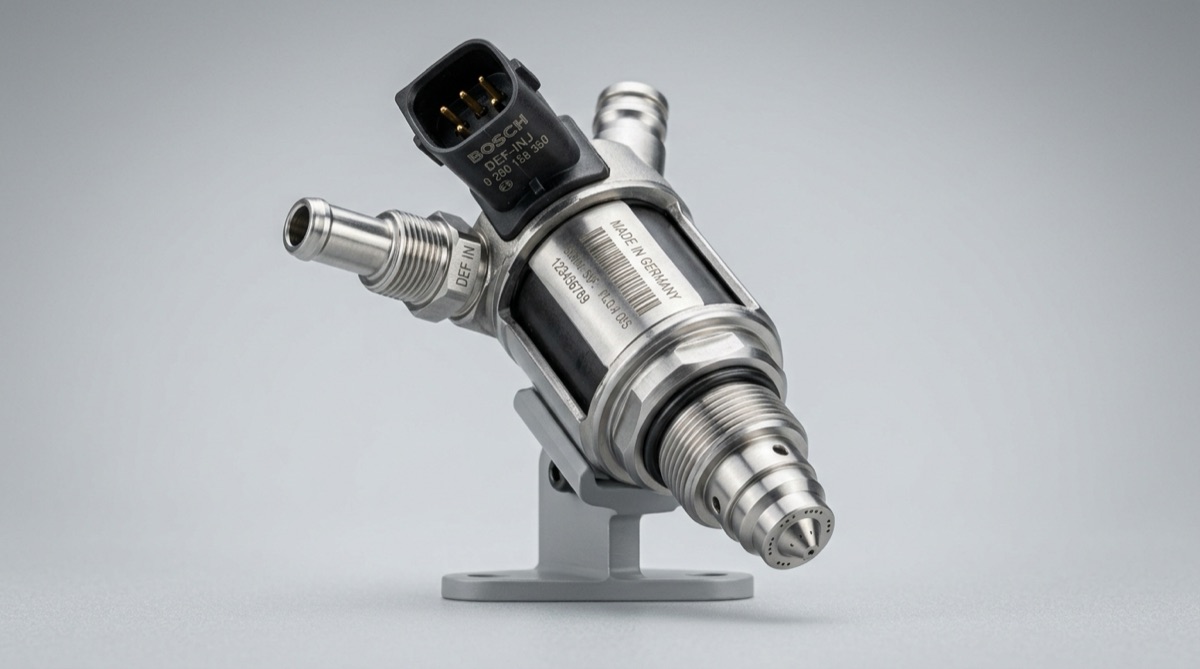
Common Symptoms of a Clogged Ford DEF Injector
Identifying a failing or clogged Ford 6.7 DEF injector early can save you from being stranded or facing expensive repairs at the dealership. The most obvious sign is the appearance of a Check Engine Light (CEL) on your dashboard, often accompanied by a “Service DEF System” or “Exhaust Fluid System Fault” message. When you scan the vehicle’s computer, one of the most frequent codes you will find is P2047 Ford, which indicates a “Reductant Injector Circuit/Open.” This code specifically points to an electrical issue or a complete break in the communication between the PCM and the injector.
Beyond diagnostic codes, there are several physical and performance symptoms to watch for:
1. DEF Crystallization and “White Smoke”
If the Powerstroke dosing valve is leaking rather than spraying a fine mist, you may notice white crusty deposits around the injector mounting point or inside the exhaust pipe. In some cases, an improper spray pattern can lead to excessive DEF buildup, resulting in white smoke exiting the tailpipe, which is actually vaporized urea that hasn’t reacted properly in the catalyst.
2. Reduced Fuel Economy and Frequent Regens
A malfunctioning DEF system can force the engine to work harder to manage emissions. If the SCR system isn’t neutralizing NOx efficiently, the engine control module may increase Diesel Particulate Filter (DPF) regeneration cycles to compensate, leading to a noticeable drop in miles per gallon (MPG).
3. Derate or “Limp Mode”
The most severe symptom of a DEF system failure Ford is a speed restriction. To comply with federal laws, Ford’s software will limit the truck’s speed—sometimes to as low as 5 mph—if it detects that the emissions system is not functioning for an extended period. This is designed to force the operator to seek immediate repairs.
Step-by-Step Replacement Guide
If you have confirmed that your Ford 6.7 DEF injector is faulty, replacing it is a task that many DIY enthusiasts can handle with basic tools. Follow this guide to swap out your Powerstroke dosing valve and get your truck back on the road.
Tools Required:
- 10mm and 13mm sockets or wrenches
- Flathead screwdriver or pick tool
- Replacement Ford 6.7L DEF Injector
- New mounting gasket (usually included with the injector)
- OBD-II scanner to clear codes
Step 1: Preparation
Ensure the vehicle is parked on a level surface and the exhaust system is completely cool. Working on a hot exhaust can lead to severe burns. Locate the DEF injector, which is mounted on the exhaust pipe just before the SCR catalyst. It is recognizable by the electrical connector and the DEF line attached to it.
Step 2: Disconnect the Electrical Connector
Press the locking tab on the electrical harness and gently pull it away from the injector. If the connector is stuck due to road grime or P2047 Ford related corrosion, use a small pick to carefully release the tab. Inspect the connector for any signs of melting or green corrosion.
Step 3: Remove the DEF Supply Line
The DEF line uses a quick-connect fitting. Squeeze the release tabs and pull the line straight off. Be prepared for a small amount of DEF to drip out. Avoid getting DEF on your skin or paint, as it can be corrosive and leaves a white residue.
Step 4: Unbolt the Injector
Using your 10mm or 13mm wrench (depending on the year model), remove the bolts or the mounting clamp holding the injector to the exhaust flange. Carefully pull the injector out. You may see a significant amount of crystallized urea blocking the nozzle or the entry port into the exhaust.
Step 5: Install the New Injector
Clean the mounting surface on the exhaust pipe. Install the new gasket and seat the new Ford 6.7 DEF injector into place. Secure it with the bolts or clamp, ensuring a tight seal to prevent exhaust leaks. Reconnect the DEF supply line until you hear it “click” into place, then plug in the electrical connector.
Step 6: Clear Codes and Test
Using your OBD-II scanner, clear the P2047 Ford or other related codes. Start the truck and check for leaks. It may take a few miles of driving for the system to run its self-tests and for the “Exhaust Fluid System” messages to disappear from the dash.
Maintenance Tips to Avoid Future Failures
Preventing a DEF system failure Ford is much cheaper than repairing one. The Powerstroke dosing valve is a precision component, and its longevity depends heavily on the quality of the fluid and the operating conditions of the truck.
Use High-Quality DEF: Always buy Diesel Exhaust Fluid from reputable sources. Ensure the fluid is fresh and the seal is intact. Old or contaminated DEF is the leading cause of crystallization and injector clogging. Check the expiration date on the box, as DEF has a shelf life of about one year under ideal conditions.
Keep the Tank Full: Running your DEF tank near empty can allow sediment or concentrated crystals at the bottom of the tank to be sucked into the pump and injector. Try to refill your tank when it reaches the 1/4 mark.
Inspect for Leaks: During your routine oil changes, take a moment to look under the truck. If you see white, salt-like deposits around the Ford 6.7 DEF injector, it indicates a slow leak. Addressing a small leak early can prevent the electrical pins from corroding and throwing a P2047 Ford code.
Regular Highway Driving: Trucks that idle excessively or are used only for short city trips are more prone to DEF issues. The SCR system needs heat to function correctly. Regular highway driving at operating temperatures helps keep the Powerstroke dosing valve clear of deposits.
FAQ
What does code P2047 mean on a Ford 6.7?
The P2047 Ford code indicates that the Powertrain Control Module (PCM) has detected an open circuit in the reductant (DEF) injector control circuit. This is often caused by a broken wire, a corroded connector, or an internal failure of the Ford 6.7 DEF injector itself.
Can I clean a clogged DEF injector instead of replacing it?
Yes, in some cases, you can remove the injector and soak the nozzle in warm distilled water to dissolve urea crystals. However, if the failure is electrical (like a P2047 Ford code), cleaning will not fix the issue, and replacement of the Powerstroke dosing valve is necessary.
How much does it cost to replace a Ford 6.7 DEF injector?
The part itself typically costs between $150 and $300 depending on whether you choose an OEM or high-quality aftermarket version. If you take it to a dealer, labor costs can add another $200 to $400. Doing it yourself can save you significantly on a DEF system failure Ford repair.
Is it safe to drive with a DEF system fault?
It is safe for the engine in the short term, but the truck will eventually enter a derated state, limiting your speed. It is best to address a Ford 6.7 DEF injector issue as soon as symptoms appear to avoid being limited to 5 mph on the highway.
Recommended Resources and Products:
- Internal Blog: Top 5 Signs of DEF Injector Failure
- Related Product: Ford 6.7L Powerstroke DEF Injector
- External Authority: EPA SCR Regulations
- Technical Reference: ISO 22241 Quality Standards