Which Comes First: DPF or SCR?
Understanding the optimal sequence of diesel exhaust aftertreatment systems for maximum efficiency and compliance
Quick Answer
In most modern diesel exhaust aftertreatment systems, the DPF (Diesel Particulate Filter) comes before the SCR (Selective Catalytic Reduction) system. This configuration optimizes both particulate matter removal and NOx reduction while maintaining system efficiency.
Understanding the Basics
DPF (Diesel Particulate Filter)
- • Removes soot and particulate matter
- • Operates at high temperatures (500-600°C)
- • Requires periodic regeneration
- • Primary function: PM reduction
SCR (Selective Catalytic Reduction)
- • Reduces nitrogen oxides (NOx)
- • Uses DEF (Diesel Exhaust Fluid)
- • Operates at 200-500°C
- • Primary function: NOx reduction
Why DPF Typically Comes First
1. Temperature Management
The DPF operates most effectively at higher temperatures, typically requiring 500-600°C for optimal soot oxidation. By positioning the DPF closer to the engine, it benefits from the higher exhaust gas temperatures directly from the combustion process.
Pro Tip: Higher temperatures upstream help the DPF achieve passive regeneration more frequently, reducing maintenance requirements.
2. Protecting the SCR System
Placing the DPF before the SCR system protects the SCR catalyst from particulate matter contamination. Soot particles can coat the SCR catalyst surface, reducing its effectiveness in converting NOx emissions.
3. Optimal SCR Operating Range
SCR systems work efficiently at lower temperatures (200-500°C). By the time exhaust gases pass through the DPF, they've cooled to an ideal temperature range for SCR operation, maximizing NOx conversion efficiency.
Typical exhaust aftertreatment system configuration
Alternative Configurations
SCR-First Systems
In some specialized applications, SCR may be positioned before the DPF. This configuration is less common but may be used when:
- • Specific space constraints exist
- • Unique thermal management requirements
- • Custom OEM specifications demand it
Performance Considerations
| Configuration | Advantages | Disadvantages |
|---|---|---|
| DPF → SCR | Better DPF regeneration, SCR protection, optimal temperatures | Longer system length, higher backpressure |
| SCR → DPF | Compact design, lower initial backpressure | DPF contamination risk, challenging regeneration |
Industry Best Practices
of OEM systems use DPF-first configuration
NOx reduction efficiency with proper sequencing
reduction in maintenance with optimal configuration
Making the Right Choice for Your Application
The decision between DPF-first or SCR-first configurations depends on several factors specific to your application. Consider these key elements when designing your exhaust aftertreatment system:
Engine Operating Conditions
Consider typical exhaust temperatures, duty cycles, and load patterns
Space Constraints
Evaluate available installation space and packaging requirements
Emission Requirements
Ensure compliance with EPA Tier 4 Final or other applicable standards
Maintenance Accessibility
Plan for service intervals and component replacement procedures
Expert Recommendation
For most applications, the DPF-first configuration provides the best balance of performance, reliability, and maintenance efficiency. However, custom applications may benefit from alternative arrangements designed by experienced aftertreatment specialists.
Professional SCR Solutions
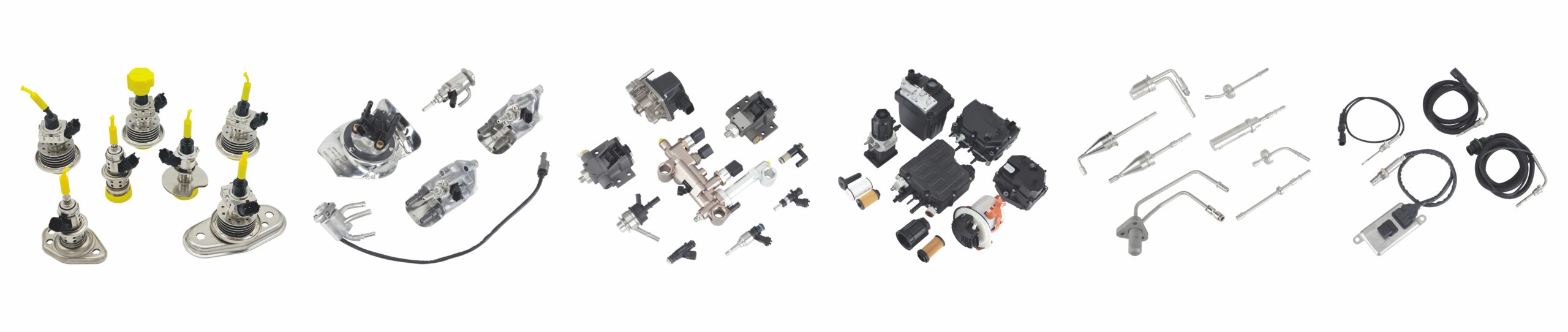
At our company, we specialize in providing comprehensive SCR solutions tailored to your specific needs. With 80% of our products supplied to OEMs, we understand the critical importance of proper system configuration and sequencing.
Our Services Include:
- • Custom system design and development
- • OEM and aftermarket solutions
- • Quality assurance and testing
- • Technical support and consultation
- • Custom labeling services
- • Competitive pricing
- • Professional engineering team
- • Compliance certification assistance
Need Expert Guidance?
Our professional team is ready to help you design the optimal exhaust aftertreatment system for your specific application.
WhatsApp: +86 153 5620 3087
Email: [email protected]
Building 13, Intelligent Industrial Zone, No.2777 Ningkang East Road
Yueqing City, Wenzhou City, Zhejiang Province, China