The Financial Stakes of SCR Maintenance
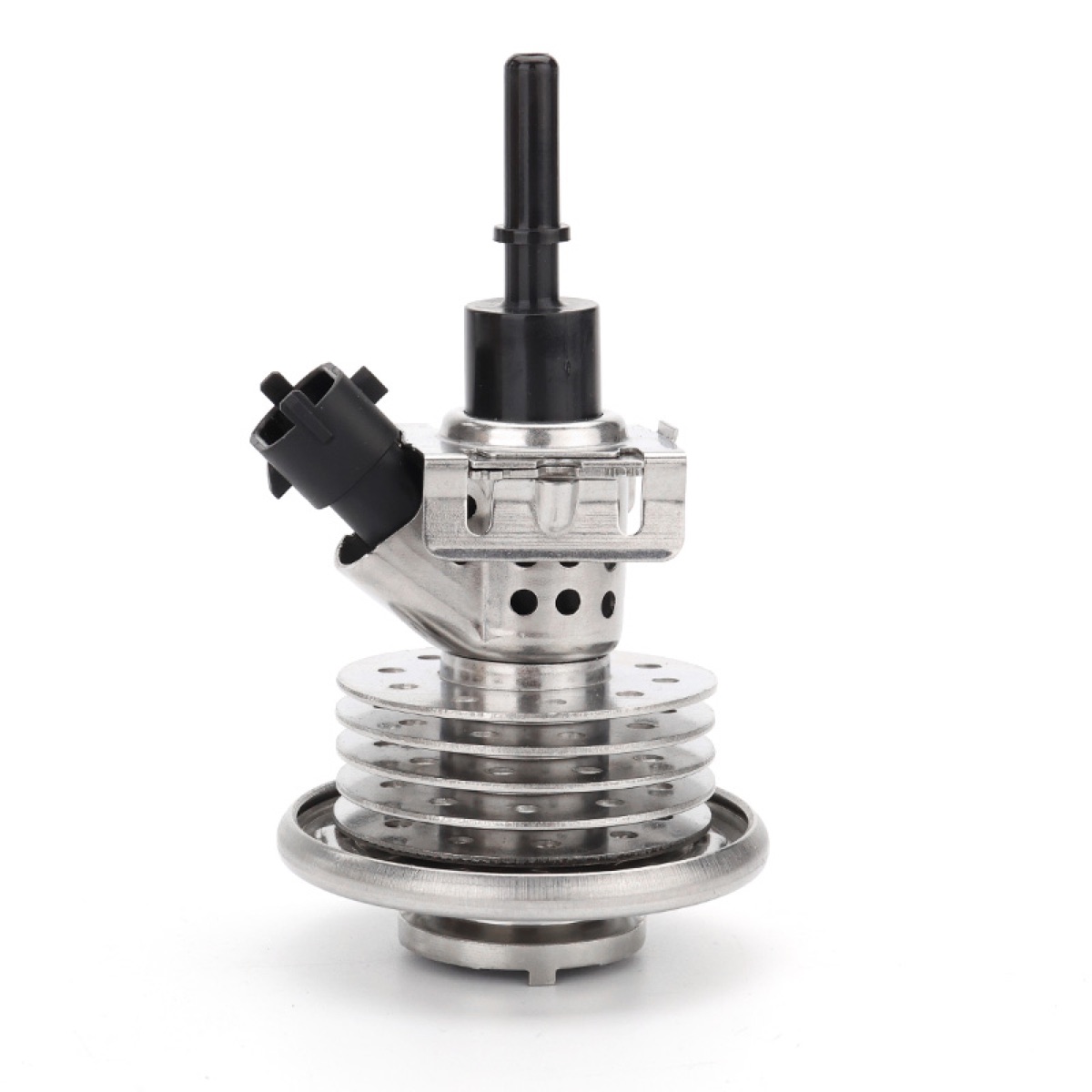
For many diesel operators, the Selective Catalytic Reduction (SCR) system is the most expensive part of their vehicle to maintain. When a “Service DEF” light appears, the gut reaction is often to fear a multi-thousand dollar repair bill. The DEF injector, being the primary moving part in the system, is often the first to fail. However, owners face a critical decision: Do you pay for a brand-new replacement, or can you get away with a thorough cleaning?
Choosing correctly can save you over $1,000 in parts and labor. Choosing incorrectly, however, can lead to “comebacks”—where the vehicle returns to the shop a week later with the same fault, resulting in doubled labor costs and more lost revenue. This guide breaks down the economics and technical indicators for replacement versus cleaning.
When Cleaning is the “Budget Hero”
In many cases, the DEF injector hasn’t actually “failed”—it has simply become obstructed. Because DEF is a urea-based solution, it naturally crystallizes when it encounters air or heat. These crystals are not a mechanical failure; they are a physical blockage.
External Crystallization (“The Donut”)
If you remove your injector and see a large “donut” of white, chalky material around the tip, this is a prime candidate for cleaning. This usually happens because of a slow leak at the gasket or because the vehicle idles too much, preventing the exhaust from getting hot enough to melt the crystals away. A soak in hot distilled water will dissolve these crystals, and the injector will often perform like new for $0 in parts.
The “Zero-Dose” Logic
If your diagnostic tool shows that the injector’s solenoid is clicking and the resistance is within spec (usually 10-15 ohms), the electrical heart of the injector is healthy. In this scenario, any performance issues are likely just a “clog,” and cleaning should be your first step.
When Replacement is Unavoidable
Cleaning has its limits. If the damage is internal or structural, spending time cleaning is just “throwing good money after bad.”
1. Electrical Failure (Open or Short)
If your scan tool shows a P2047 (Reductant Injection Valve Circuit / Open), no amount of cleaning will help. This means the copper wire inside the solenoid has snapped or melted. The injector is dead and must be replaced.
2. Internal Seal Failure
If the injector is “leaking” DEF from the plastic housing or the electrical connector, the internal seals have failed. This is common if the system was contaminated with oil. Since these injectors are factory-sealed units, they cannot be rebuilt.
3. Nozzle Erosion
High-mileage injectors (over 300,000 miles) often suffer from “sandblasted” nozzles. The constant flow of fluid wears down the edges of the spray holes. A “cleaned” injector with an eroded nozzle will still have a poor spray pattern, leading to immediate re-crystallization in the exhaust.
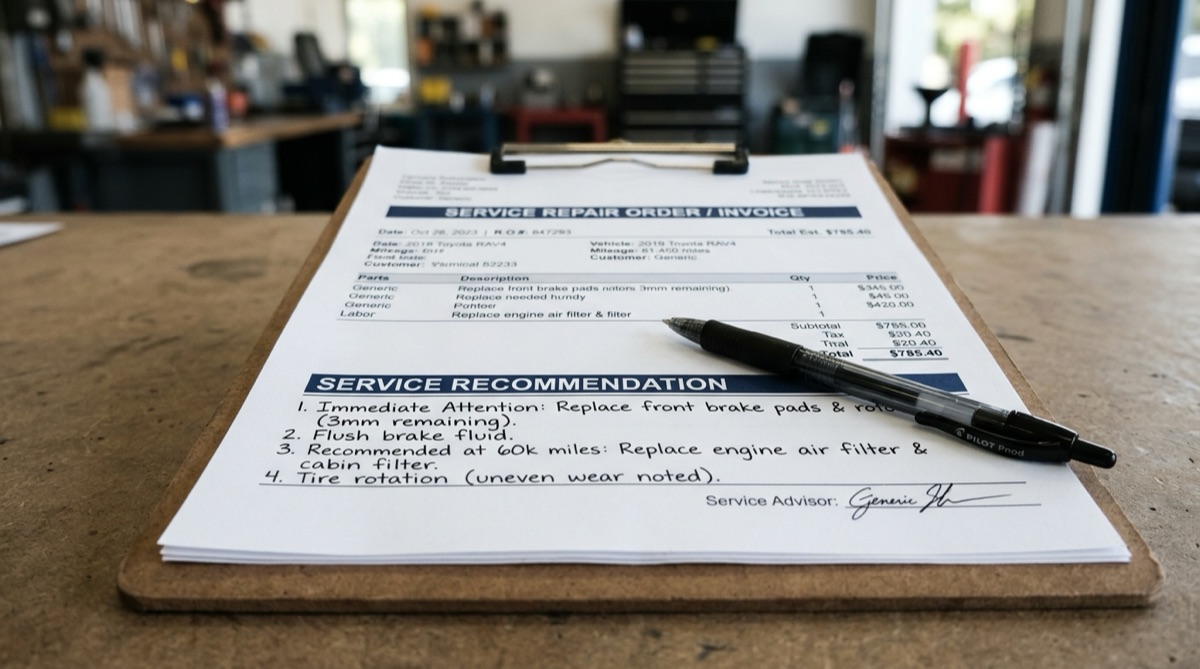
Cost Comparison Table: Replacement vs. Cleaning
| Factor | DIY Cleaning | Shop Cleaning | OEM Replacement |
|---|---|---|---|
| Parts Cost | $15 (Gasket/Clamp) | $50 (Markup) | $350 – $800 |
| Labor Time | 1-2 Hours | 2-3 Hours | 1 Hour |
| Labor Cost | $0 | $300 – $450 | $150 – $250 |
| Downtime | Low | Moderate | Low |
| Success Rate | 60% | 75% | 100% |
| Total Estimated Cost | $15 | $350 – $500 | $500 – $1,050 |
The “Hidden Costs” of Failure
When deciding on your budget, you must look beyond the price of the part. The most significant cost of a failing DEF injector is “Induced Downtime.”
If a “Cleaned” injector fails again 200 miles from home, you are facing:
- Towing Fees: $500 – $1,200.
- Lost Revenue: $800 – $1,500 per day for a commercial truck.
- DPF Damage: A failing DEF system can lead to incomplete regenerations, which eventually clogs the Diesel Particulate Filter (DPF). Cleaning or replacing a DPF can cost $2,000 to $5,000.
For a fleet manager, the $500 spent on a new injector is “insurance” against a $5,000 DPF failure. For an owner-operator with more time than cash, the DIY cleaning is a viable gamble.
Technical Indicators for Your Decision
- Check Resistance: Use a multimeter. If the ohms are outside the range of 10-18Ω, replace it.
- Pressure Test: If the system can’t hold 5 bar of pressure during a “leak test,” the injector is leaking internally. Replace it.
- Spray Pattern Test: Perform a “Quantity Test” using a scan tool. Catch the DEF in a graduated cylinder. If the volume is correct but the fluid is “dripping” rather than “fogging,” try cleaning once. If it still drips, replace it.
FAQ: Budgeting for DEF Repairs
Q: Are aftermarket DEF injectors reliable?
A: Some are, but be careful. “No-name” injectors from discount sites often have incorrect flow rates, which will trigger a P207F code immediately. Stick to reputable brands like Bosch, Continental, or Cummins.
Q: Can I use “CLR” or brake cleaner to clean my injector?
A: NO. Brake cleaner can damage the internal seals. CLR is too acidic and can corrode the stainless steel. Only use hot distilled water.
Q: How often should I clean my injector to avoid replacement?
A: As a preventative measure, inspecting and cleaning the tip every 100,000 miles is a great way to extend the life of the unit and the SCR catalyst.
Q: My dealer says they “don’t clean” injectors. Why?
A: Dealers often refuse to clean injectors because they cannot guarantee the repair. From a liability standpoint, it is safer for them to install a new part with a 12-month warranty than to charge labor for a cleaning that might fail in two days.
Recommended Resources and Products:
- Internal Blog: Top 5 Signs of DEF Injector Failure
- Related Product: Audi A7/Q7 3.0 TDI Urea Injector
- External Authority: Diesel Technology Forum – Advanced Diesel Info
- Technical Reference: Bureau of Labor Statistics – Automotive Trends