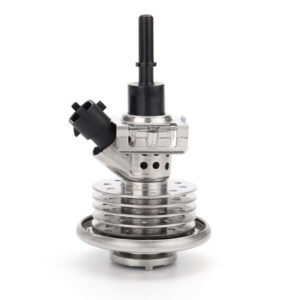
Complete Guide to DEF Transfer Pump Systems
Explain the Mechanics of DEF Transfer Pump Systems
Diesel Exhaust Fluid (DEF) is a solution consisting of 32.5% urea and 67.5% deionized water, primarily utilized in Selective Catalytic Reduction (SCR) systems to reduce nitrogen oxide emissions from diesel engines. By injecting DEF into the exhaust stream, harmful emissions are converted into harmless nitrogen and water, playing a vital role in adhering to stringent environmental regulations.
DEF transfer pump systems are specifically designed to facilitate the efficient movement of DEF, transferring this fluid from storage tanks to vehicle or equipment tanks for safe and accurate delivery. These pumps operate by creating a controlled flow of DEF, utilizing either diaphragm or gear mechanisms. Diaphragm pumps leverage a flexible membrane that alternately expands and contracts to transport the fluid, while gear pumps employ meshed gears to generate pressure that propels the DEF through the system.
Common applications for DEF transfer pump systems include:
- Fuel stations: Providing refueling solutions for diesel vehicles equipped with SCR technology.
- Manufacturing facilities: Supporting heavy equipment and machinery that rely on DEF for compliant operation.
- Agricultural operations: Ensuring farm vehicles are supplied with necessary DEF for emission control.
- Fleet management: Enabling efficient refueling and maintenance practices for transportation companies.
Understanding the mechanics behind DEF transfer pumps is essential for optimizing their use and ensuring compliance with environmental standards. Consequently, proper maintenance and operation significantly enhance the performance and longevity of both the pumps and the vehicles utilizing DEF.
Outline Key Features When Selecting a DEF Pump
When selecting a Diesel Exhaust Fluid (DEF) transfer pump, several key features must be considered to guarantee optimal performance and efficiency. Below are the critical factors to evaluate:
- Flow Rate: This refers to the amount of DEF the pump can transfer per minute, typically measured in gallons per minute (GPM). A pump with a higher flow rate reduces transfer time, making it suitable for high-demand applications. Assess your needs based on your regular DEF volume to select an appropriate flow rate.
- Power Source Options: DEF pumps are available in various power configurations, including electric, manual, and pneumatic. Electric pumps are generally user-friendly and faster, while manual pumps offer portability without the need for power access. Pneumatic pumps are reliable in industrial settings but may require additional equipment. Choose a power source that aligns with your operational environment and convenience.
- Material Compatibility: Given that DEF can be corrosive to certain materials, selecting a pump made from compatible materials, such as polypropylene or stainless steel, is critical. Ensure all components, including hoses, fittings, and seals, are designed to handle DEF, preventing leaks and contamination. This consideration will also help extend the lifespan of your pumping system.
- Portability and Storage: Depending on your needs, a portable pump may be essential for easy movement between locations. Compact designs with carry handles or wheels enhance mobility. Additionally, consider storage options; selecting a pump that can be easily disassembled for storage or that has a low profile optimizes space usage in your facility.
By thoroughly evaluating these features, you can choose a DEF pump that meets your operational requirements and ensures reliable performance in your DEF transfer processes.
Present a Comparison of Various DEF Pump Models
When selecting a DEF (Diesel Exhaust Fluid) transfer pump, understanding the specifications and performance of available models is crucial. To assist with this, we present a comparative analysis of notable DEF pump models currently available on the market, highlighting their specifications, performance metrics, and price points.
| Model | Flow Rate (GPM) | Power Source | Price Range | Advantages | Disadvantages |
|---|---|---|---|---|---|
| DEF-Transfer Pro 100 | 10 | Electric | $500 – $600 |
|
|
| Quick Pump DEF-50 | 5 | Battery Operated | $300 – $400 |
|
|
| Ultra DEF PK-200 | 15 | Diesel | $800 – $900 |
|
|
Each of these models offers unique advantages and disadvantages tailored to various operational needs. For instance, the DEF-Transfer Pro 100 stands out for its high flow rate, making it ideal for large-scale operations, albeit at a higher price. Alternatively, the Quick Pump DEF-50 is perfect for users needing a portable and cost-effective solution, while the Ultra DEF PK-200 caters to heavy-duty applications with its remarkable flow capabilities, despite its greater maintenance requirements. Ultimately, selecting the right DEF pump model hinges on specific operational requirements, budget constraints, and desired performance characteristics.
Provide a Comprehensive Buying Guide for DEF Pumps
Choosing the right DEF transfer pump system is vital for efficiency and compliance in diesel engine operations. This buying guide will help you assess your needs and select the best pump for your particular application.
First, consider the following steps to evaluate your individual needs:
- Application: Determine the primary intended use of the pump. Will it be for dispensing, transferring, or filling DEF containers?
- Budget: Set a realistic budget that accommodates both the initial purchase and potential operating costs.
- Environment: Assess where the pump will be used. Is it in a stationary location, or does it need to be portable? Will it be indoors or outdoors?
Next, while evaluating DEF pump options, consider these key questions:
- What is the required flow rate for my operations?
- Is the pump compliant with the DEF quality standards I need to meet?
- What are the power requirements, and do I have adequate access to the necessary power source?
- What is the anticipated lifespan of the pump, and how does it align with my long-term operational goals?
Finally, think about long-term implications before making your purchase:
- Maintenance: Investigate the maintenance requirements of your chosen pump, as regular maintenance can prevent costly downtime.
- Warranty: Review warranty offers to gauge the manufacturer’s confidence in their product.
- Service: Seek a supplier that provides dependable customer support and readily accessible replacement parts.
In summary, a thorough evaluation of your needs, careful consideration of critical questions, and awareness of long-term implications will guide you to the best DEF pump for your operations. Following this checklist can streamline your buying process and invest in a solution that enhances operational efficiency.
Maintaining your Diesel Exhaust Fluid (DEF) transfer pump is essential for ensuring its longevity and optimal performance. By adhering to a structured maintenance routine, you can minimize downtime while promoting efficiency in operations. Below are key maintenance tips and troubleshooting insights to keep your pump in top condition.
Routine Maintenance Tasks
- Regular Inspections: Regularly check hoses and connections for leaks or wear. Confirm that fittings are secure and free from contaminants.
- Filter Replacement: Change filters according to manufacturer specifications, typically every 500-1,000 gallons or as necessary based on usage.
- Fluid Levels: Regularly monitor fluid levels in the pump. Low DEF levels can cause pump damage and decreased efficiency.
- Cleaning: Keep the pump and surrounding area clean to prevent dust and debris from entering the system.
Signs of Wear or Malfunction
To avert unexpected failures, be vigilant for these signs:
- Increased noise or vibration during operation.
- Frequent tripping of circuit breakers.
- Unusual odors or leaks around the pump.
- Difficulty starting the pump or erratic performance.
Troubleshooting Common Issues
If problems arise, consider the following troubleshooting steps:
- Verify power supply connections and ensure the circuit breaker is operational.
- Inspect and clean strainers or filters that may be clogged.
- Check hoses for kinks or blockages that can impede flow.
- Review operational settings and confirm they align with manufacturer recommendations.
By integrating these maintenance tips into your routine, you can enhance the efficiency and lifespan of your DEF transfer pump. Adopting a proactive approach will ultimately lead to improved performance and reliability.
Address Frequently Asked Questions About DEF Pumps
When considering the purchase or maintenance of a DEF transfer pump, potential buyers often have several common inquiries that require addressing. Understanding these aspects can greatly influence your decision and ensure optimal use of these essential systems.
- What is the best DEF transfer pump for large vehicles? For large vehicles, industrial-grade DEF pumps that feature higher flow rates and robust materials are recommended. Look for models with at least 12-15 GPM (gallons per minute) throughput to ensure efficient refueling.
- How do I maintain my DEF transfer pump? Regular maintenance includes checking for leaks, ensuring the pump is free from contaminants, and replacing any worn or damaged parts. It’s also crucial to clean the filter regularly and keep the pump stored in a temperature-controlled environment to prevent DEF crystallization.
- Can I use a DEF pump for other fluids? DEF pumps are specifically designed for Diesel Exhaust Fluid (DEF) and should not be used for other fluids, especially fuels or chemicals, as this could lead to contamination and pump failure.
- What is the typical lifespan of a DEF pump? The lifespan of a DEF pump typically ranges from 3 to 5 years, depending on maintenance. Factors such as usage frequency, environmental conditions, and maintenance practices can significantly influence this duration.
- Are DEF pumps regulated in commercial settings? Yes, DEF pumps in commercial environments are subject to regulatory standards to guarantee safe dispensing and compliance with environmental laws. Regular inspections and certifications may be required based on local regulations.
By addressing these frequently asked questions, potential buyers can gain a clearer understanding of their requirements concerning DEF transfer pump systems. This knowledge not only aids in selecting the right product but also ensures efficient operation over time.