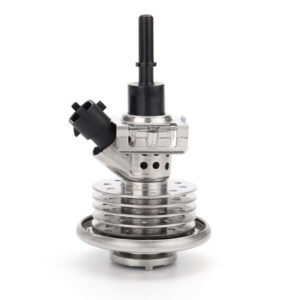
Understanding Selective Catalytic Reduction (SCR) Systems: A Comprehensive Guide
What is Selective Catalytic Reduction (SCR)?
Selective Catalytic Reduction (SCR) is an advanced technology aimed at minimizing nitrogen oxides (NOx) emissions from the exhaust of diesel engines and various industrial processes. At its core, SCR involves injecting a urea-based additive, typically known as diesel exhaust fluid (DEF), into the exhaust stream. As exhaust gases traverse a catalyst, the NOx molecules react with the urea, converting them into harmless nitrogen and water vapor.
The importance of SCR technology lies in its capacity to alleviate environmental pollution stemming from NOx emissions, which significantly contribute to smog and acid rain. Elevated NOx levels can cause serious respiratory issues and adversely affect human health and ecosystems.
The origins of SCR systems can be traced back to the 1950s and 1960s, when researchers began investigating catalytic processes to control emissions. The technology gained traction in the late 1990s, largely due to stringent air quality regulations in Europe and North America. Consequently, SCR has become a standard compliance method within the transportation sector and is increasingly adopted in industrial settings.
Today, SCR systems are commonly implemented in diesel engines found in trucks, buses, and heavy equipment, proving effective in reducing the environmental impact of such vehicles. They not only help manufacturers adhere to regulatory requirements but also contribute to cleaner air for communities across the globe.
In summary, SCR technology is essential in the ongoing endeavor to control harmful emissions, promote sustainable industrial practices, and support public health initiatives.
How Do SCR Systems Work?
Building on the principles of SCR, these systems are sophisticated technologies primarily utilized in diesel engines to cut down nitrogen oxides (NOx) emissions. The heart of the SCR process features a catalyst that accelerates the chemical reactions needed to transform harmful NOx into benign nitrogen and water vapor.
The primary elements of an SCR system include:
- Catalyst: Usually constructed from materials like titanium dioxide and vanadium pentoxide, the catalyst hastens the reaction without being consumed in the process.
- Reagent: Ammonia or urea is injected into the exhaust stream, where it interacts with the NOx gases.
The chemical reactions can be summarized like this:
- When ammonia (NH3) interacts with NOx in the catalyst’s presence, a reduction reaction occurs:
- 4 NO + 4 NH3 + O2 → 4 N2 + 6 H2O
- For urea, the initial reaction involves its conversion to ammonia:
- CO(NH2)2 + H2O → 2 NH3 + CO2
- Subsequently, reactions similar to those with direct ammonia injection take place.
The effectiveness of SCR systems can vary due to several factors, underscoring their operational significance:
- Temperature: Optimal operation typically occurs within the 250°C to 550°C range.
- Reagent Quality: The purity and concentration of ammonia or urea directly impact reaction rates.
- Flow Rate: The exhaust gas flow rate is crucial as it affects the residence time of gases in the catalyst zone.
Overall, SCR systems are integral for meeting stringent emission regulations and play a vital part in lessening the environmental footprint of transportation.
Applications of SCR Technology
Understanding how SCR systems operate sets the stage for exploring their applications across various industries, primarily due to their effectiveness in diminishing nitrogen oxides (NOx) emissions. Below, we examine the specific roles of SCR systems across the automotive, industrial, and power generation sectors.
- Automotive Industry: SCR systems are extensively employed in diesel engines of heavy-duty trucks and passenger vehicles. By converting NOx gases into harmless nitrogen and water, SCR assists manufacturers in complying with stringent emission regulations such as the Euro 6 standards in Europe and the EPA regulations in the United States.
- Industrial Applications: Sectors like petrochemicals, cement production, and manufacturing facilities utilize SCR to curb NOx emissions from their operations. For instance, implementing SCR technology in a cement plant led to a 90% reduction in NOx emissions, showcasing significant environmental advantages.
- Power Generation: SCR systems are increasingly being used in coal-fired power plants to ensure compliance with the Clean Air Act. These systems not only aid in emissions reduction but also allow power plants to maintain cost-effective operations without major retrofits. A case study from a large utility company revealed that SCR installations provided considerable cost savings while ensuring environmental compliance.
As regulations differ by region, it is crucial for industries to tailor their SCR implementations to meet local standards. In Europe, the emphasis is on complying with stringent limits defined by the European Commission, while in the U.S., the Environmental Protection Agency governs emissions standards.
In summary, SCR technology is vital for operational efficiency and regulatory compliance across multiple industries. Its efficacy in curbing harmful emissions makes it the preferred solution for companies seeking to bolster their environmental performance and sustainability initiatives.
Buying Guide for SCR Systems
When it comes to selecting SCR systems, it’s crucial to have a thorough grasp of your specific needs and the options available. Here are some essential factors and insights to consider for an informed purchase.
- Capacity: Assess the required NOx reduction capacity based on your emissions profile. Evaluate the system’s capacity to manage peak loads and its overall operational efficiency in relation to your operations.
- Compatibility: Confirm that the chosen SCR system is compatible with your current equipment and setup. Consider whether it can be smoothly integrated into your exhaust system and meets your compliance requirements.
- Cost: Look beyond the initial purchase price to analyze the total cost of ownership. Include installation, operation, and maintenance expenses while considering financing options or potential government incentives.
- Maintenance: Investigate the maintenance necessities of various systems. Consider which components require regular upkeep and how this may impact operational costs and downtime.
Furthermore, be aware of the different SCR technologies available in the market, including:
- Ammonia Slip Catalysts (ASC)
- Diesel Oxidation Catalysts (DOC) combined with SCR
- Passive and Active SCR systems tailored for specific applications.
When assessing vendors, the reputation and service offerings are crucial. Seek manufacturers with proven success, review customer testimonials, and inquire about after-sales support. Consistent training and quick service response times can significantly improve your operational efficiency.
Essential Considerations Checklist:
- Capacity needs assessment
- Compatibility with existing equipment
- Total cost analysis
- Maintenance commitments and service availability
- Vendor reputation and service capability
By thoughtfully considering these aspects, you can ensure you choose an SCR system that fulfills your requirements and enhances your environmental compliance strategy.
Key Benefits of SCR Systems
As we’ve discussed, SCR systems play a crucial role in emissions control. It’s essential to highlight the specific benefits they offer, particularly for industries dependent on heavy-duty engines and power generation. The implementation of SCR technology provides numerous advantages that enhance overall operational efficiency while promoting environmental sustainability.
- Efficiency in NOx Removal: SCR systems demonstrate high effectiveness in reducing nitrogen oxide (NOx) emissions, a significant contributor to air pollution. By converting NOx into harmless nitrogen and water vapor, SCR technology can achieve removal rates of up to 90%, substantially decreasing the environmental impact of combustion processes.
- Economic Benefits: Companies that adopt SCR systems can enjoy significant economic advantages. Enhanced fuel efficiency resulting from optimized combustion processes translates to lower operational costs. Additionally, compliance with increasingly stringent regulations can avert costly penalties and operational disruptions, making SCR a prudent investment.
- Environmental Impact: The utilization of SCR technology represents a significant step toward achieving sustainability goals. By drastically curtailing harmful emissions, SCR systems contribute to cleaner air quality and support initiatives aimed at combating climate change. This technology aligns with both corporate social responsibility objectives and government regulations.
In conclusion, integrating SCR systems offers considerable benefits regarding NOx reduction, operational expenses, and environmental responsibility, making it an integral part of industries striving to enhance their emissions profiles while boosting overall efficiency.
Frequently Asked Questions (People Also Ask)
As Selective Catalytic Reduction (SCR) systems continue to see rising adoption across various industries to minimize nitrogen oxide (NOx) emissions, addressing common inquiries can enhance understanding. Here are answers to frequently asked questions about SCR technology and its applications.
- What maintenance is required for SCR systems?
SCR systems necessitate regular maintenance to maintain optimal performance, including monitoring urea consumption, conducting routine inspections of the SCR catalyst for degradation, and verifying the proper functioning of the dosing system. Routine cleaning and leak checks are also essential maintenance tasks. - How does SCR compare to other NOx reduction technologies?
SCR is widely recognized as one of the most effective methods for NOx reduction, particularly in heavy-duty scenarios. Compared to non-selective catalytic reduction (NSCR) and exhaust gas recirculation (EGR), SCR typically achieves higher NOx conversion rates and is more efficient in meeting rigorous emissions regulations. - What are the main benefits of SCR technology?
The core advantages of SCR technology encompass substantial reductions in NOx emissions, improved fuel efficiency, and adherence to environmental regulations. In addition, SCR systems can improve air quality and lower long-term operating costs through enhanced engine efficiency. - What industries commonly utilize SCR systems?
SCR systems find extensive usage in the transportation sector, particularly for buses and trucks, as well as in power generation, marine applications, and manufacturing industries dealing with combustion processes. - Can SCR technology be retrofitted to existing systems?
Yes, SCR technology can frequently be retrofitted to current engines and systems. This process involves evaluating the specific configuration and ensuring compatibility with the existing exhaust setup. - How do I troubleshoot common issues with SCR systems?
Common challenges like inadequate NOx reduction or system alerts can often be resolved by checking urea supply levels, inspecting the SCR catalyst and dosing unit for blockages, and ensuring proper operation of sensors. - What are the costs associated with installing an SCR system?
The installation costs for an SCR system can vary greatly based on application, equipment size, and complexity. Generally, costs include the purchase of the SCR unit, installation expenses, and ongoing maintenance fees.