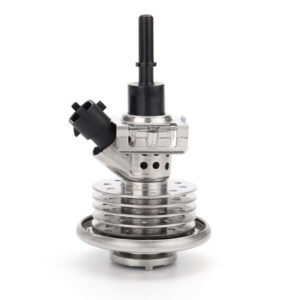
The Ultimate Guide to AdBlue Injectors: Buying, Maintenance, and More
Understanding AdBlue Injectors
AdBlue® injectors are integral components of the diesel vehicle emissions control system, specifically designed to regulate the injection of AdBlue®, a urea-based solution utilized in Selective Catalytic Reduction (SCR) systems. These injectors ensure that AdBlue® is delivered accurately into the exhaust stream at specified rates. This process converts harmful nitrogen oxides (NOx) into harmless nitrogen and water vapor, significantly lowering emissions.
Within the SCR system, the injector atomizes the AdBlue® solution, promoting efficient mixing with exhaust gases. This atomization enhances the chemical reaction, improving system performance. Importantly, the injector’s operation is closely monitored by the vehicle’s Engine Control Unit (ECU), which tracks various parameters to ensure correct dosage and reliable operation.
The importance of AdBlue® injectors cannot be stressed enough, as effective emissions reduction is crucial not only for meeting strict environmental regulations, but also for sustaining vehicle performance and fuel efficiency. Proper functioning of these injectors prevents the vehicle from entering a limp mode, limiting power and speed to meet emissions standards.
- Key Functions of AdBlue® Injectors:
- Precise dosing of AdBlue® into the exhaust stream
- Enhancing the efficiency of the SCR process
- Supporting compliance with environmental regulations
In summary, AdBlue® injectors are fundamental to the emission control system in diesel vehicles. Their efficient operation reduces harmful pollutants while ensuring regulatory compliance and optimal vehicle performance.
How to Choose the Right AdBlue Injector
Selecting the correct AdBlue® injector for your vehicle is essential for maximizing your diesel engine’s performance and the SCR (Selective Catalytic Reduction) system. Here are some key factors to consider before making your decision:
- Vehicle Compatibility: Verify that the injector is suitable for your specific make and model, including compatibility with your vehicle’s SCR system. Using an incorrect injector may result in suboptimal performance and expensive repairs.
- Application: Different vehicles have unique demands based on their use—whether they are commercial trucks, passenger vehicles, or agricultural machinery. Understanding the application of your vehicle will help you choose a suitable injector that can handle the expected load and conditions.
- Specifications: Pay attention to critical specifications such as flow rate and dimensions. These factors ensure that the injector can deliver the appropriate amount of AdBlue® into the exhaust stream. An injector that fails to meet the required flow rate could compromise emissions control.
In addition to these considerations, conducting a compatibility assessment is crucial. Use the following checklist to evaluate your needs:
- Check the vehicle’s service manual for recommended injector specifications.
- Look for OEM (Original Equipment Manufacturer) recommendations or opt for a genuine part.
- Consider the operating environment; extreme conditions may necessitate more robust injector options.
- Review user feedback and professional recommendations from trusted sources.
By thoughtfully considering these factors and utilizing the checklist, you can make an informed decision, ensuring that your AdBlue® injector operates effectively, prolonging the life of your vehicle’s SCR system and maintaining compliance with emission standards.
AdBlue Injector Comparison Table
When selecting the right AdBlue® injector for your vehicle or machinery, it is important to compare features, specifications, and pricing. Below is a comparison table showcasing some of the most popular AdBlue® injectors available on the market. This reference will help you understand the differences and make an informed decision based on your requirements and budget.
| Model | Compatibility | Flow Rate (L/h) | Dimensions (mm) | Price ($) | Purchase Options |
|---|---|---|---|---|---|
| Injector A | Universal | 2.5 | 150 x 60 | 120 | Buy Now |
| Injector B | Brand X | 3.0 | 160 x 65 | 145 | Buy Now |
| Injector C | Brand Y | 2.8 | 155 x 63 | 135 | Buy Now |
| Injector D | Brand Z | 3.2 | 158 x 62 | 150 | Buy Now |
This table presents a selection of injectors tailored to various requirements. As you assess these options, consider factors such as compatibility with your vehicle model, flow rates that suit your emissions control strategy, and pricing that accommodates your budget. This approach will help you select the ideal AdBlue® injector for your needs.
Installation and Maintenance of AdBlue Injectors
Proper installation and regular maintenance of AdBlue® injectors are vital for achieving optimal performance and extending the lifespan of your emissions control system. Follow these detailed steps to effectively install and maintain your AdBlue® injector.
Installation Steps:
- Gather all necessary tools, including a socket set, screwdrivers, and a torque wrench. Ensure you have a clean working environment to avoid contamination.
- Turn off the engine and disconnect the battery for safety during installation.
- Locate the AdBlue® injector, typically positioned near the SCR (Selective Catalytic Reduction) system. Refer to your vehicle’s service manual for specific locations.
- Carefully remove the old injector, noting any clamps or connectors that need detaching.
- Install the new AdBlue® injector by securing it in place and connecting any hoses or electrical connectors, ensuring that all connections are tight to prevent leaks.
- Reconnect the battery and start the vehicle to verify proper operation. During this initial run, check for error codes or leaks.
Routine Maintenance Practices:
- Inspect the AdBlue® injector every 10,000 kilometers or as recommended by the manufacturer.
- Regularly check the AdBlue® fluid level, topping it up to ensure the system operates smoothly.
- Keep the area around the injector clean to inhibit dirt or debris from entering the system.
Common Mistakes to Avoid:
- Neglecting to disconnect the battery during installation can lead to electrical shorts.
- Over-tightening connections may cause cracks or damage to the injector.
- Using the incorrect type of AdBlue® fluid can harm the injector.
Adhering to these installation and maintenance guidelines will help ensure that your AdBlue® injector operates optimally, thereby contributing to cleaner emissions and compliance with environmental regulations.
Troubleshooting AdBlue Injector Issues
Knowing how to troubleshoot AdBlue® injector issues can save you time and money, keeping your diesel engine running efficiently. Here are common symptoms of a failing injector and steps to diagnose and resolve problems.
Symptoms of a Failing Injector:
- Engine warning lights indicating AdBlue® system failure.
- Reduced engine power or acceleration issues.
- Frequent topping up of AdBlue® fluid, suggesting a leak.
- Increased emissions, failing emissions tests, or a non-responsive after-treatment system.
Steps to Diagnose Issues and Tips for Troubleshooting:
- Check the AdBlue® fluid level: Ensure the tank is filled, as low levels can trigger warning lights.
- Inspect for leaks: Look for visible leaks around the injector and hoses.
- Scan for error codes: Use a diagnostic tool to retrieve fault codes associated with the AdBlue® system, such as P20E8 (AdBlue® efficiency too low) or P205A (NOx sensor circuit range/performance problem).
- Examine the injector: Clean or replace the injector if you observe excessive buildup or damage.
- Check wiring and connections: Inspect electrical connections for corrosion or damage that could impair functionality.
When to Seek Professional Help: If, after troubleshooting, the issue continues, it’s advisable to consult a professional. Persisting error codes or engine performance issues may indicate underlying problems that necessitate specialized equipment and expertise.
Proactively managing your AdBlue® system can enhance vehicle performance and reliability. Keep this troubleshooting checklist available for quick reference.
Frequently Asked Questions (People Also Ask)
Various questions arise concerning AdBlue® injectors, particularly regarding their operation, maintenance, and compatibility. Below are answers to some of the most frequently asked questions to help you better understand your AdBlue® system.
- What are the signs of a failing AdBlue® injector? Common indicators include poor engine performance, an increase in nitrogen oxide (NOx) emissions, and the activation of warning lights on your vehicle’s dashboard. A reduction in fuel efficiency or frequent limp mode activations may necessitate an evaluation of your injector.
- Can I use generic AdBlue® fluid with my injector? While many generic AdBlue® fluids exist, ensuring they meet the ISO 22241 standard is paramount. Using non-compliant fluid may damage the injector and potentially void your warranty.
- How often should I replace my AdBlue® injector? Generally, AdBlue® injectors last about 100,000 to 150,000 kilometers, but this can vary based on driving conditions and maintenance practices. Regular inspections can extend their lifespan.
- What maintenance does my injector require? Routine maintenance should involve cleaning the injector and checking for blockages in the fluid lines. Maintaining the AdBlue® tank with high-quality fluid will also support optimal performance.
- How much does it cost to replace an AdBlue® injector? The cost of replacing an AdBlue® injector typically ranges from $200 to $1,000, depending on the vehicle make and model. Labor charges may further increase the total cost, so it is wise to consult with a certified technician.
- What should I do if my AdBlue® system is malfunctioning? If you suspect a malfunction, it is advisable to consult with a qualified mechanic for diagnosis. Ignoring problems can lead to further damage and non-compliance with emissions regulations.