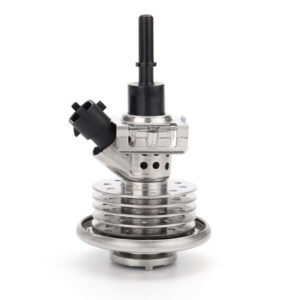
Remove & Prevent Diesel DEF Crystals: A Complete Guide
Understanding Diesel DEF Crystals
Diesel Exhaust Fluid (DEF) is an essential component used in modern diesel engines to reduce nitrogen oxide (NOx) emissions, thereby contributing to cleaner air. DEF is a non-toxic solution composed of 32.5% urea and 67.5% deionized water. It is important to understand the characteristics of DEF and the potential problems stemming from its crystallization to maintain optimal engine performance.
DEF crystals form under specific conditions that promote evaporation or changes in concentration, resulting in solidified urea. The common causes of DEF crystallization include:
- Temperature Fluctuations: Exposure to temperatures below the freezing point of DEF (approximately -11 degrees Celsius or 12 degrees Fahrenheit) can lead to ice formation. Upon thawing, this can cause concentrated urea and crystallization.
- Contamination: Introducing contaminants such as dirt, fuel, or other chemicals can disturb the chemical composition of DEF, potentially leading to reactions that precipitate crystallization.
- Improper Storage: Storing DEF in areas with extreme temperatures or direct sunlight can adversely affect its integrity, increasing the risk of crystallization.
The consequences of DEF crystallization can be significant. Crystals can block lines and filters, resulting in restricted fluid flow and engine derating, where the engine operates with reduced power. This not only undermines emission control but also affects the diesel engine’s overall efficiency, leading to higher operational costs and potential damage to engine components. Therefore, regularly monitoring and carefully handling DEF can help mitigate these risks, ensuring that diesel systems function smoothly and effectively.
How to Remove Diesel DEF Crystals
Diesel Exhaust Fluid (DEF) crystals can create serious problems in your vehicle’s emissions system; however, their removal is manageable with the right approach. Follow these detailed steps to effectively clean DEF crystals from your system.
Tools and Supplies Needed:
- Clean water (preferably distilled)
- Soft-bristle brush or scrub pad
- Pail or bucket
- Protective gloves
- Safety goggles
- Non-corrosive cleaning solution (if necessary)
Step-by-Step Cleaning Procedure:
- Safety First: Always wear protective gloves and safety goggles to prevent direct contact with DEF or cleaning solutions.
- Drain the System: Start by draining any residual DEF from the tank. Ensure the vehicle is turned off and cool to avoid any accidents.
- Rinse with Water: Fill a pail with clean, distilled water and use it to rinse the areas where DEF crystals are present.
- Scrubbing: Utilize a soft-bristle brush or scrub pad to gently dislodge any stubborn crystals. Be cautious to avoid damaging sensitive components.
- Use Cleaning Solution (if needed): If crystals persist, apply a non-corrosive cleaning solution according to the manufacturer’s instructions, then rinse thoroughly after use.
- Final Rinse: After completing all cleaning, perform a final rinse with clean water to eliminate any remaining residues or cleaning agents.
- Dry the System: Ensure all components are completely dry before refilling with fresh DEF.
Safety Precautions: Always ensure adequate ventilation while cleaning. Avoid skin and mouth contact, and store cleaning supplies in a safe place away from children and pets.
By following these steps, you can effectively eliminate DEF crystals and keep your diesel vehicle’s emissions system in optimal condition.
Preventing Diesel DEF Crystals from Forming
Preventing Diesel Exhaust Fluid (DEF) crystals is essential for optimal engine performance and compliance with emission standards. To achieve the best results, consider these best practices and tips to reduce the risk of crystallization.
Best Practices for DEF Storage:
- Temperature Control: Store DEF in a cool, well-ventilated space away from direct sunlight, ideally between 50°F and 77°F (10°C to 25°C). Elevated temperatures can hasten the crystallization process.
- Container Type: Utilize only containers specifically approved for DEF storage, typically made of high-density polyethylene (HDPE). This minimizes the risk of contamination and extends shelf life.
Maintenance Tips:
- Routine Checks: Regularly inspect DEF containers for signs of crystallization, leaks, or degradation. Verify the expiration date and ensure older stock is used first.
- Monitor Levels: Keep track of DEF levels in your equipment. Low levels can lead to deterioration due to insufficient circulation, increasing the risk of crystallization.
Recommended Products:
- DEF Conditioners: Consider using commercial DEF additives that help maintain fluid integrity and prevent crystallization during long-term storage.
- Thermal Regulation Systems: Invest in temperature control solutions for DEF storage areas to maintain the suggested temperature range, especially in extreme climates.
Checklist of Maintenance Practices:
- Regularly check storage temperatures.
- Inspect containers for integrity and cleanliness.
- Rotate stock by using older DEF first.
- Monitor DEF levels in equipment.
By following these practices, you can substantially diminish the chances of DEF crystals forming, ensuring that your diesel-powered equipment functions efficiently and effectively.
Comparison of DEF Cleaning Products and Methods
Effectively managing and removing Diesel Exhaust Fluid (DEF) crystals requires understanding the various cleaning products and methods available, each with its distinct benefits and drawbacks. Assessing their effectiveness, ease of use, and safety considerations is vital for optimal diesel system maintenance.
Some popular DEF cleaning products include:
- DEF Cleanser Solution A: This solution is recognized for its robust anti-crystal properties and can dissolve DEF blockages rapidly. User feedback highlights its effectiveness in both light and heavy-duty applications.
- DEF Cleaning Tablets: Convenient and user-friendly, these tablets are designed to break down crystals when added to the DEF tank. While users often appreciate their portability and ease of use, some may find that multiple applications are necessary.
- Pressure Washer Kits: These tools utilize pressurized fluid to clear DEF obstructions. Users value their thorough cleaning capabilities but express concern regarding potential damage to fuel systems if misused.
When evaluating different cleaning methods, consider several important factors:
- Effectiveness: Product effectiveness varies; liquid cleaners typically act faster than tablets, which may require longer application times.
- Ease of Use: While chemical solutions may demand careful handling, cleaning tablets offer a straightforward “drop-and-go” method that is accessible for most operators.
- Safety: Selecting DEF cleaning products compliant with industry standards is crucial, as some options may contain harmful chemicals that pose risks during application.
Ultimately, the choice of the right DEF cleaning product or method depends on your specific needs, including the severity of the DEF crystal issue, your budget, and your comfort level with handling chemicals. To aid in decision-making, the table below summarizes product effectiveness, costs, and user reviews:
| Product | Effectiveness | Cost | User Reviews |
|---|---|---|---|
| DEF Cleanser Solution A | High | $$$ | Very Positive |
| DEF Cleaning Tablets | Moderate | $$ | Positive |
| Pressure Washer Kit | High | $$$$ | Mixed |
Buying Guide for DEF Maintenance Products
Selecting the right maintenance products for your diesel exhaust fluid (DEF) system is essential for preserving its integrity. Here are key features to consider before making a purchase:
- Quality Certifications: Look for products that have met industry standards and certifications, ensuring they align with the required quality and performance criteria.
- Compatibility: Confirm that the product is compatible with your specific DEF system. Always check the manufacturer’s recommendations to avoid potential issues.
- Shelf Life: DEF products generally have a limited shelf life. Check expiration dates and choose ones with a longer shelf life to maximize usability.
Your needs may vary based on how frequently you use DEF. Therefore, consider the following recommendations for different user categories:
- Casual Users: If you use DEF infrequently, opt for smaller packages with clear labeling regarding shelf life and compatibility.
- Heavy-Duty Users: For commercial or heavy-duty applications, consider bulk purchases of DEF maintenance products that focus on enhanced performance, longer shelf life, and bulk storage solutions.
To assist you further, here is a quick checklist for selecting DEF products:
- Verify quality certifications.
- Ensure compatibility with your DEF system.
- Check shelf life and expiration date.
- Assess packaging size based on your usage needs.
- Review customer ratings and feedback for real-world performance insights.
By adhering to these guidelines, you can ensure that your purchases contribute to the efficient maintenance of your DEF system, preventing crystallization issues and preserving the efficacy of your diesel engine.
Frequently Asked Questions (People Also Ask)
Understanding Diesel Exhaust Fluid (DEF) crystallization is vital for proper engine maintenance. Here, we address some common questions related to DEF crystals:
- What causes DEF crystals to form?
DEF crystals generally form when the fluid encounters extreme temperatures, whether excessively hot or cold. Additionally, prolonged storage or the presence of contaminants can accelerate crystallization. - How often should I clean DEF crystals?
It is recommended to inspect and clean DEF crystals whenever buildup is observed, particularly during routine maintenance checks or every 1,000 miles of operation. - Can I use any fluid instead of DEF?
No, only certified DEF should be utilized. Using alternative fluids can cause severe engine damage and may void your warranty. - What are the signs of crystallized DEF?
Common indicators include visible white crystals in the DEF tank, diminished engine performance, and dashboard warning lights linked to the after-treatment system. - How can crystallized DEF damage my engine?
Crystallized DEF can clog fuel lines, filters, and injectors, potentially resulting in engine misfires or complete failure of the after-treatment system. - What are the proper disposal methods for DEF products?
DEF can be disposed of safely by following local regulations. Typically, it can be diluted with water and poured down a drain, but always consult local environmental guidelines first.