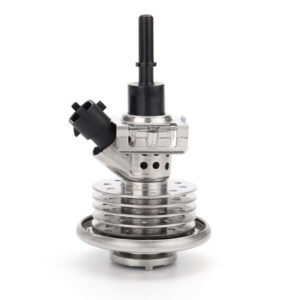
Comprehensive Guide to Urea Injectors for Diesel Engines
Understanding Urea Injectors
Urea injectors play a vital role in modern diesel engines, primarily focusing on emissions control. Their main purpose is to inject a urea solution, known as diesel exhaust fluid (DEF), into the exhaust stream. This is crucial for the selective catalytic reduction (SCR) system, which significantly decreases harmful nitrogen oxides (NOx) emissions generated during combustion.
The SCR process starts when the urea solution enters the exhaust gases. At elevated temperatures within the exhaust system, the urea decomposes into ammonia, which then reacts with NOx in the presence of a catalyst. This chemical reaction converts NOx into harmless nitrogen and water vapor, ensuring that emissions align with regulatory standards. This mechanism assists manufacturers in adhering to environmental regulations while improving the overall efficiency of diesel engines.
Proper urea injection is essential for maximizing NOx reduction. A malfunctioning urea injector or inadequate DEF supply can render the SCR system ineffective, resulting in elevated emissions and potential engine performance issues. Additionally, correct calibration and maintenance of the urea injector are critical for optimal performance. Regular inspections can avert costly repairs and maintain engine operation within eco-friendly margins.
In a world where environmental compliance is paramount, recognizing the significance of urea injectors in diesel engines is crucial for manufacturers, fleet operators, and end-users. With their essential role in the SCR process, urea injectors significantly contribute to improving air quality by minimizing NOx emissions.
How to Choose the Right Urea Injector
Selecting the right urea injector for your diesel engine is vital for optimal performance and emissions compliance. Several factors should be considered when making this decision, and understanding these aspects will help you make an informed choice.
- Compatibility: Ensure the injector matches your vehicle’s make and model. OEM injectors are specifically designed for your vehicle, while aftermarket alternatives may offer options that require verification of compatibility.
- Performance Metrics: Evaluate the performance ratings of various injectors, focusing on flow rate and durability. Higher-quality injectors can enhance the efficiency of the urea injection system, resulting in improved fuel economy and reduced emissions.
- Budget Considerations: Prices can vary significantly between OEM and aftermarket injectors. Establish your budget while emphasizing quality, as poor injector performance can lead to larger expenses in repairs and increased emissions over time.
When weighing OEM and aftermarket alternatives, note that OEM injectors generally ensure better compatibility and reliability, while aftermarket injectors might present cost savings and additional features. Conducting thorough research is critical to guarantee that any aftermarket choice meets or surpasses OEM standards.
Finally, consider the specific requirements of your vehicle. Some engines necessitate injectors that can endure higher pressures or feature specialized coatings to avoid wear. Consulting your vehicle’s service manual or a professional mechanic will provide insights customized to your engine.
To streamline your selection process, refer to the following checklist:
- Confirm vehicle make and model compatibility
- Assess performance metrics and specifications
- Compare OEM and aftermarket options
- Evaluate long-term costs and budget
- Seek professional advice if necessary
Considering these factors will better equip you to select the right urea injector that meets your diesel engine’s needs.
Comparing Urea Injectors
Recognizing the differences among urea injectors can significantly influence your decision-making process when choosing the right component for diesel engines. To assist in this comparison, we will examine key specifications, along with the advantages and disadvantages of leading urea injector models.
| Brand/Model | Flow Rate (L/hr) | Durability (Cycles) | Price (USD) | Customer Rating |
|---|---|---|---|---|
| Brand A – Model X | 12 | 1,000,000 | $300 | 4.5 |
| Brand B – Model Y | 10 | 800,000 | $250 | 4.0 |
| Brand C – Model Z | 15 | 900,000 | $350 | 4.8 |
When assessing these models, several key factors emerge:
- Flow Rate: Higher flow rates, such as those from Brand C’s Model Z, can lead to improved performance in certain diesel applications, while lower rates can still be effective and economical.
- Durability: Brand A’s Model X is notable for its high cycle lifespan, resulting in extended service intervals and reduced replacement frequency, an important consideration for fleet managers.
- Price: Cost-effectiveness is crucial; Brand B’s Model Y provides competitive pricing with satisfactory performance, making it an excellent option for budget-conscious buyers.
- Customer Reviews: Ratings reflect overall user satisfaction, with Brand C’s Model Z achieving the highest score, indicating reliable performance and minimal issues.
In summary, comparing these specifications against your unique operational requirements will guide you in selecting the most suitable urea injector for diesel engines, ensuring optimal performance and financial efficiency.
Installation and Maintenance Guide
Installing and maintaining urea injectors is essential for optimizing the performance of diesel engines utilizing Selective Catalytic Reduction (SCR) technology. By following the correct procedures, you can ensure successful installation and prolong the lifespan of your urea injector.
Installation Instructions
Before beginning the installation, gather the following essential tools:
- Socket set
- Wrench set
- Screwdriver set
- Torque wrench
- Safety goggles and gloves
Step-by-step installation:
- Ensure the engine is turned off and entirely cooled down.
- Locate the existing urea injector, typically near the SCR system.
- Disconnect the electrical connectors and urea supply lines from the old injector.
- Remove the mounting bolts with the appropriate socket size, then carefully take out the old injector.
- Install the new injector by reversing the removal process, ensuring that gaskets are properly seated to avoid leaks.
- Reconnect the urea supply lines and electrical connectors securely.
- Torque all bolts according to the manufacturer’s specifications.
- Conduct a final inspection to ensure all connections are secure.
Maintenance Tips
To extend the lifespan of your urea injector, adhere to these maintenance practices:
- Regularly inspect for leaks at connections and monitor the injector for signs of wear.
- Flush the SCR system periodically to eliminate any buildup or contaminants.
- Utilize high-quality urea solution to prevent injector clogs.
- Keep the injector and surrounding area clean to avoid corrosion and damage.
By following these installation and maintenance guidelines, you can ensure the effective operation of your urea injector, maintaining optimal performance for your diesel engine.
Troubleshooting Common Urea Injector Issues
Urea injectors are essential for the proper functioning of diesel engines equipped with Selective Catalytic Reduction (SCR) systems. However, they can encounter issues like any component. Recognizing the signs of a malfunctioning urea injector is crucial for prompt troubleshooting.
- Signs of a Failing Urea Injector:
- Reduced engine performance or power.
- Increased exhaust emissions, including noticeable smoke.
- Frequent check engine light activations.
- Erratic or poor fuel economy.
- Urea odor detectable near the exhaust.
Troubleshooting Steps for Common Issues:
- Step 1: Use an OBD-II scanner to check for diagnostic trouble codes (DTCs). Codes related to the urea system can pinpoint specific problems.
- Step 2: Inspect the urea injector for visible physical damage, such as cracks or corrosion.
- Step 3: Ensure the urea tank is filled with the proper solution, as low or contaminated urea can lead to injector malfunction.
- Step 4: Clean any clogs or blockages in the injector and surrounding lines. Replace any damaged seals or gaskets.
- Step 5: If issues persist, perform a pressure test to check for leaks in the urea delivery system.
Resources for Professional Assistance: If troubleshooting does not resolve the issue, consult a trained professional or an authorized service center. Their specialized equipment and expertise ensure accurate diagnosis and repair.
FAQ
- What should I do if my check engine light is on? Run a diagnostic scan to identify DTCs and follow the troubleshooting steps based on the codes.
- Can I clean a urea injector myself? While cleaning is feasible, consulting the manufacturer’s instructions or a professional is recommended for optimal results.
Future of Urea Injectors in Diesel Technology
The future of urea injectors in diesel technology promises significant advancements focused on improving efficiency and decreasing emissions. Recognizing these emerging trends is vital to navigate the evolving technology landscape.
- Innovations in Urea Injection Systems: New-generation urea injectors are being designed with advanced atomization techniques and real-time sensors that optimize the injection process. These innovations ensure precise urea dosages, enhancing the reduction of nitrogen oxides (NOx) while minimizing urea consumption.
- Regulatory Trends: As global emissions regulations tighten, manufacturers are innovating technologies that comply without compromising performance. Advanced urea systems offer better performance under varying operational conditions, accommodating diverse diesel engine applications.
- Sustainability Initiatives: The pursuit of sustainable technology is shaping the development of urea injectors. Manufacturers are researching eco-friendly materials and production methods to lessen carbon footprints. Furthermore, advances in urea system efficiency contribute to the overall sustainability of diesel engines, allowing them to meet compliance without major overhauls.
Moreover, there is an increasing focus on research into alternative and bio-based urea solutions, which could lead to new formulations that achieve even lower emissions and align with the global drive toward greener technologies. As these trends unfold, the landscape for urea injectors will reflect a commitment to innovation and sustainability, ultimately enhancing diesel engine efficiency and environmental performance.
Frequently Asked Questions
Grasping the functionality of urea injectors is essential for anyone operating diesel engines equipped with Selective Catalytic Reduction (SCR) systems. Here are some common questions regarding urea injectors:
- How does a urea injector work?
A urea injector atomizes diesel exhaust fluid (DEF), injecting it into the exhaust stream. This process facilitates a chemical reaction within the SCR system, converting harmful nitrogen oxides (NOx) into harmless nitrogen and water vapor. - How often should I replace my urea injector?
The lifespan of a urea injector can vary, but typically it is advised to inspect it during regular maintenance. Replacement is generally recommended every 80,000 to 120,000 miles, or sooner if performance issues arise. - What are the symptoms of a failing urea injector?
Signs of a failing urea injector could include increased NOx emissions, reduced engine performance, dashboard warning lights, and notable exhaust odor or discoloration. - Can I install a urea injector myself, or should I hire a professional?
While skilled DIY enthusiasts might manage urea injector installation, hiring a professional mechanic is often the best approach. Proper installation is crucial for efficiency and compliance with emissions regulations. - What is the average cost of a urea injector?
Prices for a urea injector generally range from $100 to $300, depending on the vehicle’s make and model. Additionally, consider potential installation labor costs if hiring a professional. - Do aftermarket urea injectors perform as well as OEM injectors?
Aftermarket urea injectors can provide competitive performance but may differ in quality. It’s essential to purchase from reputable manufacturers to ensure compatibility and reliability.