Understanding DEF Injector Replacement Costs: A Comprehensive Guide
Overview of DEF Injectors
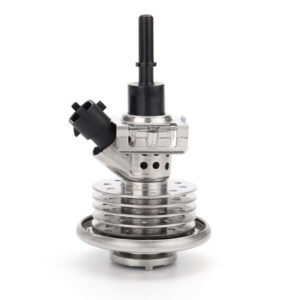
Diesel Exhaust Fluid (DEF) injectors are essential components in modern diesel emissions control systems. They are tasked with the precise injection of a urea-based solution, known as DEF, into the exhaust stream of diesel engines. This process facilitates a chemical reaction that converts harmful nitrogen oxides (NOx) into harmless nitrogen and water vapor, significantly diminishing the environmental impact of diesel emissions.
The significance of DEF injectors is critical in ensuring vehicle emissions compliance. With increasingly stringent diesel emissions regulations, particularly for heavy-duty vehicles, maintaining a functioning DEF injector is vital for meeting these standards. Neglecting the maintenance or replacement of a faulty DEF injector can result in increased emissions, potential fines, or even operational restrictions on the vehicle. Furthermore, DEF is crucial for the effective performance of Selective Catalytic Reduction (SCR) systems designed to minimize NOx emissions.
DEF injectors operate in tandem with the vehicle’s onboard computer system, which regulates the timing and volume of DEF injection. The process initiates when the engine management system detects a need for DEF based on various factors such as engine load and temperature. The injector atomizes the DEF solution, ensuring proper mixing with the exhaust gases, which then pass through the SCR catalyst where the chemical transformation occurs, converting harmful emissions into less harmful byproducts.
Grasping the function and operation of DEF injectors is vital for vehicle owners and operators, particularly those depending on diesel engines for commercial use. This understanding serves as a foundation for making informed maintenance decisions, especially regarding replacement costs.
Average Costs of DEF Injector Replacement
Replacing DEF injectors is an important maintenance task for diesel vehicles to guarantee optimal engine performance and adherence to emissions regulations. Familiarizing yourself with the average replacement costs enables vehicle owners to budget effectively.
On average, the cost of DEF injector replacement varies significantly based on several factors:
- Parts Costs: DEF injectors typically range from $50 to $300 per unit, influenced by the vehicle’s make and model, with high-performance or specialized vehicles incurring higher expenses.
- Labor Costs: Professional installation labor costs usually range from $100 to $200 per hour. With most replacements taking about 2 to 3 hours, labor costs can amount to approximately $200 to $600.
- Geographic Variations: The service center’s location can impact overall costs. Urban areas often have higher labor rates than rural locations, with averages differing by as much as 25% depending on the region.
- Vehicle Model and Service Type: Luxury or heavy-duty vehicles may require specialized parts, resulting in higher costs. Opting for a dealership instead of an independent mechanic can also elevate expenses.
For reference, here is a brief overview of cost ranges based on service type:
| Service Type | Cost Range |
|---|---|
| DIY Replacement | $50 – $300 |
| Professional Replacement | $400 – $900 |
In conclusion, the total cost of DEF injector replacement can vary widely, with most vehicle owners facing costs around $400 to $900 for professional service. Being aware of these factors aids in making informed decisions and managing maintenance budgets effectively, particularly when identifying potential signs of injector failure.
Signs Your DEF Injector Needs Replacement
Identifying the signs of a failing Diesel Exhaust Fluid (DEF) injector is essential for sustaining the efficiency and performance of your diesel engine. DEF injectors are pivotal in the selective catalytic reduction (SCR) process, and their malfunction can manifest through various symptoms. Recognizing these indicators can help you resolve issues before they develop into costly repairs.
Common symptoms of DEF injector failure include:
- Warning Lights: A check engine light or a specific DEF warning light on your dashboard may indicate injector issues.
- Decreased Performance: A discernible reduction in engine power or acceleration can suggest that the DEF injector is not functioning effectively.
- Increased Emissions: If your vehicle is emitting excessive nitrogen oxides (NOx) or encountering a pollution control warning, the DEF injector might be malfunctioning.
- Fluid Leaks: Visible leaks around the DEF injector can signal a failure and should be addressed promptly.
- Frequent Regenerations: An increased frequency of engine regeneration cycles may indicate a problem with the DEF injector.
Neglecting these symptoms can lead to dire consequences, including further engine damage, higher repair costs, and potential violations of emissions regulations. Moreover, prolonged negligence can reduce engine efficiency and increase fuel consumption.
Timely maintenance and replacement of the DEF injector can mitigate these risks, ensuring your vehicle operates seamlessly and meets emissions standards. Regular inspections and proactive replacements will save time and money in the future. To help you monitor the condition of your DEF injector, consider the following checklist:
- Monitor dashboard warning lights
- Pay attention to engine performance and response
- Inspect for fluid leaks regularly
- Note any changes in emission levels or engine behavior
By remaining vigilant and addressing issues promptly, you can maintain the efficient and economic operation of your diesel vehicle, which is crucial for overall vehicle health.
Comparison of DIY vs. Professional Replacement Costs
When contemplating DEF injector replacement, vehicle owners often face the important decision of whether to perform the task themselves or to hire a professional. Each option comes with distinct advantages and disadvantages that affect overall costs and results.
A notable benefit of a DIY replacement is the cost savings. Typically, the average cost for professional DEF injector replacement ranges from $600 to $1,200, which includes labor and parts. Conversely, executing the replacement yourself can lower expenses to roughly $250 to $400, primarily covering the cost of the injectors if done correctly.
Nonetheless, the DIY approach has its challenges. It requires a certain level of mechanical skill, access to the proper tools, and a time commitment. Essential tools may include a torque wrench, ratchet set, and specialty tools specific to your vehicle model. These necessities can add to the overall cost if they need to be purchased. For those lacking prior experience, misinstalling the injectors could lead to further expenses and possible engine issues.
On the other hand, hiring a professional guarantees a streamlined process, expertise, and warranty protection, which can be invaluable. Although the upfront costs are higher, professionals typically complete the replacement in 2 to 4 hours, while a DIY project can take several hours to an entire day, depending on skill level.
| Factor | DIY Replacement | Professional Replacement |
|---|---|---|
| Average Cost | $250 – $400 | $600 – $1,200 |
| Time Required | 4+ hours | 2 – 4 hours |
| Tools Needed | Torque wrench, ratchet set, specialty tools | None (provided by service) |
| Skill Level | Intermediate | Professional |
Ultimately, the choice between DIY and professional replacement rests on individual skills, available resources, and confidence in handling the complexities of DEF injector replacement. This decision becomes increasingly critical when considering the reliability and performance of the involved components.
Buying Guide for DEF Injectors
When selecting the right DEF (Diesel Exhaust Fluid) injector, several key features should be considered to ensure optimal performance and longevity. This buying guide will assist you in navigating available options and making an informed choice.
Key Features to Consider:
- Compatibility: Always ensure the injector is compatible with your vehicle’s make, model, and year, as using an incompatible injector can lead to system failures and increased costs.
- Quality: Opt for injectors constructed from high-quality materials that can endure extreme temperatures and pressures. Additionally, check for certifications indicating that the product meets industry standards.
- Warranty: A solid warranty can provide peace of mind. It’s wise to select injectors with an extensive warranty period, reflecting the manufacturer’s confidence in their product.
Recommended Brands and Models: Trusted brands in the DEF injector market include Bosch, Delphi, and Denso. Models vary according to engine specifications; consult your vehicle’s manual or a reliable mechanic for specific recommendations.
Where to Purchase: You generally have two main options when acquiring DEF injectors: OEM (Original Equipment Manufacturer) and aftermarket products. OEM injectors usually come at a higher price but guarantee compatibility and reliability. Aftermarket injectors may offer a more cost-effective alternative, but ensure you select reputable, reliable brands.
Checklist for Buying a DEF Injector:
- Confirm compatibility with your vehicle
- Assess the build quality and materials
- Verify warranties and customer support
- Compare prices between OEM and aftermarket choices
- Read reviews and seek recommendations
Keeping these considerations in mind will better equip you to select a DEF injector that meets your needs while enhancing your vehicle’s performance. Making an informed choice now can save you from unnecessary expenses in the future.
Frequently Asked Questions (People Also Ask)
Addressing common inquiries regarding DEF injectors and their replacement can clarify this essential component in diesel engines. Here are some frequently asked questions:
- How often should I replace my DEF injector? Inspect your DEF injector every 30,000 miles; replacement might be needed according to manufacturer guidelines or if performance issues arise.
- What are the risks of a faulty DEF injector? A failing DEF injector can result in diminished vehicle performance, increased emissions, and costly engine damage.
- Can I confidently replace my DEF injector myself? While skilled DIY enthusiasts might manage replacements, it necessitates specialized tools and knowledge. Consulting a professional is advisable if uncertain.
- What should I expect during the replacement process? The process typically involves diagnosing the issue, removing the old injector, and installing a new one, which can take one to three hours, depending on the vehicle.
- How can I maintain my DEF injector to avoid future issues? Regular inspections of the DEF system, high-quality DEF fluid usage, and ensuring a clean fuel system can help maintain your injector’s integrity.
- What are the environmental impacts of a failing DEF injector? A malfunctioning DEF injector can result in elevated nitrogen oxide (NOx) emissions, adversely affecting air quality and environmental health.
For more details on these topics, feel free to explore specific sections within this guide. This comprehensive approach to understanding DEF injectors will assist you in making better maintenance decisions and promoting overall vehicle health.