P218F Reductant System Efficiency: Technical Analysis and Correction
The P218F fault code—defined as “Reductant System Efficiency Below Threshold”—is one of the most complex and challenging diagnostic trouble codes (DTCs) to resolve in modern Selective Catalytic Reduction (SCR) systems. Unlike codes that pinpoint a specific sensor or actuator, P218F is a “calculated” code. It indicates that the Powertrain Control Module (PCM) has determined, through a series of complex algorithms and sensor feedback, that the system is not achieving the necessary reduction in Nitrogen Oxides (NOx). This article provides an in-depth technical examination of the P218F code, the chemical dynamics of the SCR process, and a comprehensive diagnostic strategy for professional technicians.
The Chemistry of SCR Efficiency
To understand why the P218F code triggers, one must first understand the chemical environment inside the SCR catalyst. The efficiency of the system depends on the “Stoichiometric Ratio” of ammonia (NH3) to NOx. Diesel Exhaust Fluid (DEF) is injected into the hot exhaust stream, where it decomposes into ammonia through thermolysis and hydrolysis. This ammonia is then stored on the surface of the SCR catalyst (a process called “Ammonia Loading”). As NOx passes through the catalyst, it reacts with the stored ammonia to form nitrogen (N2) and water (H2O). If the ammonia loading is insufficient, or if the catalyst is physically compromised, the NOx reduction rate will plummet.
The PCM calculates efficiency by comparing the readings from the Inlet NOx Sensor (upstream of the SCR) and the Outlet NOx Sensor (downstream). If the percentage of NOx reduction falls below a calibrated limit (typically 80-90% depending on engine load and ambient temperature), the P218F code is set. Factors that affect this efficiency include the quality of the DEF, the accuracy of the dosing valve, the temperature of the exhaust, and the physical state of the SCR catalyst substrate.
Root Causes of Low Reductant System Efficiency
A P218F code rarely exists in isolation and is often the result of cumulative minor failures rather than a single catastrophic component death. Below are the most frequent contributors, analyzed from a mechanical and chemical perspective.
1. Degraded or Diluted DEF
The most common cause of efficiency codes is the use of substandard Diesel Exhaust Fluid. If the urea concentration is lower than the required 32.5% (due to evaporation of water or intentional dilution), the PCM will command a specific dose, but the resulting ammonia production will be insufficient to neutralize the NOx. This leads to a “calculated” efficiency drop. Contaminants such as minerals from tap water can also coat the catalyst, preventing the chemical reaction from occurring. This is known as “catalyst masking” and is often permanent.
2. DEF Injector Spray Pattern Distortion
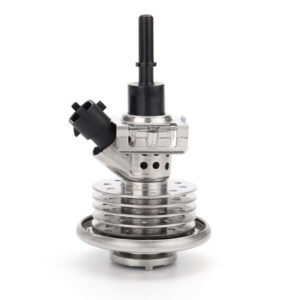
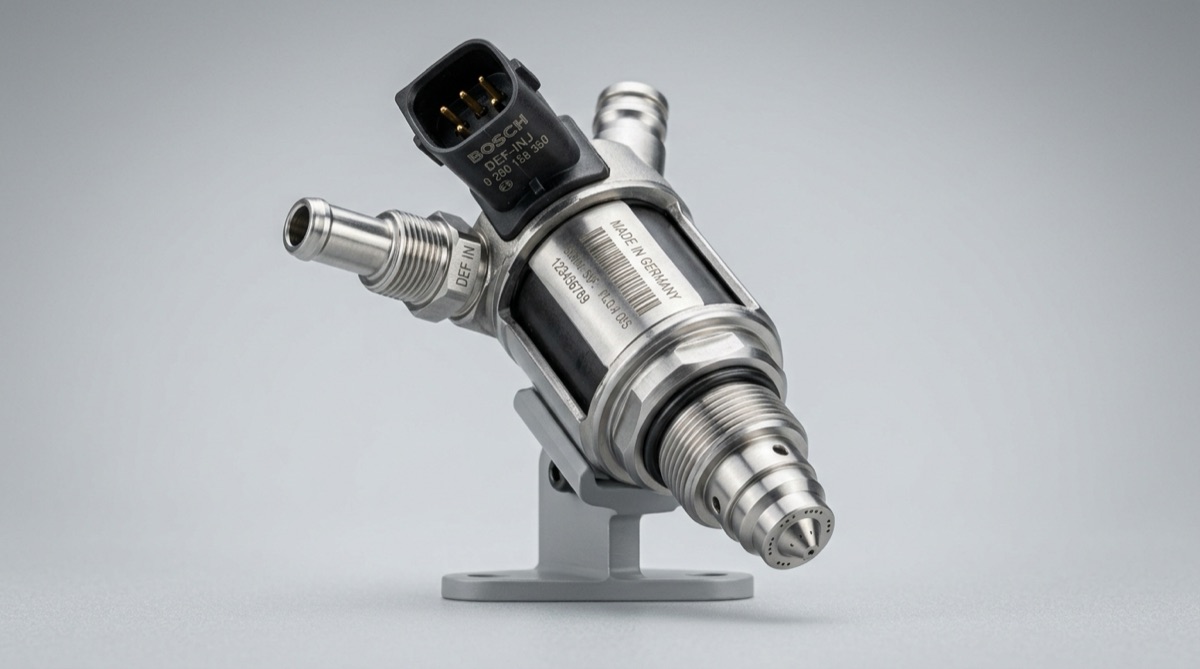
For the DEF to decompose efficiently, it must be finely atomized. If the DEF injector develops a “carbon bridge” or urea crystals at the tip, the spray may become a stream rather than a mist. Large droplets do not evaporate completely, leading to “urea deposits” in the exhaust pipe and a lack of available ammonia for the SCR reaction. This results in poor efficiency readings even if the pump pressure is correct. A distorted spray pattern can also cause localized cooling of the catalyst, which further reduces its chemical activity.
3. SCR Catalyst Poisoning or Aging
Over time, the SCR catalyst can become “poisoned” by sulfur in the fuel, phosphorus from engine oil, or heavy metals. This poisoning reduces the number of active sites available for the ammonia/NOx reaction. Furthermore, excessive heat from failed DPF regenerations can cause thermal degradation of the catalyst substrate, permanently lowering its efficiency. In these cases, even a perfectly functioning dosing system cannot clear the P218F code. It is essential to investigate the upstream components for oil or coolant leaks that could be contributing to catalyst degradation.
Diagnostic and Testing Procedures
Diagnosing P218F requires a systematic approach to rule out simple issues before moving to expensive catalyst replacement. Technicians should rely on live data parameters and specialized service tests.
Step 1: NOx Sensor Verification
The efficiency calculation is only as good as the sensors providing the data. Check for NOx sensor “drift.” A common test is to monitor both sensors during a period of zero dosing (like coasting down a long hill). In a healthy system, the inlet and outlet sensors should read very close to each other when no DEF is being injected and the exhaust has been cleared of residual gases. If the outlet sensor reads significantly higher than the inlet, the sensor itself is likely faulty and providing false “low efficiency” data to the PCM. This is a common failure mode in sensors with over 200,000 miles.
Step 2: Reductant Quality Analysis
Use a digital refractometer to test the DEF in the tank. If the concentration is outside the 32.2% – 32.8% range, the fluid is compromised. Additionally, perform a “Beaker Test” by catching a sample of the DEF and checking for clarity and the absence of oil or diesel odors. Contaminated fluid is a primary trigger for P218F. Even microscopic amounts of diesel fuel can cause a massive efficiency drop as the hydrocarbons coat the SCR catalyst face.
Step 3: Forced SCR Efficiency Test
Most modern diagnostic software (such as Cummins Insite, Ford IDS, or Detroit Diesel DiagnosticLink) offers a “Service SCR Efficiency Test.” During this test, the engine is brought to a high-load, high-temperature state, and a controlled amount of DEF is injected. The scan tool then calculates the actual efficiency in real-time. If the system fails this test, the technician must then determine if the failure is due to low dosing (pump/injector) or low catalyst activity (SCR substrate). This test is the definitive way to confirm if a repair has been successful before returning the vehicle to the customer.
Advanced Repair Strategies
If the injector and fluid quality are confirmed to be within specifications, but the efficiency remains low, several advanced steps can be taken to restore the system’s performance:
- Hydrocarbon Scrub: Perform a high-temperature regeneration to burn off any soot or hydrocarbon deposits that may be masking the SCR catalyst. This is often necessary if the vehicle has a history of DPF issues.
- DEF Dosing Valve Cleaning: Remove the injector and clean the nozzle and the exhaust port with a wire brush and warm deionized water to ensure perfect atomization. Do not use brake cleaner or other petroleum-based solvents.
- Software Updates: Check for PCM calibration updates. Manufacturers often release software fixes that widen the “efficiency window” for older SCR catalysts to prevent nuisance codes. These updates often include improved dosing strategies for cold weather operation.
- Exhaust Leak Inspection: Any air leak between the inlet and outlet NOx sensors can skew the efficiency calculation. Even a pinhole leak at a gasket can allow enough oxygen into the exhaust to fool the NOx sensor.
In the event that the SCR catalyst is physically damaged or poisoned, replacement is the only solution. However, always ensure the root cause of the poisoning (such as an upstream oil leak or poor fuel quality) is addressed to prevent damaging the new catalyst. A new catalyst is a significant investment, and its longevity depends entirely on a healthy engine and dosing system.
Recommended Resources
- Internal Blog: Understanding DEF Crystallization: Causes and Cures
- Product Page: Explore Our SCR Components
- External Resource: DieselNet – Mobile SCR Systems
- External Resource: EPA – Heavy-Duty Highway Engine Standards