P208E Code: Troubleshooting Stuck Closed Reductant Injection Valves
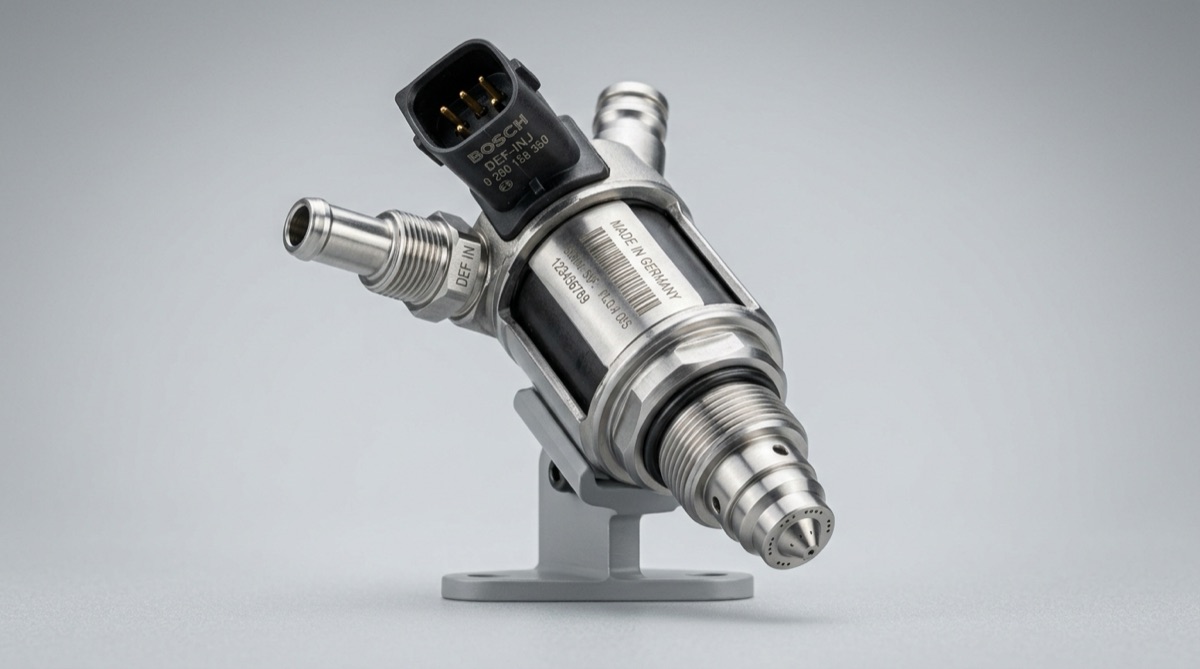
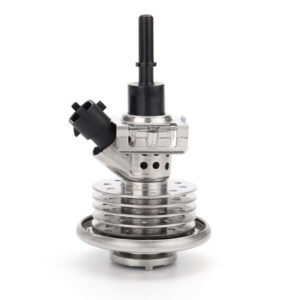
The P208E diagnostic trouble code (DTC) is a critical alert for modern diesel engine operators, specifically those running vehicles equipped with Selective Catalytic Reduction (SCR) systems. This code stands for “Reductant Injection Valve Stuck Closed Bank 1 Unit 1.” Unlike circuit-based codes that indicate electrical failures, the P208E code points toward a mechanical failure where the injector solenoid is incapable of opening, or the nozzle itself is physically blocked. In this technical guide, we will explore the engineering behind the reductant valve, why it fails, and the professional procedures required to restore emissions compliance.
Understanding the Mechanics of the Reductant Injection Valve
The reductant injection valve, commonly referred to as the DEF injector or dosing valve, is a pulse-width modulated (PWM) solenoid. It is responsible for metering the precise amount of Diesel Exhaust Fluid (DEF) into the exhaust stream, where it undergoes thermolysis and hydrolysis to produce ammonia (NH3). This ammonia then reacts with Nitrogen Oxides (NOx) inside the SCR catalyst to form harmless nitrogen gas and water vapor.
The valve operates under high-pressure conditions (typically 5-9 bar) and is exposed to extreme temperatures due to its proximity to the exhaust manifold or downpipe. To prevent the urea in the DEF from crystallizing or “baking” inside the valve, many injectors are either air-cooled or integrated into the engine’s coolant circuit. When the P208E code is triggered, the Powertrain Control Module (PCM) has detected that despite sending an “open” command to the solenoid, the expected drop in line pressure or the expected change in NOx sensor readings did not occur. This detection logic is extremely precise, often capable of identifying a partial blockage before the driver notices any symptoms.
The Physics of “Stuck Closed” Failures
There are several technical reasons why a reductant valve may become stuck in the closed position. Understanding these helps in both diagnosis and preventative maintenance.
1. Internal Solenoid Seizure
The internal plunger of the injector is a precision-machined component with very tight tolerances. If the fluid becomes contaminated with microscopic debris or if the internal lubrication (provided by the DEF itself) fails, the plunger can seize against the valve body. Electrical current may still flow through the coil (preventing a P2047 code), but the magnetic force generated is insufficient to overcome the mechanical friction of the seized plunger. This is often an irreversible failure mode that requires full component replacement.
2. Severe Urea Crystallization (Internal and External)
Urea crystallizes at 132°F (55.5°C) if the water evaporates. If a vehicle is frequently shut down before the “purge” cycle is complete, fluid remains in the injector. The heat from the exhaust then evaporates the water, leaving behind hard urea crystals. These crystals can act like “glue,” holding the valve needle firmly in the seat. This is especially common in vocational trucks that experience frequent stop-and-go cycles or extended idling. Over time, these crystals can bridge the gap between the nozzle and the pintle, creating a physical block that no amount of pressure can dislodge.
3. Debris from Pump or Line Failure
If the DEF pump’s internal seals begin to degrade, or if the supply lines are damaged, small fragments of rubber or plastic can travel downstream and lodge themselves in the injector’s inlet filter or the nozzle seat. Because the injector’s orifices are extremely small (measured in microns), even a tiny particle can prevent the valve from opening or sealing correctly. Regular replacement of the DEF filter is the best way to mitigate this risk.
Professional Diagnostic Protocol for P208E
Diagnosing a stuck closed valve requires a combination of electronic monitoring and physical testing. Follow this step-by-step procedure to isolate the fault and avoid unnecessary part swaps.
Step 1: Evaluation of Line Pressure Data
Connect a diagnostic scan tool and navigate to the SCR/Aftertreatment data stream. Monitor the “Reductant Rail Pressure” while commanding a “Dosing System Leak Test.” If the pump builds pressure to the setpoint (e.g., 5000 hPa) and maintains it without dropping when the injector is commanded to open, you have confirmed that no fluid is leaving the injector. This confirms the “stuck closed” status. Conversely, if the pressure drops but no NOx reduction is observed, the injector may be spraying a stream rather than a mist.
Step 2: Electrical Integrity Check
Before condemning the hardware, verify the solenoid’s electrical health. Disconnect the injector harness and measure the resistance across the solenoid pins using a digital multimeter. Most DEF injectors should have a resistance between 10 and 20 ohms, depending on the manufacturer (e.g., Bosch, Cummins, or Detroit). If the resistance is within spec, the failure is purely mechanical. A resistance value of zero indicates a shorted coil, while a value of infinity indicates an open circuit.
Step 3: Physical Flow and Spray Pattern Test
Remove the injector from the exhaust pipe but leave the fluid line and electrical connector attached. Place the injector into a graduated cylinder. Use the scan tool to perform an “Overnight Soak” or “Dosing Quantity Test.” Observe the nozzle. If no fluid emerges, the valve is stuck. If fluid emerges but in a stream rather than a mist, the valve is partially blocked and will eventually trigger a performance code if not replaced. A healthy injector should produce a distinct “click” sound each time the solenoid is energized.
The Importance of the Purge Cycle
Modern SCR systems are designed to purge the lines after every key-off event. The pump runs in reverse, sucking all fluid out of the injector and supply lines and returning it to the tank. This prevents fluid from freezing in the winter and prevents crystallization during hot soak events. If a driver consistently disconnects the battery or uses a battery disconnect switch immediately after shutting down the engine, they are preventing this purge cycle from occurring. This is one of the leading operational causes of P208E codes in fleet environments.
Repair Solutions and Prevention
In almost all cases of a P208E code, the recommended repair is the replacement of the reductant injection valve. While some technicians attempt to soak the injector in warm deionized water to dissolve crystals, this rarely addresses internal solenoid seizure or damage to the valve seat. Once the valve is replaced, a “Reset SCR Adaptive Learned Values” procedure must be performed via the scan tool to allow the PCM to calibrate to the new component’s flow characteristics. Failure to perform this reset can lead to incorrect dosing and subsequent efficiency codes.
To prevent recurrence, ensure the following:
- Quality DEF: Only use API-certified Diesel Exhaust Fluid that meets the ISO 22241 standard.
- System Purging: Never disconnect the battery immediately after turning off the engine; allow the 30-120 second purge cycle to finish completely.
- Filter Maintenance: Replace the DEF pump filter at the manufacturer’s recommended intervals (usually every 150,000 to 300,000 miles).
- Operational Training: Educate drivers on the importance of the exhaust system’s cool-down and purge phases.
Recommended Resources
- Internal Blog: Understanding DEF Crystallization: Causes and Cures
- Product Page: Buy Replacement DEF Injectors
- External Resource: ISO 22241-1: Diesel engines — NOx reduction agent AUS 32
- External Resource: DieselNet – Exhaust Emissions Control