DEF Doser vs DEF Injector: What’s the Difference?
If you are researching diesel emissions systems, you have probably seen multiple terms for the same component: DEF doser, DEF injector, reductant injector, diesel exhaust fluid injector, and even DPF doser injector. The terminology is confusing, and parts catalogs do not always make it clear whether these names refer to the same part or different ones.
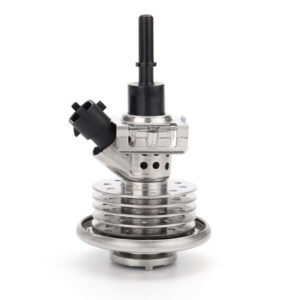
The short answer: A DEF doser injector and a DEF injector are the same component. “Doser” is the technical term used by Cummins, Paccar, and some OEM service manuals. “Injector” is the common term used by aftermarket suppliers, fleet managers, and repair shops. A diesel exhaust fluid injector, a diesel emissions fluid injector, and a DEF fluid injector all describe the same device: a precision nozzle that sprays DEF into the exhaust stream.
The only term that means something slightly different is DPF doser injector. In some older or mixed documentation, this refers to a fuel injector used for DPF regeneration—not a DEF injector at all. This guide explains each term, how the component works, and why the naming confusion exists.
What Is a DEF Doser Injector?
A DEF doser injector is a solenoid-actuated valve with a precision nozzle that atomizes Diesel Exhaust Fluid into microscopic droplets and sprays them into the hot exhaust gas stream. The “doser” name comes from its function: it doses—measures and delivers—a precise quantity of DEF based on real-time engine data.
The dosing process works as follows:
- ECU Calculation: The engine control unit calculates the required DEF quantity based on exhaust temperature, NOx sensor readings, engine load, and vehicle speed.
- Pressurized Delivery: The DEF pump pressurizes the fluid to 5-12 bar (depending on the platform) and sends it to the doser.
- Solenoid Activation: The ECU sends an electrical pulse to the doser solenoid, opening the valve for a precisely timed interval—typically 1-50 milliseconds.
- Atomization: The nozzle breaks the pressurized DEF into droplets measuring 10-50 microns. Smaller droplets vaporize faster and mix more thoroughly with exhaust gases.
- Thermal Decomposition: At exhaust temperatures above 180°C, the DEF droplets decompose into ammonia (NH₃) and carbon dioxide (CO₂).
- Catalytic Reaction: The ammonia reacts with NOx in the SCR catalyst, converting harmful nitrogen oxides into harmless nitrogen (N₂) and water vapor (H₂O).
This entire cycle repeats hundreds of times per minute while the engine is running. The doser’s ability to deliver the exact quantity of DEF at the exact moment determines whether the truck passes emissions or triggers a fault code.
Why So Many Different Names?
The naming confusion stems from the fact that DEF injection technology was developed by multiple manufacturers simultaneously, and each company used its own terminology. Here is how the names break down by source:
| Term | Used By | Context |
|---|---|---|
| DEF Doser / Doser Injector | Cummins, Paccar, OEM manuals | Technical/service documentation |
| DEF Injector | Aftermarket, general industry | Parts catalogs, repair guides |
| Reductant Injector | Ford, GM, diagnostic software | OBD codes, scan tool menus |
| Diesel Exhaust Fluid Injector | EPA, regulators, educators | Emissions documentation, training |
| Diesel Emissions Fluid Injector | Fleet managers, owners | Informal/conversational usage |
| DEF Fluid Injector | General public, online forums | Casual search queries |
When you order a replacement part, the key is to match the part number to your engine family and model year—not to worry about whether the supplier calls it a doser or an injector.
What About the DPF Doser Injector?
This is where terminology gets tricky. A DPF doser injector is not a DEF injector in most contexts. Instead, it is a fuel injector that sprays diesel fuel directly into the exhaust stream to raise the temperature for Diesel Particulate Filter (DPF) regeneration.
Here is the distinction:
- DEF Doser Injector: Sprays Diesel Exhaust Fluid (AdBlue) into the exhaust to create ammonia for NOx reduction in the SCR catalyst.
- DPF Doser Injector (Fuel Doser): Sprays diesel fuel into the exhaust to raise temperature for DPF regeneration. This is a separate component located upstream of the DPF.
Some older Cummins ISX documentation used “doser injector” to describe the fuel doser, which created lasting confusion. Modern documentation distinguishes clearly between the “reductant doser” (DEF) and the “fuel doser” (DPP regeneration). If you are unsure which component you need, check the fluid lines connected to it: DEF lines are typically blue or white; fuel lines are metal or black rubber.
How a DEF Injector Is Built
Understanding the internal construction helps explain why these components fail and why replacement is the only reliable repair:
Nozzle Assembly
The nozzle is machined from stainless steel or ceramic-coated brass with one or more precision orifices. Orifice diameters range from 0.15mm to 0.4mm depending on the required flow rate. The nozzle geometry determines the spray pattern—typically a hollow cone or solid cone ranging from 30° to 60°.
Solenoid Valve
A high-speed solenoid opens and closes the fluid path. Response times are typically 1-5 milliseconds. The solenoid coil operates at 12V or 24V depending on the vehicle electrical system. Coil resistance is tightly controlled—any deviation indicates internal damage.
Seal System
Multiple seals prevent DEF leakage and exhaust gas blow-by. The valve seat seal (typically PTFE or ceramic) closes against the nozzle body thousands of times per drive cycle. This seal is the most common wear point and cannot be replaced independently.
Heater Circuit
An electric heater element prevents DEF from freezing in the nozzle and dosing module. On most systems, the heater activates when ambient temperature drops below 12°F (-11°C). Heater failure is a leading cause of cold-weather injector problems.
Key Specifications to Know
When comparing DEF doser injector options for your truck, focus on these specifications:
| Specification | Typical Range | Why It Matters |
|---|---|---|
| Flow Rate | 2-15 liters/hour | Must match engine displacement and SCR size |
| Operating Pressure | 5-12 bar | Higher pressure = finer atomization |
| Spray Angle | 30°-60° cone | Affects mixing with exhaust gas |
| Droplet Size | 10-50 microns SMD | Smaller droplets = faster evaporation |
| Voltage | 12V or 24V | Must match vehicle electrical system |
| Operating Temperature | -40°C to +80°C | Must survive extreme climates |
Common DEF Injector Failure Modes
All diesel exhaust fluid injector designs—whether called dosers or injectors—fail through the same mechanisms:
Nozzle Crystallization
DEF contains 32.5% urea. When the exhaust temperature is too low for complete decomposition, or when the engine shuts off before the nozzle clears, urea crystallizes in the orifice. This is the most common failure mode, especially on trucks used for short trips.
Internal Seal Degradation
The valve seat seal wears out after 100,000+ activation cycles. Once the seal fails, DEF leaks past the valve continuously, causing excessive consumption and white exhaust deposits.
Heater Circuit Failure
The electric heater element burns out or develops an open circuit. In freezing weather, DEF in the nozzle solidifies and blocks flow permanently. Common codes include P20B9 and P20BA.
Electrical Connector Corrosion
The electrical connector is exposed to road salt, water, and temperature extremes. Corroded pins cause intermittent faults that are difficult to diagnose without live data monitoring.
For detailed troubleshooting procedures for each failure mode, see our complete DEF system diagnostic guide collection.
Frequently Asked Questions
Is a DEF doser the same as a DEF injector?
Yes. They are the same component. “Doser” is the term used by Cummins and some OEMs. “Injector” is the aftermarket and general industry term.
What is a diesel exhaust fluid injector?
A diesel exhaust fluid injector is a precision nozzle that sprays DEF (AdBlue) into the exhaust stream of a diesel engine. It is part of the SCR aftertreatment system that reduces NOx emissions.
What is the difference between a DEF injector and a DPF doser?
A DEF injector sprays Diesel Exhaust Fluid for NOx reduction. A DPF doser (fuel doser) sprays diesel fuel to raise exhaust temperature for DPF regeneration. They are separate components with different functions.
Can I replace a DEF injector myself?
Yes, on most light-duty and medium-duty trucks. Heavy-duty commercial vehicles may require calibration procedures that need dealer-level scan tools. Physical replacement is typically a 1-2 hour job.
How much does a DEF injector cost?
OEM DEF injectors range from $280 to $550. Aftermarket units range from $120 to $300. The exact price depends on the engine platform and whether the injector is sold as a standalone part or as part of a dosing module assembly.
How long does a DEF injector last?
Typical lifespan is 80,000 to 150,000 miles depending on operating conditions, DEF quality, and climate. Trucks in cold climates or those used for frequent short trips experience shorter injector life.
What causes a DEF injector to fail?
The leading causes are DEF crystallization from low exhaust temperatures, internal seal wear from thermal cycling, heater circuit failure in cold weather, and electrical connector corrosion.
Can I clean a clogged DEF injector?
Cleaning is rarely successful long-term. While surface crystals can be dissolved with warm water, internal valve and seal damage is permanent. Replacement is the only reliable solution.
What DEF should I use?
Use only ISO 22241-compliant DEF with 32.5% urea concentration. Contaminated or off-spec DEF is the leading cause of injector failure.
Where can I buy a DEF doser injector?
Browse our complete DEF injector catalog for OEM-specification dosers and injectors compatible with Cummins, Ford, Duramax, and all major diesel platforms.
Conclusion
The terminology around DEF injection systems is unnecessarily complicated, but the component itself is simple: a precision nozzle that delivers metered amounts of Diesel Exhaust Fluid into the exhaust stream. Whether your service manual calls it a DEF doser injector, a diesel exhaust fluid injector, or a reductant injector, it performs the same critical function.
What matters is not the name but the specifications: flow rate, pressure, spray pattern, and compatibility with your engine platform. When replacement is necessary, choose quality parts with proper seals and follow the correct installation and calibration procedures. The small upfront investment in a premium injector prevents the much larger expense of SCR catalyst replacement.