Do I Need to Replace the DEF Injector Gasket Every Time?
Yes. If you are removing a DEF injector or dosing module for any reason—replacement, inspection, or cleaning—you must replace the gasket. Reusing a heat-cycled DEF injector gasket is one of the most common mistakes in diesel repair, and it leads to exhaust leaks, DEF contamination, and premature injector failure within weeks.
The short answer: A DEF injector gasket costs $8-$25. A failed gasket can destroy a $400 dosing module and a $3,000 SCR catalyst. Always replace the gasket, O-rings, and mounting hardware whenever the injector is removed. The entire seal kit takes 5 extra minutes to install and saves hundreds in downstream repairs.
This guide explains every type of DEF injector seal, why they fail, which ones your truck needs, and how to install them correctly.
What Types of Seals Does a DEF Injector Have?
A modern DEF dosing system uses multiple seals at different connection points. Understanding each one helps you order the right parts and avoid comebacks:
1. Exhaust Flange Gasket (Primary Seal)
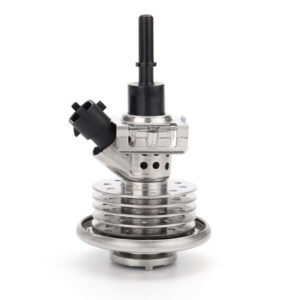
The DEF doser gasket—also called the exhaust flange gasket—sits between the dosing module and the exhaust pipe. It seals against high-temperature exhaust gases (up to 650°C) and prevents DEF fluid from leaking into the engine compartment. This gasket is exposed to the most extreme conditions and is the most critical seal in the system.
Materials: OEM gaskets use multi-layer steel (MLS) or graphite composite. Aftermarket options range from basic fiber gaskets (avoid) to MLS (recommended). Graphite gaskets conform well to irregular flange surfaces but compress over time. MLS gaskets last longer but require perfectly flat flanges.
2. Injector Body Gasket (Secondary Seal)
The DEF injector gasket between the injector nozzle and the dosing module housing prevents DEF from leaking at the injector mounting point. This seal operates at lower temperatures than the exhaust flange gasket but is exposed to corrosive DEF fluid continuously.
3. DEF Line O-Rings
The quick-connect fittings on the DEF supply and return lines use small O-rings made of EPDM or Viton. These O-rings harden and crack after heat cycling. Always replace them when disconnecting DEF lines. A leaking O-ring causes air ingestion, pump cavitation, and erratic dosing.
4. Coolant Fitting Seals
Some dosing modules—including certain DEF doser coolant fitting designs on Cummins and Paccar systems—use engine coolant to regulate the module temperature. These fittings have their own seals that degrade independently of the exhaust gaskets. Coolant leaks at the dosing module are often misdiagnosed as DEF leaks.
| Seal Type | Location | Exposure | Replace Interval |
|---|---|---|---|
| Exhaust Flange Gasket | Module-to-exhaust pipe | 650°C exhaust + DEF | Every removal |
| Injector Body Gasket | Nozzle-to-housing | DEF fluid + heat | Every removal |
| DEF Line O-Rings | Quick-connect fittings | DEF fluid + ambient | Every disconnect |
| Coolant Fitting Seal | Module coolant ports | Engine coolant + heat | Every disconnect |
Why Do DEF Injector Gaskets Fail?
DEF injector seals do not fail randomly. They degrade through predictable mechanisms:
Thermal Cycling
Every time the engine starts and shuts off, the exhaust flange gasket expands and contracts. After 50,000+ heat cycles, the gasket material loses elasticity and cannot maintain a seal. MLS gaskets handle thermal cycling better than graphite or fiber gaskets.
DEF Corrosion
Diesel Exhaust Fluid is 32.5% urea in demineralized water. While not aggressively corrosive, prolonged exposure degrades standard rubber compounds. This is why OEM seals use Viton, PTFE, or EPDM—not generic nitrile rubber.
Improper Torque
Over-tightening crushes the gasket and creates a leak path. Under-tightening allows exhaust pressure to blow the gasket out. Always use a torque wrench and follow the manufacturer’s specification—typically 18-25 Nm for DEF module mounting bolts.
Reusing Old Gaskets
The most preventable cause of failure. A gasket that has been compressed and heat-cycled once will never seal as effectively the second time. The $10 you save by reusing a gasket can cost $400 in a ruined dosing module.
Cummins DEF Injector Gaskets: What You Need to Know
Cummins engines use some of the most heat-stressed DEF gaskets in the industry. The ISX15 platform, in particular, places extreme demands on sealing materials:
Cummins DEF Doser Gasket
The Cummins DEF doser gasket on ISX and ISB engines is a graphite-composite ring designed to seal against cast iron exhaust flanges. Graphite conforms to minor surface imperfections but compresses permanently after the first heat cycle. Cummins service bulletins explicitly state that this gasket must be replaced any time the doser is removed.
Cummins DEF Injector Gasket
The Cummins DEF injector gasket seals the injector body to the dosing module adapter. This gasket is smaller than the exhaust flange gasket but equally critical. It prevents DEF from leaking into the exhaust stream between the injector tip and the flange, which would cause crystallization at the exact point where DEF should be atomizing.
Cummins Doser Injector Gasket
Some Cummins doser injector gasket configurations include a third seal at the DEF inlet port. This seal prevents pressurized DEF (5-12 bar) from leaking at the supply line connection point. On ISX15 engines, a failed inlet seal causes DEF to spray directly onto hot exhaust components, creating a significant fire hazard.
Cummins-Specific Recommendation: Always use Cummins-approved gasket sets or premium aftermarket equivalents. Budget gaskets with fiber or nitrile rubber composition will fail within 10,000 miles on ISX applications. For a complete overview of Cummins DEF system maintenance, see our Cummins diagnostic and repair guide collection.
How to Install DEF Injector Gaskets Correctly
Proper installation is as important as using the right gasket. Follow these steps:
- Clean the Flange Surface: Use a plastic scraper to remove all old gasket material. Do not use abrasives or metal tools that can score the flange.
- Inspect for Warping: Lay a straightedge across the flange. If light passes under it, the flange is warped and must be resurfaced or replaced.
- Install the Gasket Dry: Do not apply RTV, sealant, or copper spray unless the service manual specifically requires it. Most DEF gaskets are designed to seal without additional compounds.
- Position the Module: Align the dosing module or injector with the flange and hand-start all bolts.
- Torque in Sequence: Tighten bolts in a cross pattern to ensure even compression. Use a torque wrench set to the manufacturer’s specification.
- Replace O-Rings: Install new DEF line O-rings and lubricate them with clean DEF fluid before connecting.
- Check for Leaks: After installation, run the engine to operating temperature and inspect all seal points with a flashlight.
DEF Injector Gasket Replacement Cost
| Component | OEM Price | Aftermarket Price |
|---|---|---|
| Exhaust Flange Gasket | $12 – $25 | $6 – $15 |
| Injector Body Gasket | $8 – $18 | $4 – $10 |
| DEF Line O-Ring Set | $5 – $12 | $3 – $8 |
| Coolant Fitting Seal | $4 – $10 | $2 – $6 |
| Mounting Bolt Set | $8 – $15 | $5 – $10 |
| Complete Seal Kit | $35 – $80 | $20 – $50 |
Bottom Line: A complete OEM gasket kit costs less than $80. The protection it provides against exhaust leaks, DEF contamination, and catalyst damage is worth 50x the price.
Frequently Asked Questions
Can I reuse a DEF injector gasket?
No. DEF injector gaskets are single-use components. Thermal cycling permanently compresses the gasket material, and DEF exposure degrades the seal compounds. Reusing a gasket guarantees a leak.
What happens if I don’t replace the gasket?
An unsealed exhaust flange leaks hot gases and allows DEF to escape. The leaking DEF crystallizes on the injector nozzle, blocking spray. Exhaust leaks also trigger oxygen sensor faults and reduce catalyst efficiency.
Can I use RTV sealant on a DEF injector gasket?
Only if the service manual explicitly calls for it. Most OEM DEF gaskets are designed to seal without additional compounds. Improper RTV can extrude into the exhaust stream and damage the SCR catalyst.
How do I know which gasket my truck needs?
Check the service manual for your engine family (Cummins ISX, Ford 6.7, Duramax L5P, etc.). Each platform uses a specific gasket shape, thickness, and material. Using the wrong gasket causes immediate failure.
Do aftermarket gasket kits work as well as OEM?
Premium aftermarket kits with MLS or graphite-composite gaskets perform equivalently to OEM. Avoid budget fiber gaskets—they fail quickly under exhaust heat. Look for kits that include all seals, O-rings, and hardware.
What’s included in a DEF injector gasket kit?
A complete kit includes the exhaust flange gasket, injector body gasket, DEF line O-rings, coolant fitting seals (if applicable), and new mounting bolts. Some kits also include thread-locking compound.
How tight should DEF injector bolts be?
Torque specifications vary by platform: Cummins ISX15 typically requires 18-22 Nm, Ford 6.7 requires 18 Nm, and Duramax L5P requires 25 Nm. Always consult the service manual for your specific application.
Why is my new DEF injector still leaking after replacement?
The most common cause is a reused gasket or improper torque. Other causes include a warped exhaust flange, damaged threads, or a cracked dosing module housing. Re-torque to specification and replace the gasket again if leakage persists.
Do I need a gasket for the DEF coolant fitting?
Yes. The DEF doser coolant fitting on Cummins and Paccar systems uses a dedicated seal that is separate from the exhaust gaskets. This seal prevents engine coolant from mixing with DEF or leaking externally.
Where can I buy DEF injector gasket kits?
Browse our DEF injector gasket and seal catalog for complete OEM-specification kits covering Cummins, Ford, Duramax, and all major diesel platforms.
Conclusion
The DEF injector gasket is a small, inexpensive part that plays an outsized role in SCR system reliability. Whether you are working on a Cummins DEF doser gasket, a Cummins DEF injector gasket, or a Cummins doser injector gasket, the rule is the same: replace it every time, torque it correctly, and use quality materials.
The $20-$80 you spend on a complete gasket kit is insurance against $400+ in dosing module replacement and $3,000+ in catalyst damage. For professional technicians and fleet managers, keeping a stock of common gasket kits on hand eliminates downtime and prevents the costly mistake of reusing old seals.
For more DEF system repair guides, explore our complete diagnostic and maintenance resource library.