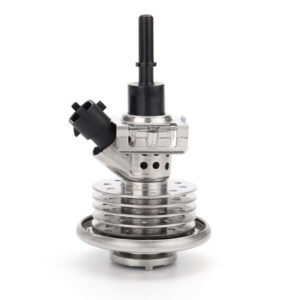
P204F Fault Code Decoded: Comprehensive Guide to Reductant System Performance
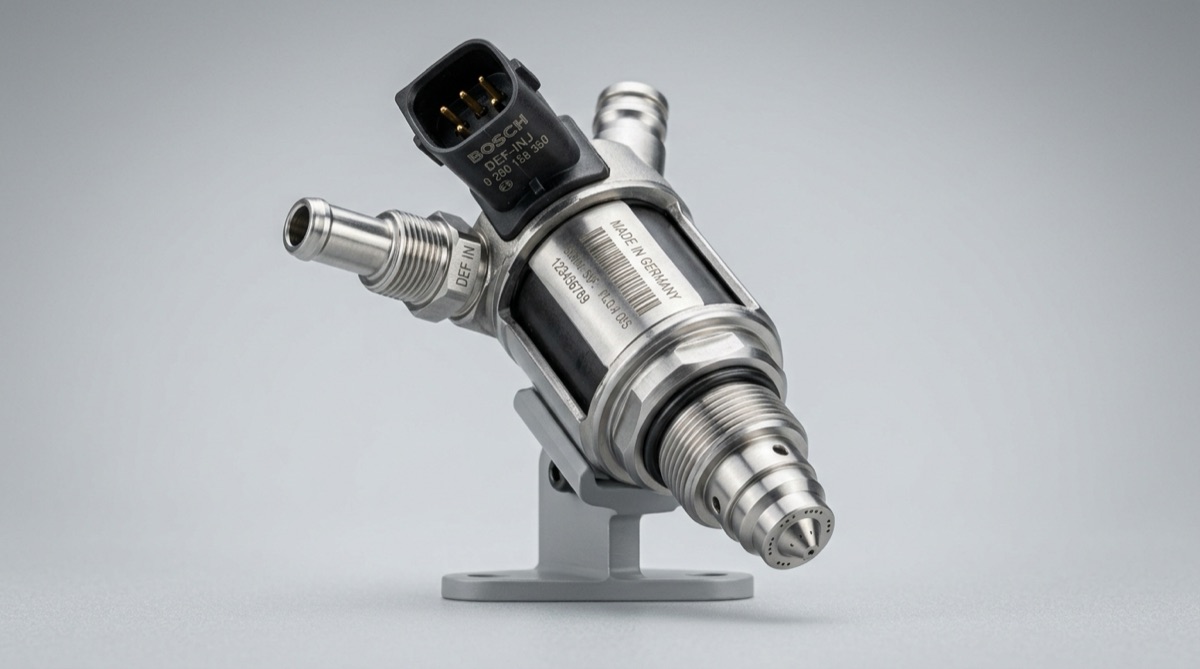
Modern diesel engines rely heavily on Selective Catalytic Reduction (SCR) technology to meet stringent Tier 4 Final and Euro VI emissions standards. The SCR system uses Diesel Exhaust Fluid (DEF), also known as AdBlue, which is a solution of 32.5% high-purity urea and 67.5% deionized water. When the P204F fault code is stored in the Powertrain Control Module (PCM), it signals that the Reductant System Performance for Bank 1 is below the expected operational parameters. This article provides a deep dive into the technical intricacies of this code, the underlying hardware failures, and a systematic diagnostic approach for diesel technicians and fleet owners.
Technical Overview of the P204F Code
The P204F code is a generic powertrain diagnostic trouble code (DTC) that indicates the PCM has detected a discrepancy between the commanded reductant delivery and the actual system feedback. Unlike electrical circuit codes (like P2047), P204F is a performance code. This means the electrical integrity of the components might be intact, but the system is not achieving the required chemical reaction or pressure stability to effectively reduce Nitrogen Oxides (NOx) in the exhaust stream.
The PCM monitors various inputs to determine system performance, including:
- Reductant Pressure Sensor: Measures the fluid pressure provided by the DEF pump (typically maintained between 5 and 9 bar).
- NOx Sensors (Inlet and Outlet): Compare the levels of NOx before and after the SCR catalyst to calculate efficiency.
- Exhaust Temperature Sensors: Ensure the catalyst is at the light-off temperature (usually above 200°C) for the chemical reaction to occur.
- DEF Quality Sensor: Monitors the urea concentration to ensure it has not been diluted or contaminated.
Common Causes of Reductant System Performance Issues
Several mechanical and fluid-related factors can trigger the P204F code. Identifying the root cause requires understanding how these components interact under load.
1. DEF Pump Cavitation or Wear
The DEF pump is a precision component responsible for delivering fluid to the injector at a constant pressure. Internal wear or air leaks in the supply line can lead to cavitation, where bubbles form in the fluid, causing pressure fluctuations that the PCM interprets as poor performance. Over time, these micro-bubbles can cause erosion of the pump’s internal diaphragms or gears, leading to a permanent loss of pressure stability.
2. Crystallization and Blockages
Urea has a tendency to crystallize when exposed to air or when the exhaust temperatures are insufficient to fully vaporize the fluid. These crystals can build up in the DEF injector nozzle, the delivery lines, or the SCR catalyst face, restricting flow and reducing the effectiveness of the NOx reduction process. This phenomenon is particularly prevalent in vehicles that operate in cold climates or engage in frequent short-haul trips where the exhaust never reaches optimal operating temperature.
3. Contaminated Diesel Exhaust Fluid
The SCR catalyst is extremely sensitive to contaminants. Even a small amount of oil, diesel fuel, or tap water (which contains minerals) can “poison” the catalyst or damage the DEF pump and injector. Contaminated fluid is one of the most common reasons for performance codes in heavy-duty applications. When a catalyst is poisoned, its active chemical sites are blocked, rendering the SCR reaction nearly impossible regardless of how much DEF is injected.
Advanced Diagnostic Steps
To accurately diagnose a P204F code, a structured approach using professional-grade scan tools and mechanical gauges is necessary. Technicians should always start with the least invasive tests to save time and resources.
Step 1: Visual Inspection and Fluid Quality Test
Begin by inspecting the DEF tank for signs of contamination. Use a refractometer to verify the urea concentration is exactly 32.5%. If the reading is off, the fluid must be drained, the tank flushed, and fresh DEF added. Check for white crystalline deposits around the DEF injector and exhaust connections, which indicate leaks. These deposits are often the “smoking gun” in performance-related diagnostics.
Step 2: Command a Dosing Test
Using a bidirectional scan tool, command a DEF dosing test. This allows you to observe the spray pattern of the injector and measure the volume of fluid delivered over a set period. A healthy injector should produce a fine, conical mist. If the fluid “dribbles” or the volume is lower than the manufacturer’s specification (e.g., 100ml in 60 seconds), the injector or pump is likely at fault. A distorted spray pattern can lead to “wetting” of the exhaust pipe, which further exacerbates crystallization issues.
Step 3: Monitor Pressure Stability
Observe the “Reductant Line Pressure” data parameter while the pump is running. The pressure should rise quickly and remain stable. If the pressure fluctuates wildly or fails to reach the target setpoint, inspect the supply line for kinks and the pump filter for debris. In some cases, a partially clogged internal pump filter can cause the pump to work harder, leading to overheating and intermittent pressure drops that are difficult to replicate in a shop environment.
Deep Dive into the SCR Feedback Loop
The P204F code is fundamentally an indicator that the feedback loop has broken. The PCM expects a certain reduction in NOx based on the amount of DEF it has commanded. When the NOx sensors report that the actual reduction is significantly lower than the model-based expectation, the P204F code is stored. This mismatch can be caused by a “lazy” NOx sensor that is slow to respond to changes in exhaust chemistry. Therefore, verifying the responsiveness of both the inlet and outlet sensors is a critical part of the diagnostic process. An oscilloscope can be used to monitor the CAN bus messages from these sensors to ensure they are providing real-time, high-fidelity data to the PCM.
Long-Term Impact on Engine Longevity
Ignoring a P204F code can have serious consequences beyond just a check engine light. A malfunctioning SCR system often leads to increased backpressure in the exhaust, which can negatively affect turbocharger efficiency and fuel economy. Furthermore, if the system is injecting too much DEF in an attempt to compensate for poor performance, it can lead to “ammonia slip” where unreacted ammonia exits the tailpipe, or worse, forms ammonium bisulfate deposits on the catalyst face, which are extremely difficult to remove without specialized cleaning equipment.
Repair and Maintenance Advice
If the diagnosis points to a faulty component, replacement is usually the only viable option. Cleaning a crystallized injector with warm deionized water sometimes works as a temporary measure, but for long-term reliability, a high-quality replacement injector is recommended. Additionally, always replace the DEF filter during pump service to prevent future performance issues. Many manufacturers recommend a DEF filter change every 150,000 miles, but in vocational applications, this interval should be shortened to ensure pump longevity.
Preventative maintenance is key to avoiding SCR failures. Ensuring the vehicle is driven at highway speeds regularly allows the DPF and SCR systems to reach temperatures high enough to clear urea deposits. Furthermore, always source DEF from reputable suppliers to ensure it meets ISO 22241 standards. The use of “bulk” DEF at truck stops is generally safe, but using jugs that have been stored in direct sunlight can lead to urea degradation and subsequent performance codes.
Case Study: High-Mileage Freightliner Cascadia
Consider a Freightliner Cascadia with 600,000 miles showing a persistent P204F code. Initial diagnostics showed correct pressure and a clean injector. However, a refractometer test revealed the DEF concentration was 35%, likely due to water evaporation in a poorly sealed tank. Draining the tank and refilling with fresh fluid cleared the code immediately. This case highlights the importance of the “basics” in complex emissions diagnostics. Even the most advanced sensors cannot compensate for chemically incorrect fluid.
Recommended Resources
- Internal Blog: Understanding DEF Crystallization: Causes and Cures
- Product Page: Premium DEF Injectors and Pumps
- External Resource: EPA – Diesel Exhaust Fluid (DEF) FAQ
- External Resource: DieselNet – Selective Catalytic Reduction Technology