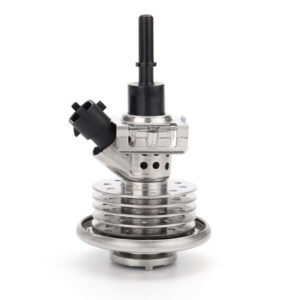
BMW BluePerformance Service: Maintaining X5 and 335d AdBlue Systems
BMW’s transition to cleaner diesel technology was headlined by the introduction of the BluePerformance system. For owners of the legendary BMW 335d and the versatile X5 xDrive35d, this technology represents a double-edged sword: incredible torque and fuel efficiency paired with a highly complex emissions control system. While these vehicles are engineering marvels, the Selective Catalytic Reduction (SCR) system—and specifically the BMW AdBlue injector—can become a significant point of failure if not properly maintained. In this technical guide, we will dive deep into the BMW BluePerformance architecture, identify common failure points, and provide actionable maintenance advice for diesel enthusiasts.
BMW BluePerformance Technology Explained
BMW BluePerformance is an umbrella term for a suite of technologies designed to reduce nitrogen oxide (NOx) emissions in diesel engines. In the North American and European markets, the most critical component of this suite is the Selective Catalytic Reduction (SCR) system. Unlike older diesel oxidation catalysts or particulate filters alone, the SCR system uses Diesel Exhaust Fluid (DEF), commercially known as AdBlue, to chemically convert harmful NOx into harmless nitrogen and water vapor.
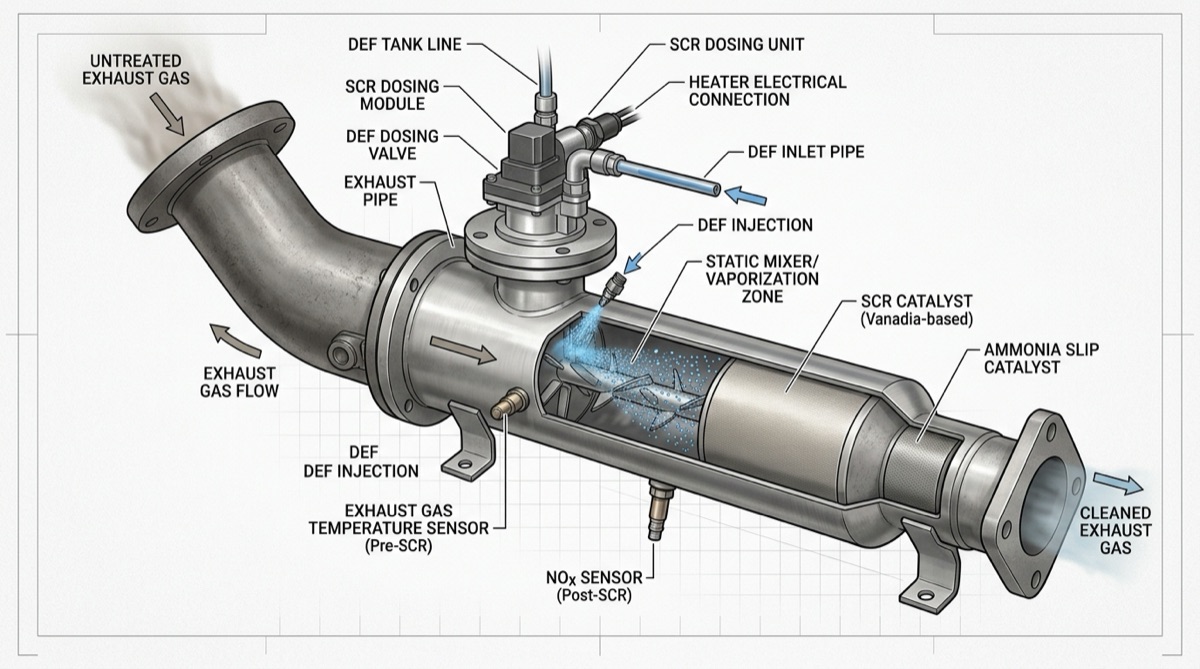
The system operates through a precise sequence. First, the engine’s exhaust passes through the Diesel Particulate Filter (DPF) to trap soot. Following this, the SCR process begins. A specialized BMW AdBlue injector (also referred to as a dosing valve or module) sprays a fine mist of urea solution into the exhaust stream before it enters the SCR catalyst. The heat of the exhaust decomposes the urea into ammonia, which then reacts with NOx over the catalyst’s surface.
Key Components of the BMW SCR System
Understanding the hardware is essential for effective BMW BluePerformance service. The system typically includes:
- Active and Passive Tanks: BMW diesel models often use a dual-tank system. The active tank contains the pump, heater, and level sensors, while the passive tank acts as additional storage.
- SCR Dosing Module (Injector): An electromagnetic valve that pulses to release specific amounts of DEF.
- NOx Sensors: Located before and after the SCR catalyst to monitor the efficiency of the reduction process and signal the ECU to adjust dosing.
- SCR Catalyst: The chamber where the chemical reaction takes place.
For models like the E90 335d and E70 X5, these components work in tight synchronization. However, the high-pressure environment and the chemical nature of urea make the BMW 335d SCR system particularly prone to crystallization and sensor drifting over time.
Symptoms of AdBlue Injector Failure in BMW Diesels
A failure in the emissions system is rarely subtle. The most common indicator of a BMW X5 diesel failure related to the SCR system is the dreaded “No Start” countdown. BMW’s software is programmed to prevent the vehicle from restarting once the AdBlue system is compromised or the fluid is depleted, as driving without functional emissions controls is a violation of environmental regulations.
1. The “Incorrect Fluid” or “System Failure” Warning
Owners often see a message on the iDrive screen stating, “No start in XXX miles.” This is frequently triggered by a clogged injector that is unable to deliver the required amount of DEF to the catalyst. Even if the tank is full, the system may report an “incorrect fluid” error because the downstream NOx sensor is not seeing the expected reduction in emissions.
2. Crystallization and Physical Blockage
Urea has a tendency to crystallize when exposed to air or when the exhaust temperatures are insufficient for complete evaporation. This buildup typically occurs at the tip of the dosing valve. If you remove the injector, you might see a white, salt-like crust. This blockage causes “dosing deviation” errors, which trigger the check engine light (CEL).
3. Performance Degradation and Limp Mode
While the SCR system doesn’t directly affect engine combustion, the ECU may pull timing or limit boost (Limp Mode) to protect the engine and ensure emissions remain within limits during a component failure. If your 335d feels sluggish and is accompanied by SCR-related fault codes (such as P20E8 – Reductant Pressure Too Low), the injector or its delivery line is likely at fault.
4. Common Fault Codes
When diagnosing a BMW BluePerformance issue, look for these specific codes using a BMW-specific scanner:
- 474C: AdBlue system, plausibility.
- 4743: SCR system, efficiency too low.
- 80518A: Metering line heater, short circuit to ground.
- P204F: Reductant System Performance Bank 1.
Maintenance and Cleaning of BMW Dosing Valves
The cost of a brand-new BMW AdBlue injector can be several hundred dollars, but many BMW BluePerformance service tasks can be performed as preventative maintenance to extend the life of the existing hardware. Cleaning the dosing valve is a standard procedure for many independent diesel shops.
The Cleaning Process
Because AdBlue is water-soluble, cleaning a crystallized injector is relatively straightforward. After removing the injector (usually secured by a single V-band clamp on the exhaust pipe), soak the nozzle in warm distilled water. Avoid using harsh chemicals or wire brushes, as the nozzle features precision-engineered orifices that can be easily damaged. Once the crystals have dissolved, ensure the electrical connector is clean and dry before reinstalling.
Testing the Spray Pattern
Professional technicians use diagnostic software (like ISTA/D) to trigger a “metering test.” This command forces the injector to spray into a container. A healthy injector should produce a consistent, fine mist. If it “drips” or sprays in a single stream, the internal valve mechanism is likely worn, and replacement is necessary.
System Resets
After cleaning or replacing the BMW AdBlue injector, the “adaptation values” in the SCR controller must be reset. The vehicle needs to “re-learn” that the system is now capable of delivering the correct amount of fluid. Failure to perform this reset may result in the “No Start” warning persisting even after the physical repair is complete.
The Importance of High-Purity AdBlue for BMW Engines
The sensitivity of the BMW 335d SCR system cannot be overstated. The dosing valves use extremely small nozzles that can be clogged by microscopic contaminants. This is why using high-purity Diesel Exhaust Fluid is non-negotiable.
Always look for the ISO 22241 certification on the AdBlue container. This standard ensures the urea concentration is exactly 32.5%, which is the eutectic point (the lowest temperature at which the solution remains liquid). Using fluid that has been stored in direct sunlight or past its expiration date can lead to premature crystallization and chemical breakdown, which will inevitably damage the SCR catalyst—a repair that can cost upwards of $2,000.
Furthermore, avoid using “AdBlue additives” unless they are specifically designed to prevent crystallization and are compatible with BMW’s BluePerformance hardware. The best way to keep the system clean is to ensure the engine reaches operating temperature regularly. Short city trips often don’t provide enough heat to keep the exhaust system clear, leading to faster buildup on the injector tip.
FAQ
Can I drive my BMW if the AdBlue light is on?
Yes, but you are on a countdown. Once the “No Start” message appears, you must address the issue before the mileage reaches zero. If it reaches zero, the engine will not start after the next shutdown, requiring a tow to a service center.
How often should the AdBlue injector be cleaned?
For BMW X5 and 335d models driven primarily in urban environments, we recommend inspecting and cleaning the injector every 30,000 to 40,000 miles as part of a comprehensive BMW BluePerformance service.
Is the SCR failure covered under warranty?
Many BMW diesel models were subject to extended warranties on the SCR system due to high failure rates. Check with your local dealership to see if your VIN qualifies for a free replacement of the tanks or sensors under the emissions warranty extension.
What causes the BMW X5 diesel failure most often?
The most common failure point is actually the active tank heater or the level sensors. However, the injector is the most common cause of “efficiency” codes. Regular maintenance of the injector can prevent strain on the rest of the system.
Maintaining the SCR system on your BMW diesel doesn’t have to be a nightmare. By understanding how the BluePerformance technology works and staying ahead of crystallization with regular cleaning, you can enjoy the power and efficiency of your X5 or 335d for hundreds of thousands of miles.
Recommended Resources and Products:
- Internal Blog: Advanced SCR Troubleshooting Guide
- Related Product: BMW AdBlue System Components
- External Authority: BMW Diesel Tech Support
- Technical Reference: Diesel Particulate Filter (DPF) Info