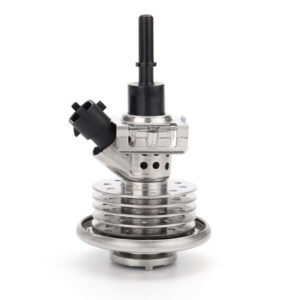
Comprehensive Guide to DEF Injector Cleaning and Maintenance for Ram 2500
Understand the Role of DEF Injectors
Diesel Exhaust Fluid (DEF) is essential for modern diesel engines, especially in vehicles like the Ram 2500 that use Selective Catalytic Reduction (SCR) technology to reduce harmful emissions. DEF is a non-toxic mixture of 32.5% urea and 67.5% deionized water, designed to convert nitrogen oxides (NOx) into harmless nitrogen and water vapor during combustion.
DEF injectors serve a crucial function in this emissions control system by precisely injecting DEF into the exhaust stream at crucial intervals, facilitating optimal mixing and chemical reactions with exhaust gases. This process not only reduces overall NOx emissions but also improves engine performance and fuel efficiency. When operating correctly, DEF injectors aid in meeting environmental regulations while ensuring the vehicle’s reliability.
DEF injectors can, however, encounter a variety of issues that hinder their performance. Understanding these potential problems enables Ram 2500 owners to take timely action. Common issues include:
- Clogging: Contaminants in the DEF or poor-quality fluid can lead to blockages in the injector, disrupting flow and functionality.
- Leaking: Wear or damage to seals may cause DEF leaks, resulting in operational failures and increased emissions.
- Electrical Issues: Malfunctioning electrical connections can prevent the injector from receiving necessary signals, leading to improper DEF dosing.
Regular maintenance and cleaning of DEF injectors are vital to preventing these issues and ensuring efficient operation within the emissions system. By understanding the role of DEF injectors, Ram 2500 owners can adopt proactive measures to maintain their vehicle’s environmental compliance and performance.
Identify Common Symptoms of DEF Injector Problems
Identifying the early signs of DEF (Diesel Exhaust Fluid) injector problems is critical for ensuring your Ram 2500 operates effectively and meets emissions standards. DEF injectors are integral to the selective catalytic reduction process, converting harmful nitrogen oxides (NOx) into harmless nitrogen and water vapor. Being aware of the symptoms can facilitate prompt addressing of issues. Here are the most common indicators to watch for:
- Check Engine Light: A primary sign of a DEF issue is the check engine light’s illumination, suggesting potential injector malfunctions or emissions system problems.
- Reduced Engine Power: A malfunctioning DEF injector can affect engine performance, resulting in noticeable power loss or sluggishness, which negatively impacts the driving experience.
- Increased Emissions: Elevated NOx emissions may indicate a clog or malfunction in the DEF injectors. Monitoring exhaust output is vital for environmental compliance and engine health.
- Frequent Regeneration Cycles: If your diesel engine undergoes more frequent regeneration cycles, this may signal DEF injector issues as the system struggles to manage emissions effectively.
- Fluid Leaks: Visible leaks near the injector area could indicate worn seals or damaged components, requiring immediate attention to prevent further system damage.
To uphold the efficiency of your Ram 2500’s emissions system, regularly observe these symptoms and conduct routine maintenance checks. Early intervention with DEF injector problems can save on time and repair costs, ensuring your vehicle operates smoothly and adheres to emissions standards.
Troubleshoot DEF Injector Issues
Maintaining your Ram 2500’s diesel exhaust fluid (DEF) injector is essential for optimal engine performance and emissions control. When you suspect a DEF injector issue, it is important to follow a systematic troubleshooting approach to effectively identify and resolve the problem.
Before starting, gather the necessary diagnostic tools:
- OBD-II scanner
- Multimeter
- Fuel pressure gauge
- Torque wrench
- Basic hand tools
Here is a step-by-step guide for diagnosing common DEF injector issues:
- Check for Error Codes: Begin by using the OBD-II scanner to retrieve any fault codes related to the DEF system. Codes such as P20E8 or P20B9 may indicate injector issues.
- Inspect Electrical Connections: Examine the wiring harness and connectors for corrosion, damage, or loose connections that could disrupt injector function.
- Test Injector Voltage: Utilize a multimeter to confirm the DEF injector is receiving the correct voltage while the engine is running. A reading significantly outside the expected range requires further investigation.
- Check DEF Quality: Ensure that the DEF fluid is not contaminated or degraded. Poor-quality fluid can impede injector performance.
- Evaluate Injector Functionality: If accessible, perform a flow test to check the injector’s operational efficiency. A clogged or malfunctioning injector may necessitate cleaning or replacement.
The recommended solutions will depend on the identified issue:
- If codes and wiring seem normal, consider cleaning the injector with a specialized cleaning solution.
- For voltage problems, inspect fuses and wiring for faults.
- Contaminated DEF should be replaced with fresh, certified fluid.
If issues persist post-checks, consulting a professional mechanic or certified diesel technician is advisable to prevent further damage.
Step-by-Step Guide to Cleaning DEF Injectors
Cleaning the Diesel Exhaust Fluid (DEF) injectors in your Ram 2500 is critical for maintaining optimal performance and emissions control. A structured approach will ensure effective cleaning while prioritizing safety throughout the process.
Before you begin, gather the required tools and materials:
- Safety goggles
- Gloves (nitrile recommended)
- Compressed air source
- Cleaning solution designed specifically for DEF injectors
- Small brush (non-metallic)
- Container for fluid disposal
- Wrench set
- Torque wrench
- Shop towels or rags
Cleaning Instructions:
- Safety First: Wear safety goggles and gloves to protect yourself from chemicals and debris.
- Locate the DEF Injectors: Open your Ram 2500’s hood and find the DEF injectors, typically positioned near the diesel fuel injectors.
- Disconnect Power: Safely disconnect the vehicle’s battery to prevent electrical shorts during cleaning.
- Remove the DEF Injectors: Use a suitable wrench to gently remove the DEF injectors from their mounting position, noting the order for reinstallation.
- Clean the Injectors: Soak the injectors in the cleaning solution for the recommended time (approximately 15-30 minutes). After soaking, gently scrub them with the small brush to eliminate any deposits.
- Rinse and Dry: After cleaning, rinse the injectors with clean water and use compressed air to remove any residual liquid. Ensure they are completely dry before reinstallation.
- Reinstall the Injectors: Carefully reinstall the DEF injectors in the reverse order of removal, tightening them to the manufacturer’s specifications with the torque wrench.
- Reconnect Battery: Finally, reconnect the battery, ensuring that all connections are secure.
By following these steps, you can maintain the efficiency of your DEF system and minimize the risk of clogs that may lead to expensive repairs. Always consult your owner’s manual for specific instructions related to your vehicle model.
Compare Cleaning Products for DEF Injectors
To ensure optimal performance of your Ram 2500’s diesel exhaust fluid (DEF) injectors, selecting the right cleaning product is vital. A variety of cleaning solutions are available, and comparing them will help you make an informed decision based on effectiveness and safety.
Below is an overview of popular cleaning products:
| Product Name | Effectiveness Rating | Safety | Ease of Use |
|---|---|---|---|
| DEF Injector Cleaner Pro | 9/10 | Safe | Easy |
| Diesel Fuel System Cleaner | 8/10 | Moderate | Moderate |
| DIY Vinegar Solution | 6/10 | Safe | Very Easy |
| Household Cleaner Formula | 5/10 | Hazardous | Easy |
When comparing these products, here are some pros and cons to consider, which can aid in your selection:
- Chemical Cleaners: These typically provide quicker and more effective cleaning results but may contain hazardous materials requiring additional safety measures.
- DIY Methods: Often utilizing household items or milder solutions, these methods are usually safer and cost-effective. However, they might not offer the same thorough cleaning as commercial products.
Your choice of cleaning product ultimately depends on your specific needs, safety preferences, and the level of cleaning required for your DEF injectors. Always refer to product labels and guidelines to ensure compatibility and safety during maintenance.
Maintenance Best Practices for DEF Injectors
To ensure the longevity and optimal performance of Diesel Exhaust Fluid (DEF) injectors in your Ram 2500, it is essential to adopt effective maintenance practices. Implementing these strategies can help prevent costly repairs while extending the lifespan of your system.
Here are recommendations regarding inspection and cleaning frequency:
- Conduct a thorough inspection of the DEF injectors every 5,000 miles to check for signs of clogging or wear.
- Schedule cleaning at least twice a year or more frequently if driving in harsh conditions.
In addition to routine inspections, proper storage and usage of DEF fluid are critical for maintaining injector health:
- Store DEF in a cool, dry location away from direct sunlight to prevent degradation.
- Utilize DEF within one year of opening the container to ensure optimal effectiveness.
- Avoid subjecting DEF to extreme temperatures; both heat and freezing conditions can cause crystallization.
Furthermore, here are common pitfalls to avoid to ensure smooth system operation:
- Do not mix different brands of DEF fluid, as this can lead to harmful chemical reactions impacting your injectors.
- Avoid refilling DEF while the engine is running to prevent contaminant entry into the system.
- Never ignore dashboard warning lights; they indicate that the DEF system may need immediate attention.
Adhering to these best practices not only improves your DEF injectors’ operation but also aids in achieving compliance with emissions standards. Regular maintenance is a wise investment in the performance and efficiency of your Ram 2500.
Frequently Asked Questions (People Also Ask)
Several common questions often arise regarding the maintenance of DEF injectors in your Ram 2500. Understanding these inquiries can enhance your vehicle’s performance and longevity. Here are some frequently asked questions that may clarify your concerns:
- How often should DEF injectors be cleaned?
It is generally recommended to clean DEF injectors every 30,000 to 50,000 miles, depending on driving habits and conditions. Regular inspections should be conducted to monitor for signs of wear or clogging. - What causes DEF injector failures?
Common reasons for DEF injector failures include contamination from low-quality DEF fluids, exposure to extreme temperatures, and issues with the vehicle’s exhaust treatment system. Regular maintenance can mitigate these risks. - Can I clean my DEF injector myself?
While some owners opt to clean their DEF injectors independently, seeking professional assistance for a thorough cleaning is recommended. Improper cleaning techniques can damage the injector. - Is using aftermarket DEF fluids safe?
While some aftermarket DEF fluids may claim compatibility, it is crucial to use fluids that meet the API and ISO standards. Non-compliant fluids can cause injector clogging and system failures. - What are signs indicating that my DEF injector needs attention?
Symptoms of malfunctioning DEF injectors include poor engine performance, increased diesel exhaust fluid consumption, warning lights on the dashboard, and noticeable changes in exhaust emissions. Addressing these issues promptly is vital for optimal vehicle performance.