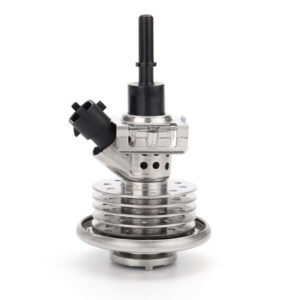
How to Remove the DEF Injector on Ram Trucks: Step-by-Step Guide
Understand the DEF Injector System
The Diesel Exhaust Fluid (DEF) injector is a vital component in modern diesel engines, especially in Ram trucks. It plays a crucial role in the Selective Catalytic Reduction (SCR) system, which significantly reduces harmful nitrogen oxides (NOx) emissions. The DEF injector’s main purpose is to inject DEF into the exhaust stream, where it reacts with harmful pollutants to convert them into harmless nitrogen and water vapor.
The importance of the DEF injector in emissions control cannot be overstated. As diesel emissions regulations grow stricter, the DEF injector helps maintain compliance with environmental standards while ensuring optimal engine performance. Its proper operation is essential for achieving maximum fuel efficiency and decreasing the overall environmental impact of diesel engines.
However, like any mechanical part, the DEF injector may encounter issues over time. Common problems that may require its removal include:
- Clogs or Blockages: Residue from DEF can accumulate in the injector, resulting in reduced flow and inefficient operation.
- Electrical Failures: Issues with the injector’s wiring or sensors may lead to faults, triggering warning lights on the dashboard.
- Leakage: DEF leaks can occur at the injector, causing a loss of fluid and potential damage to surrounding components.
Understanding the DEF injector’s function and its common issues is crucial for any Ram truck owner. This knowledge aids in timely maintenance, ensuring your vehicle operates within required emissions guidelines and ultimately enhancing its performance and longevity.
Gather Tools and Materials Needed for Removal
Before you begin the removal of the DEF injector from your Ram truck, it’s essential to have all necessary tools and materials ready. This preparation ensures a smooth and efficient process, reducing the risk of errors or complications.
Here’s a comprehensive list of tools and materials you will need:
- Tools:
- Socket set (including metric sizes)
- Ratchet wrench
- Torque wrench
- Pick tool or needle-nose pliers
- Flathead and Phillips screwdrivers
- Cutting tool (if needed to remove plastic covers)
- Extension bars (for accessing difficult areas)
- Materials:
- New gaskets for reinstallation
- Engine oil or lubricant for seals
- Cleaning solutions or wipes for maintenance
- Rags to catch spills
Additionally, it is vital to prioritize safety during this task. Ensure you have the following safety gear and precautions:
- Safety goggles to protect your eyes from debris.
- Gloves to keep your hands clean and shielded from chemicals.
- Closed-toe shoes to protect your feet from heavy tools or falling parts.
- Well-ventilated area to minimize exposure to exhaust fumes.
By following this checklist of tools, materials, and safety measures, you’ll establish a solid foundation for a successful DEF injector removal process. Always take the time to double-check that everything is on hand before starting the job.
Step-by-Step Guide to Removing the DEF Injector
With the required tools and safety measures in place, you’re ready to remove the DEF injector from your Ram truck. This is an essential task, especially if you’re encountering issues with the diesel exhaust fluid system. Follow these steps carefully to ensure a safe and effective removal process.
Before starting, perform essential safety checks:
- Ensure the vehicle is on a level surface and parked securely.
- Turn off the engine and let it cool completely.
- Put on safety goggles and gloves to protect yourself from potentially harmful fluids.
Now, follow these step-by-step instructions to remove the DEF injector:
- Disconnect Battery Power: Use a wrench to detach the negative terminal of the battery. This helps prevent electrical short circuits during the removal process.
- Access the DEF Injector Location: Open the hood and locate the DEF injector, typically found near the engine compartment. You may need to remove the air intake duct or other components for clear access.
- Remove the Injector: Disconnect the electrical connector from the DEF injector and carefully unscrew any mounting bolts. Gently pull the injector out, taking care not to apply excessive force that could damage surrounding components.
- Handle Delicate Parts with Care: Pay special attention to O-rings and seals. Avoid using metal tools that could scratch or damage the surfaces. If the injector is stuck, gently wiggle it free instead of yanking it out.
After successfully removing the DEF injector, inspect it for any damage and replace any necessary components before reinstalling. Always remember to reconnect the battery and perform a system check before starting the engine.
Troubleshooting Common Issues During Removal
As you proceed with extracting the DEF injector, you may encounter common issues that could hinder your progress. Recognizing these challenges early can save time and reduce frustration. Here are typical problems, diagnostic tips, and effective solutions.
- Stuck Lines: Fuel and coolant lines may become stuck due to corrosion or limited access.
- Broken Clips: Clips securing the DEF injector may break during removal, necessitating replacement.
- Obstructed Access: Limited space around the injector can make it difficult to maneuver tools effectively.
To identify these problems, consider the following diagnostic tips:
- Check for visible damage or corrosion on lines and connectors.
- Test the clips for flexibility; replace any that are hardened or cracked.
- Observe the working space around the injector to determine if additional tools or extensions are needed.
In order to effectively address these challenges, here are solutions for each common issue:
- Stuck Lines: Apply a penetrating lubricant to the affected area and let it sit for 10-15 minutes. Gently wiggle the line while pulling it away to release it.
- Broken Clips: Purchase replacement clips from a dealer or auto parts store, ensuring you have the correct part number for your truck model.
- Obstructed Access: Use socket extensions or universal joint attachments to access tight spaces. Consider temporarily removing other components to create additional room.
By following these troubleshooting strategies, you can mitigate challenges during DEF injector removal, ensuring a smoother process.
Buying Guide for Replacement DEF Injectors
After successfully removing the DEF injector, the next step is to find a suitable replacement. When selecting a replacement DEF injector for your Ram truck, several critical factors must be considered to ensure optimal performance and longevity of your vehicle’s emission systems. This guide will help you navigate the market effectively.
- Compatibility: Always verify that the DEF injector is specifically designed for your truck model and year. Products that are incompatible can lead to poor performance or damage to the emissions system.
- Brand Quality: Opt for reputable brands with a proven track record. Established manufacturers typically have stringent quality control processes, ensuring their products meet or exceed OEM specifications.
- Warranty: A robust warranty indicates the manufacturer’s confidence in their product. Look for injectors with at least a one-year warranty to safeguard your investment against potential defects.
- Performance Ratings: Research user reviews and performance ratings. Reliable sources, such as automotive forums or industry publications, can provide insight into the reliability and effectiveness of various injectors.
Below is a comparative checklist of quality indicators to evaluate potential replacements:
- Verified compatibility with your truck model
- Positive customer reviews and ratings
- Available warranty options
- Manufacturer reputation and tenure in the industry
For purchasing, consider both online retailers and local auto parts stores. Websites like Amazon, RockAuto, and even manufacturer-direct sites often provide competitive pricing and user reviews to guide your decision-making. Additionally, local auto parts stores may allow you to inspect the product physically before purchasing, which can be advantageous.
In summary, choosing the right DEF injector involves assessing compatibility, brand reputation, warranty coverage, and performance feedback. By following this guideline, you can make an informed decision that keeps your Ram truck running smoothly.
Frequently Asked Questions (People Also Ask)
As you navigate the process of addressing the DEF injector on your Ram truck, you may have several questions arise. Here are answers to some frequently asked queries, providing clarity and insight into the maintenance of your vehicle’s system.
- How do I know if my DEF injector needs to be replaced?Indicators include frequent error messages on your dashboard, noticeable drops in fuel efficiency, or issues with vehicle performance. If you experience these symptoms, it’s time to inspect the DEF injector.
- What are the signs of a malfunctioning DEF injector?Common signs include poor acceleration, increased exhaust emissions, and a check engine light specifically related to the DEF system. Regular vehicle testing can help catch these issues early.
- Can I clean the DEF injector instead of replacing it?While cleaning may work in some instances, it typically only provides a temporary solution. If the injector is severely clogged or damaged, replacement is recommended for optimal performance.
- How often should I check my DEF injector?It’s advisable to inspect the DEF injector during regular vehicle maintenance checks, with every 10,000 miles being a prudent guideline, especially if you notice any performance issues.
- What tools do I need for DEF injector removal?You will need a socket set, pliers, a torque wrench, and possibly a flathead screwdriver. Ensure you have the correct tools to prevent any damage during the removal process.
- Can I perform this task myself or should I hire a professional?If you possess basic mechanical skills and the appropriate tools, you may be able to perform this task yourself. However, if you’re uncertain, it’s advisable to seek professional assistance to avoid complications.