Ultimate Guide to Testing and Maintaining DEF Injectors in Diesel Trucks
Understanding DEF and Its Functionality
Diesel Exhaust Fluid (DEF) is a non-hazardous, colorless liquid composed of 67.5% deionized water and 32.5% automotive-grade urea. This high-purity solution is used in modern diesel engines equipped with Selective Catalytic Reduction (SCR) technology to decrease harmful nitrogen oxide (NOx) emissions. When introduced into the exhaust stream of a diesel engine, DEF undergoes a chemical reaction that converts NOx into nitrogen and water vapor, both harmless byproducts.
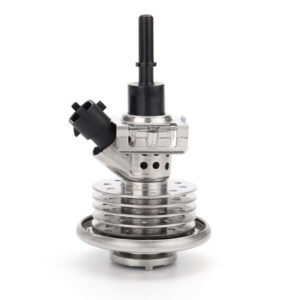
The DEF injector is integral to the SCR system, ensuring precise amounts of DEF are added to the exhaust gases. This ensures optimal conversion rates and adherence to stringent emissions regulations. A properly functioning DEF injector enhances the SCR system’s performance and efficiency, preventing issues like excessive NOx emissions and related engine faults. Furthermore, the injector’s ability to atomize DEF into a fine mist facilitates better mixing with exhaust gases, improving the reduction process’s effectiveness.
The main advantages of utilizing DEF in diesel engines include:
- Regulatory Compliance: DEF assists diesel trucks in meeting EPA regulations, contributing to environmental safety.
- Improved Fuel Efficiency: Effective use of DEF can enhance fuel economy by maximizing engine performance.
- Lower Emissions: By significantly cutting NOx output, diesel engines using DEF promote cleaner air quality.
In summary, grasping the functionality of DEF and the essential role of the DEF injector is vital for preserving a diesel vehicle’s performance and adherence to environmental standards. This knowledge sets the stage for the next crucial step: testing your DEF injector to confirm it operates effectively.
Step-by-Step Guide to Testing Your DEF Injector
Testing your Diesel Exhaust Fluid (DEF) injector is essential to guarantee optimal performance and compliance with emissions standards. Follow this detailed guide to perform a thorough assessment of your DEF injector.
Tools and Equipment Needed:
- Multimeter
- Graduated cylinder (1-liter or larger)
- DEF fluid for testing
- Torque wrench
- Safety goggles and gloves
- Diagnostic scanner (optional)
Preparation Steps:
- Ensure the engine is turned off and cool to prevent injury.
- Disconnect the battery to eliminate any electrical risks.
- Gather all necessary tools within arm’s reach to streamline the process.
Testing Procedures:
- Flow Rate Measurement:
- Remove the DEF injector from the vehicle according to manufacturer specifications.
- Attach the injector to a graduated cylinder filled with DEF.
- Activate the injector using the vehicle’s diagnostic tool or by briefly reconnecting the electrical connections, measuring the fluid dispensed over a specified duration (e.g., 30 seconds).
- Calculate the flow rate (liters per minute). The typical flow rate should align with the manufacturer’s guidelines.
- Electrical Diagnostics:
- Use the multimeter to check for electrical continuity at the injector’s connector.
- Monitor the voltage readings during engine activation to ensure they match specifications.
- Inspect for signs of corrosion or damage on electrical connections.
Safety Precautions:
- Always wear safety goggles and gloves to shield against DEF splashes.
- Work in a well-ventilated area to prevent inhaling any fumes.
By following these steps, you can efficiently test your DEF injector, ensuring your diesel truck operates effectively and complies with environmental regulations. Understanding these testing procedures equips you to address any common issues that may arise with DEF injectors.
Common Issues and Troubleshooting for DEF Injectors
DEF injectors are essential for the proper operation of diesel engines equipped with Selective Catalytic Reduction (SCR) systems. However, like any component, they may encounter issues over time. Identifying the early signs of DEF injector failure can prevent further complications and costly repairs.
Common signs of DEF injector failure may include:
- Poor engine performance
- Increased fuel consumption
- Black smoke emissions
- Error codes indicating DEF system malfunctions, such as P20E8 or P20E9
To troubleshoot DEF injector issues effectively, follow these steps:
- Scan for Diagnostic Trouble Codes (DTCs): Utilize an OBD-II scanner to check for any stored codes that may clarify the problem.
- Inspect DEF Quality: Ensure the DEF fluid is free from contamination or freezing, as low-quality fluid can impact injector performance.
- Check Electrical Connections: Examine the wiring and connectors for indicators of damage, corrosion, or loose connections.
- Test Injector Operation: Conduct a functional test of the injectors using diagnostic tools to assess their spray pattern and output.
- Assess System Pressure: Verify the pressure within the DEF delivery system to ensure it meets the manufacturer’s specifications.
For DIY solutions, minor problems, such as cleaning electrical connections or replacing faulty wiring, can often be addressed at home. However, it is essential to seek professional assistance for more complex issues, especially those requiring specialized tools or exhaustive diagnostics. Regular maintenance and prompt corrective actions can profoundly improve the lifespan and reliability of DEF injectors, assisting in navigating various DEF injector types available in the market.
Comparing Different Types of DEF Injectors
When selecting DEF injectors for diesel trucks, understanding the differences between original equipment manufacturer (OEM) and aftermarket options is crucial. Each type presents unique advantages and disadvantages that can substantially affect performance and reliability.
- OEM DEF Injectors: Manufactured by the vehicle maker, these injectors typically guarantee compatibility and peak performance, tailored specifically for each truck model. They often come with warranties, providing additional assurance, but usually at a higher cost.
- Aftermarket DEF Injectors: Produced by third-party manufacturers, these injectors can vary greatly in quality and performance. While they may offer cost savings, ensuring reliability and compatibility can be challenging. Some aftermarket options are engineered to exceed factory settings, appealing to those seeking enhanced efficiency or power.
When assessing different models, consider the following performance metrics:
- Flow Rate: Indicates how quickly the injector can dispense DEF, critical for maintaining optimal engine performance.
- Durability: Prioritize injectors with robust construction that can endure daily use.
- Response Time: A quicker response time can result in more effective emissions control and lessen the likelihood of engine problems.
Below is a comparison table summarizing key differences among popular DEF injector brands:
| Brand | Type | Flow Rate (L/min) | Durability Rating | User Rating |
|---|---|---|---|---|
| OEM Brand A | OEM | 4.5 | Excellent | 4.8/5 |
| Aftermarket Brand B | Aftermarket | 4.2 | Good | 4.3/5 |
| Aftermarket Brand C | Aftermarket | 5.0 | Very Good | 4.6/5 |
In conclusion, the decision between OEM and aftermarket DEF injectors depends on your specific requirements for performance, reliability, and budget. Evaluating your particular needs will help you make an informed choice when it’s time to purchase a DEF injector.
Buying Guide for DEF Injectors
Choosing the right DEF injector is vital for maintaining your diesel truck’s efficiency and compliance with emissions systems. Consider these key factors when making your purchase:
- Compatibility: Ensure the DEF injector you select is suitable for your specific diesel truck make and model. Different vehicles can have unique requirements based on their engine types and emissions systems.
- Price: DEF injector prices can vary substantially. It’s crucial to balance cost with quality, wary of cheaper options that might compromise performance and durability.
- Brand Reputation: Opt for injectors from established brands known for reliability. Reputable brands often provide warranties and customer support, which can be invaluable in case of issues.
Recommended trustworthy brands include:
- Bosch: Renowned for high-quality fuel injection systems, Bosch DEF injectors are a reliable option for various truck applications.
- Delphi: Offers a selection of DEF injectors focusing on innovative technology and dependable performance.
- ACDelco: A respected name in automotive parts, ACDelco provides reliable options for numerous diesel truck models.
Moreover, when purchasing a DEF injector, consider the following checklist for a thorough evaluation:
- Verify OEM compatibility
- Check customer reviews and ratings
- Compare warranty terms
- Assess availability of installation support
- Confirm return policies for peace of mind
By considering these factors, you can confidently select a DEF injector that meets your requirements and enhances the longevity of your diesel truck’s performance. Addressing common questions regarding DEF injectors can further enhance your understanding of their maintenance.
Frequently Asked Questions (People Also Ask)
Maintaining DEF injectors in diesel trucks requires familiarity with common issues and concerns. Here are answers to frequently asked questions that can assist truck owners in optimizing their vehicles’ performance.
- What are the signs of a failing DEF injector? Look for signs such as decreased engine performance, increased emissions, dashboard warning lights, and ammonia odors. Difficulties starting or idling can also signal injector problems.
- How often should DEF injectors be tested or replaced? It’s advisable to test DEF injectors at least once a year or every 10,000 miles, whichever comes first. Replacement typically occurs every 50,000 to 100,000 miles, contingent on usage and driving conditions.
- Can I clean my DEF injector instead of replacing it? In some cases, cleaning may resolve minor clogging issues. However, if the injector shows significant wear or damage, replacement is often more effective than cleaning.
- What tools do I need to test DEF injectors? Essential tools include a multimeter for electrical assessments, diagnostic scanners for reading fault codes, and specialized DEF injector cleaning kits. These will help accurately diagnose any potential issues.
- Are aftermarket DEF injectors reliable? Aftermarket DEF injectors can be dependable if sourced from reputable manufacturers. Always confirm they meet OEM specifications to prevent compatibility issues and maintain performance.