What Is a DEF Injector and Why Does It Matter?
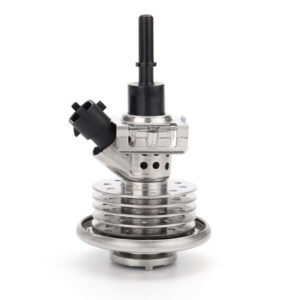
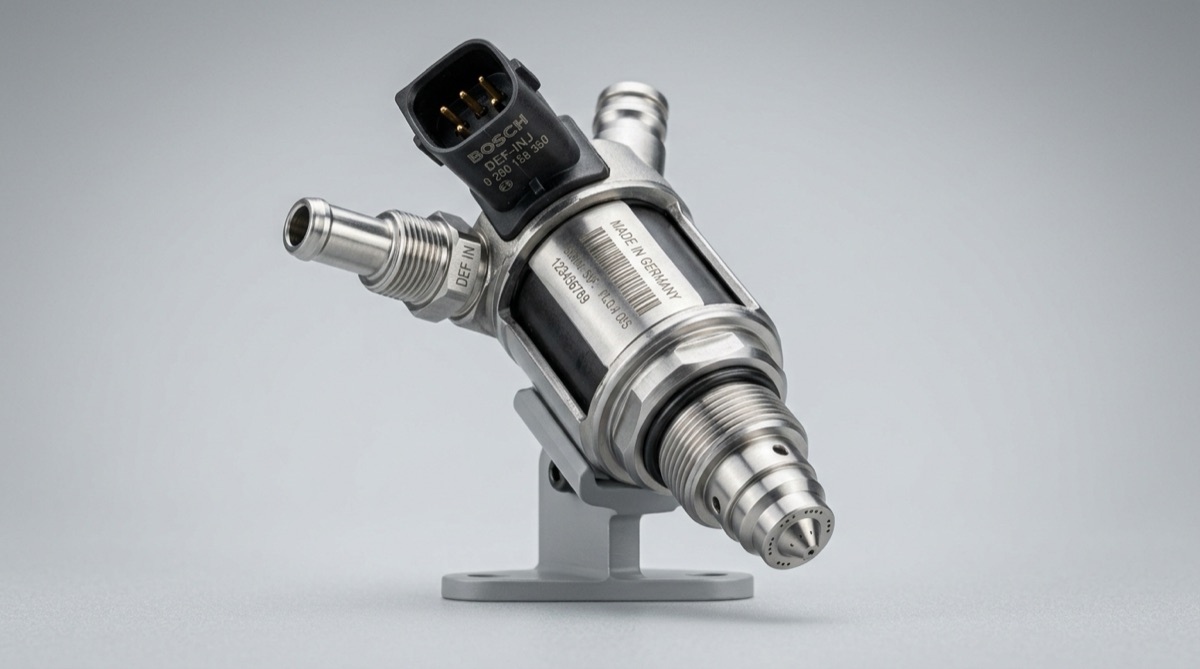
A DEF Injector (Diesel Exhaust Fluid Injector) is a precision-engineered nozzle that sprays metered amounts of AdBlue/DEF solution into the exhaust stream of diesel engines equipped with Selective Catalytic Reduction (SCR) systems.
Without a properly functioning DEF injector, the entire SCR system fails to reduce NOx emissions, leading to:
- Failed emissions tests
- Engine derate or shutdown
- Costly downtime
How Does a DEF Injector Work?
The DEF injector operates as part of a closed-loop control system:
- ECU Signal: The Engine Control Unit monitors exhaust temperature, NOx levels, and engine load
- Precise Spraying: The injector atomizes DEF into tiny droplets (typically 10-50 microns)
- Thermal Decomposition: At 180-200°C, DEF hydrolyzes into ammonia (NH₃)
- Catalytic Reaction: NH₃ reacts with NOx gases, converting them to harmless nitrogen (N₂) and water (H₂O)
This chemical process reduces NOx emissions by up to 90%, making DEF injection essential for compliance with EPA Tier 4, Euro 6, and China VI standards.
Key Specifications of Quality DEF Injectors
When evaluating DEF injector suppliers, focus on these critical parameters:
| Specification | Standard Range | Why It Matters |
|---|---|---|
| Flow Rate | 2-15 L/h | Must match engine displacement |
| Operating Voltage | 12V / 24V | Depends on vehicle electrical system |
| Spray Pattern | 30°-60° cone | Affects mixing efficiency |
| Operating Temp | -40°C to +80°C | Handles extreme environments |
| Response Time | <50ms | Precise dosing control |
Common DEF Injector Problems and Solutions
For more detailed DEF system troubleshooting guides, visit our blog section. Here are the most common issues:
Problem 1: Blocked Nozzle
Symptoms: Reduced spray, increased NOx, P20EE code
Solution: Replace with a clean, OEM-spec injector. Avoid aftermarket parts with inconsistent spray patterns. Using ISO 22241-compliant DEF is critical to prevent crystallization and nozzle blockage.
Problem 2: Internal Leakage
Symptoms: DEF consumption increase, white deposits on exhaust
Solution: Replace the injector. Internal seal degradation is not repairable.
Problem 3: Electrical Failure
Symptoms: No injection, P0200-series codes
Solution: Check connector corrosion and wiring harness. Replace injector if coil is damaged.
How to Choose the Right DEF Injector
Not all DEF injectors are created equal. Here’s a comparison:
| Factor | Budget Options | Premium OEM |
|---|---|---|
| Durability | 6-12 months | 2-5 years |
| Spray Precision | Inconsistent | ±2% tolerance |
| Seal Materials | Standard rubber | Fluorocarbon/PTFE |
| OEM Compatibility | Generic fit | Vehicle-specific |
Recommendation: For fleet operations, choose injectors with proven OEM-grade quality to minimize unplanned maintenance costs.
Maintenance Tips for DEF Injector Longevity
- Use ISO 22241-compliant DEF – Impurities cause crystallization. Learn more about ISO 22241 DEF quality standards.
- Avoid air ingestion – Keep DEF lines purged and sealed
- Regular diagnostics – Catch issues before failure with P20xx code monitoring. See our complete diagnostic guide collection.
- Proper storage – If replacing, store in sealed packaging away from dust
Conclusion
The DEF injector is the heart of your SCR system’s emissions reduction capability. Investing in quality injectors and proactive maintenance protects your fleet compliance, reduces downtime, and optimizes total cost of ownership.
Looking for reliable DEF injectors? Browse our complete DEF injector catalog with OEM-grade quality and competitive pricing.