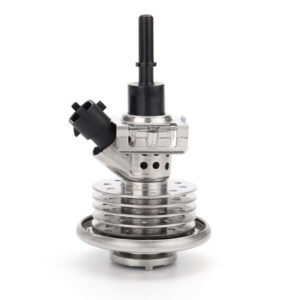
P2047 Reductant Injection Valve Circuit: Electrical Diagnostics and Repair
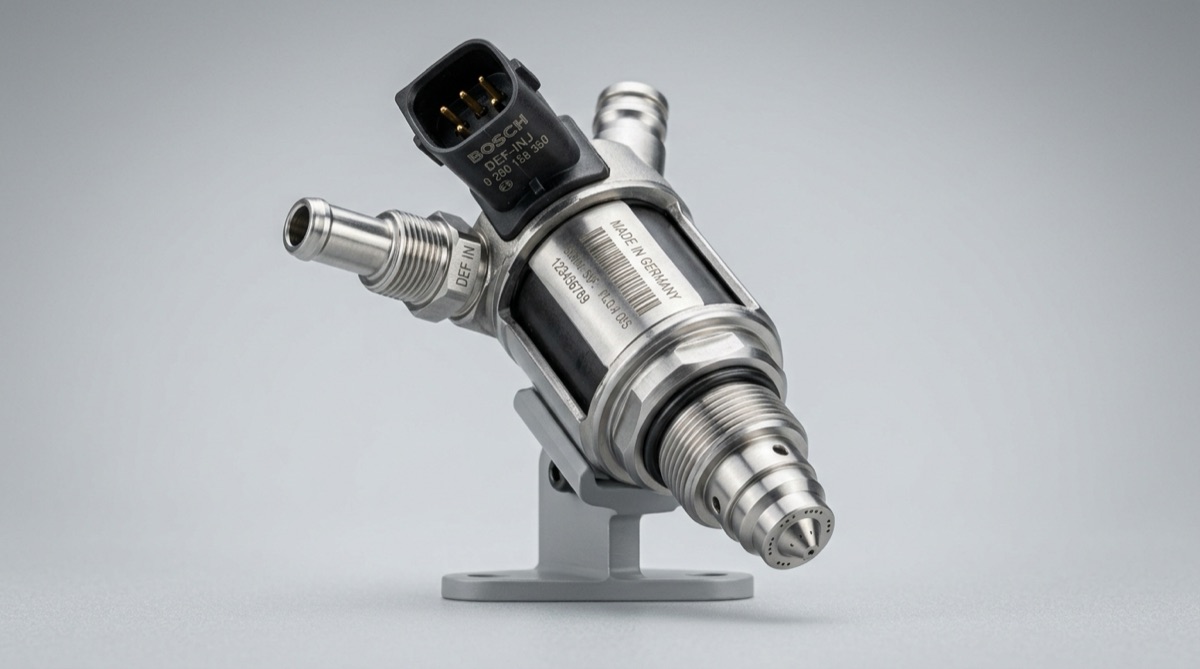
The P2047 diagnostic trouble code (DTC) represents a fundamental electrical failure in the Diesel Exhaust Fluid (DEF) system. Specifically, it indicates a “Reductant Injection Valve Circuit Open Bank 1 Unit 1.” Unlike performance-based codes (such as P204F) or efficiency codes (P218F), the P2047 code is purely electrical. It means the Powertrain Control Module (PCM) or the Dedicated Aftertreatment Control Module (ACM) has detected a lack of continuity or an improper voltage return on the injector solenoid circuit. This article provides an exhaustive technical analysis of the P2047 code, including circuit theory, electrical testing procedures, and wiring repair best practices for both light-duty and commercial diesel applications.
The Electrical Architecture of the DEF Dosing Valve
The reductant injection valve is a high-speed solenoid that acts as a precision gatekeeper for the pressurized Diesel Exhaust Fluid. Electrically, it is typically a two-wire component. One wire provides a 12V or 24V power supply (often through a relay or directly from the control module), and the other is a “Ground-Side Switched” circuit controlled by the PCM/ACM. This simple architecture is designed for reliability, but its exposure to the elements makes it vulnerable to a variety of failure modes.
The control module uses Pulse Width Modulation (PWM) to operate the valve. By rapidly switching the ground circuit on and off (measured in Hertz), the module can control exactly how long the valve stays open during each cycle, thereby metering the fluid with extreme precision. The PCM monitors the “Flyback Voltage”—the inductive kick created when the solenoid coil is de-energized—to verify that the circuit is intact and the solenoid is responding. If the expected voltage spike or current draw is not detected, the P2047 code is stored instantly, and the system often initiates a derate protocol to protect the environment.
Critical Failure Points in the P2047 Circuit
Electrical issues in the SCR system are common due to the harsh environment in which the wiring is routed. The following components are the most frequent culprits for a P2047 code, each requiring a specific diagnostic approach.
1. Solenoid Coil Failure (Internal Open)
The solenoid inside the DEF injector consists of hundreds of turns of fine copper wire. Over time, the constant thermal cycling (expanding when hot, contracting when cold) can cause the wire to fracture, resulting in an internal “open” circuit. In this state, the solenoid cannot create a magnetic field, and the valve remains shut. This is a common failure mode in high-mileage heavy-duty trucks where the engine runs for long hours at peak temperatures. A quick resistance check at the component level can usually confirm this failure.
2. Connector Corrosion and “Green Crust”
Because the DEF injector is located underneath the vehicle and often near the exhaust, it is exposed to road salt, moisture, and the corrosive nature of DEF itself. If a small leak develops at the fluid connection, the urea can find its way into the electrical connector. Urea is highly corrosive to copper and tin terminals, leading to the formation of “green crust” (copper oxide), which increases resistance or breaks the circuit entirely. This corrosion can also spread up the wiring harness (a process called “wicking”), leading to damage far away from the original leak site.
3. Harness Chafing and Abrasion
The wiring harness for the SCR system is often routed along the frame rail, where it is subject to constant vibration. Vibrations and movement during vehicle operation can cause the harness to rub against the frame or mounting brackets. If the insulation is worn through, the wire can break (Open Circuit) or touch the frame (Short to Ground), both of which will trigger a P2047 or related circuit code. Technicians should pay special attention to “P-clips” and routing points where the harness makes a tight turn.
Advanced Diagnostic and Testing Workflow
To resolve a P2047 code without “parts cannoning” the system, a technician must use a Digital Multimeter (DMM) and, ideally, an Oscilloscope. The goal is to isolate the failure to either the component, the wiring harness, or the control module itself.
Step 1: Resistance Testing at the Injector
Start by disconnecting the electrical connector from the DEF injector. Set your DMM to the Ohms (Ω) scale and measure the resistance across the two pins of the injector.
- Expected Result: Typically between 10.0 and 18.0 Ohms (refer to specific service manual for your engine model).
- Faulty Result (Open): An “OL” (Open Loop) reading indicates the internal coil is broken. The injector must be replaced.
- Faulty Result (Short): A reading below 2.0 Ohms indicates an internal short, which could potentially damage the control module’s driver circuit.
Step 2: Circuit Load Testing
A multimeter can show “12 Volts” on a wire that is held together by a single strand of copper, but that wire will fail when you try to run current through it. To truly test the harness, use a test light or a load tool. Connect the test light across the power and ground pins of the harness connector and command a “Dosing Valve Test” with your scan tool. If the test light flickers brightly and consistently, the wiring and the PCM driver are healthy. If it is dim, flickers inconsistently, or does not light at all, there is high resistance or an open in the harness.
Step 3: Oscilloscope Analysis (The Gold Standard)
For intermittent P2047 codes that only occur while driving, an oscilloscope is the best tool. Back-probe the ground-side control wire while the system is operating under load. You should see a clean, consistent square-wave pattern. If the “pull-down” to ground is not reaching 0V, or if the flyback voltage spike is missing or distorted, you have confirmed a driver issue in the PCM or a significant resistance problem in the wiring. This level of diagnosis prevents the unnecessary replacement of expensive control modules.
Repair and Environmental Considerations
When repairing a P2047 code, never use “crimp” connectors or “vampire” clips. The SCR system’s low-voltage signals are highly sensitive to resistance and electrical noise. Always use solder and adhesive-lined heat shrink tubing to ensure a watertight, permanent repair that can withstand the harsh under-chassis environment. If the connector is corroded, replace the pigtail entirely rather than attempting to clean the pins, as the corrosion is often deep inside the terminal crimp.
Additionally, check the “Dosing Valve Purge” logic after the repair is complete. If the valve was electrically dead for a long period, the lines may be full of crystallized urea, requiring a thorough flush before the vehicle is returned to service. A successful electrical repair is only half the battle; ensuring fluid flow is restored is critical for clearing the associated performance codes.
Recommended Resources
- Internal Blog: Understanding DEF Crystallization: Causes and Cures
- Product Page: Premium Electrical and Mechanical DEF Components
- External Resource: DieselNet – SCR Control Strategies
- External Resource: EPA – DEF Standards and Compliance