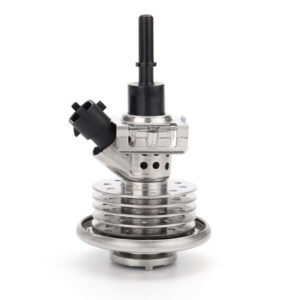
Understanding NOx Sensors: Functions, Applications, and Buying Guide
What are NOx Sensors?
NOx sensors are sophisticated devices designed to detect and measure nitrogen oxides (NO and NO2) emitted by internal combustion engines. They play an essential role in modern automotive systems by monitoring the effectiveness of emissions control technologies like selective catalytic reduction (SCR) and exhaust gas recirculation (EGR).
The importance of NOx sensors goes beyond vehicle performance; they are crucial for addressing environmental challenges. Nitrogen oxides are detrimental pollutants that degrade air quality and can cause respiratory illnesses. They contribute to smog and acid rain, making their regulation vital for public health and the environment.
To meet stringent regulatory standards established by various governments, vehicle manufacturers increasingly incorporate NOx sensors into their designs. These sensors facilitate real-time monitoring and regulation of emissions, ensuring vehicles adhere to required thresholds. Compliance is crucial for passing emissions tests and for fostering sustainable practices within the automotive industry.
In summary, NOx sensors are critical components that ensure the effective operation of emission control technologies while playing a key role in minimizing the environmental impact of vehicles. Their capacity to deliver precise readings of nitrogen oxides is indispensable for manufacturers seeking to comply with environmental regulations and uphold public health standards.
How NOx Sensors Work
Building on the significance of NOx sensors, it’s essential to understand their operational mechanisms. These sensors are vital for modern emission control systems, monitoring nitrogen oxide (NOx) levels in exhaust gases. Their functioning relies on a complex mechanism involving several key components, primarily electrochemical cells. Strategically positioned in the exhaust stream of vehicles, these sensors provide real-time data on emissions.
The core mechanism of action is based on an electrochemical reaction occurring within the sensor. As exhaust gases flow through the sensor, they interact with a catalytic surface, where a chemical reaction occurs between the NOx gases and the internal electrolyte. This interaction generates an electrical signal proportional to the concentration of NOx present.
Key components of NOx sensors include:
- Electrochemical Cells: Devices responsible for sensing NOx quantities, containing an anode, cathode, and electrolyte that facilitate the detection process.
- Signal Processing Systems: After the electrochemical reaction, the generated voltage signal is processed and amplified by the sensor’s onboard circuitry before it’s relayed to the vehicle’s engine control unit (ECU).
The data collected by NOx sensors is crucial for the vehicle’s computer, which manages engine performance and emission control strategies. The ECU utilizes this information to adjust combustion parameters, promoting optimal fuel efficiency and minimal pollutant emissions. This integration not only aids in meeting environmental regulations but also enhances the overall performance of the vehicle. Thus, understanding the functionality of NOx sensors is vital for anyone involved in vehicle maintenance or environmental compliance, as they are integral to achieving reduced emissions and improved air quality.
Common NOx Sensor Issues and Troubleshooting
Focusing on practical considerations, it’s important to acknowledge that NOx sensors can develop issues over time. While NOx sensors are critical for monitoring nitrogen oxide emissions, they can malfunction like any sensor. Identifying signs of a failing NOx sensor is essential to maintaining compliance with emissions regulations and ensuring optimal vehicle performance. Below are common symptoms, causes, and troubleshooting steps associated with NOx sensor problems.
Common Symptoms of a Faulty NOx Sensor:
- Check Engine Light: One of the first signs of a malfunctioning NOx sensor is the illumination of the check engine light on the dashboard.
- Increased Emissions: A faulty sensor can lead to heightened emissions, potentially resulting in vehicles failing emissions tests.
- Decreased Fuel Efficiency: Inaccurate NOx readings may cause incorrect fuel-air mixtures, leading to poor fuel economy.
- Rough Engine Performance: Erratic sensor data can influence engine timing and performance, causing hesitation or stalling.
Typical Causes of NOx Sensor Failures:
- Contamination from exhaust gases or oil.
- Physical damage due to impact or harsh environmental conditions.
- Electrical issues, including broken wires or poor connections.
- Age-related wear and tear, typically after several thousand miles of operation.
Basic Troubleshooting Steps:
- Begin by checking the vehicle’s OBD-II codes to see if any codes relate to the NOx sensor.
- Examine the wiring and connections for signs of damage or corrosion.
- Clean the sensor and surrounding area to eliminate possible contaminants.
- If issues persist, consider replacing the NOx sensor, as it may have reached the end of its operational life.
Troubleshooting Checklist:
- Run OBD-II diagnostics.
- Inspect wiring and connectors.
- Check for exhaust leaks.
- Perform a physical examination of the sensor.
By recognizing these common issues and following the appropriate troubleshooting steps, vehicle owners and maintenance professionals can effectively resolve NOx sensor problems before they escalate into more severe engine issues or costly repairs.
Comparison of NOx Sensor Types
Continuing with our analysis, it’s essential to evaluate the various options available in the market. NOx sensors play a pivotal role in monitoring emissions in different vehicles and industrial applications. Several types of NOx sensors exist, each with unique features, benefits, and drawbacks. Below, we will compare three common sensor types: electrochemical, solid-state, and metal-oxide sensors.
- Electrochemical SensorsElectrochemical sensors function based on the reaction of NOx with an electrolyte, generating measurable electrical signals.
- Advantages: High accuracy and sensitivity to low NOx concentrations, suitable for applications requiring precise emission measurements.
- Disadvantages: Limited lifespan, susceptible to temperature and humidity fluctuations.
- Solid-State SensorsSolid-state sensors employ semiconductor materials to detect NOx levels through variations in electrical resistance.
- Advantages: Durable, capable of functioning in harsh environments, and provide fast response times.
- Disadvantages: Generally less accurate than electrochemical sensors and may necessitate frequent calibration.
- Metal-Oxide SensorsMetal-oxide sensors detect NOx by measuring the conductance change in metal-oxide materials when exposed to gaseous pollutants.
- Advantages: Cost-effective and suitable for long-term monitoring of general air quality.
- Disadvantages: Lower sensitivity and selectivity, making them less reliable for specific NOx detection.
In terms of cost, electrochemical sensors tend to be pricier due to their advanced technology, while metal-oxide sensors present a budget-friendly alternative. The selection of an appropriate NOx sensor largely depends on the specific application, required sensitivity, and environmental conditions faced by the vehicle or system in which they are employed.
Buying Guide for NOx Sensors
As we move towards acquiring a NOx sensor, it’s crucial to consider several factors to ensure optimal performance and compatibility with your vehicle or machinery. Here are vital features and tips to guide you in selecting the right NOx sensor.
- Compatibility: Confirm that the NOx sensor is compatible with your specific make and model. Check the manufacturer’s specifications or consult with a technician to avoid installation issues.
- Performance Standards: Seek sensors that meet or surpass industry standards, like ISO certifications or OEM specifications, to guarantee reliability and accuracy in monitoring nitrogen oxide levels.
- Response Time: Assess the sensor’s response time to ensure it can rapidly detect NOx levels, crucial for effective emissions control and engine performance.
When considering brands and suppliers, it’s advisable to choose reputable manufacturers known for quality and customer support. Brands such as Bosch, Denso, and ACDelco have established credibility in the market and are frequently recommended for their trusted products and durability. Additionally, consider purchasing from authorized dealers or well-reviewed online retailers to ensure you receive authentic parts.
Warranty and support also play significant roles in your purchasing decision. Choose NOx sensors that include a substantial warranty period, as this reflects the manufacturer’s confidence in their product. Furthermore, evaluate the availability of customer support, which can be invaluable should you experience any issues after installation.
Checklist for Selecting the Right NOx Sensor:
- Confirm vehicle compatibility
- Verify industry performance standards
- Check response time specifications
- Research brand reputation and reviews
- Evaluate warranty and customer service options
By following these guidelines, you’ll be well-prepared to select a NOx sensor that meets your needs and enhances the effectiveness of your emission control systems.
Frequently Asked Questions (People Also Ask)
Understanding NOx sensors is vital for maintaining vehicle performance and reducing harmful emissions. Here are answers to some common questions regarding these essential components:
- What are the signs of a failing NOx sensor? Common indicators include decreased fuel efficiency, check engine light illumination, increased exhaust emissions, and noticeable engine performance issues, such as stalling or rough idling.
- Can a NOx sensor be repaired, or does it need replacement? Generally, NOx sensors are not designed for repair. Their intricate structure and sensitivity to exhaust conditions mean replacement is the most effective solution when they fail.
- How often should NOx sensors be replaced? Typically, it is recommended to replace NOx sensors every 50,000 to 100,000 miles, but consult your vehicle’s service manual for specific guidance based on your make and model.
- How do NOx sensors impact vehicle performance? NOx sensors are crucial for monitoring and controlling nitrogen oxide emissions. A malfunctioning sensor can lead to incorrect readings, resulting in poor fuel economy, increased emissions, and less efficient engine performance.
- What maintenance is required for NOx sensors? Regular vehicle inspections can help identify potential issues with NOx sensors. Keeping the exhaust system clean and ensuring appropriate engine tuning can also extend the life of your sensors.