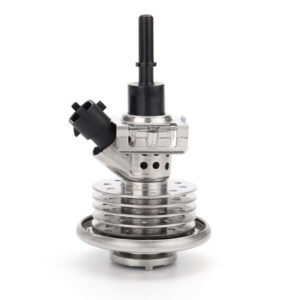
What Happens When an AdBlue Injector Fails? A Complete Guide to SCR System Breakdowns
Key Takeaway
AdBlue injector failure can lead to complete SCR system shutdown, increased emissions, and potential regulatory violations. Understanding the warning signs and having a maintenance plan is crucial for industrial operations.
In today's industrial landscape, Selective Catalytic Reduction (SCR) systems are essential for meeting stringent emissions standards. At the heart of these systems lies the AdBlue injector—a critical component that, when it fails, can bring entire operations to a halt.
Understanding AdBlue Injector Function
The AdBlue injector serves as the precision delivery system for Diesel Exhaust Fluid (DEF) in SCR technology. This component must accurately meter and inject the correct amount of AdBlue into the exhaust stream to ensure optimal NOx reduction. When functioning properly, it operates thousands of times per day with microscopic precision.
How AdBlue Injectors Work
- • Receives electronic signals from the engine control unit (ECU)
- • Precisely meters AdBlue based on exhaust flow and temperature
- • Creates fine mist for optimal mixing with exhaust gases
- • Maintains consistent pressure and flow rates
Common Signs of AdBlue Injector Failure
Recognizing the early warning signs of injector failure can save thousands in downtime and repairs. Here are the most common indicators:
Immediate Warning Signs
- • Dashboard warning lights
- • Reduced engine power
- • Error codes (P20EE, P204F)
- • AdBlue consumption anomalies
Progressive Symptoms
- • Irregular injection patterns
- • Crystallization around injector
- • Poor atomization quality
- • Inconsistent NOx reduction
What Happens During Injector Failure
When an AdBlue injector fails, a cascade of events occurs that can severely impact your operation:
Stage 1: Initial Malfunction (0-24 hours)
The ECU detects irregular injection patterns and triggers warning lights. AdBlue consumption may increase or decrease dramatically as the system attempts to compensate.
Stage 2: System Protection Mode (24-72 hours)
Engine power is reduced to limit emissions output. The vehicle or equipment enters "limp mode" to prevent environmental violations while allowing limited operation.
Stage 3: Complete Shutdown (72+ hours)
If not addressed, the system will prevent engine restart to ensure compliance with emissions regulations. This is when downtime becomes critical.
Impact on Industrial Operations
For industrial applications, AdBlue injector failure extends far beyond a simple maintenance issue:
Financial Impact Analysis
Regulatory Consequences
Operating with a failed AdBlue injector can result in:
- EPA violations and fines ranging from $2,500 to $25,000 per day
- State environmental agency penalties
- Potential shutdown orders for non-compliant equipment
- Increased scrutiny during future inspections
Root Causes of Injector Failure
Understanding why AdBlue injectors fail helps prevent future issues:
Contamination Issues
- × Poor quality AdBlue with impurities
- × Contaminated storage tanks
- × Incorrect fluid specifications
- × Water contamination from condensation
Mechanical Factors
- × Crystallization from heat cycling
- × Clogged nozzles and filters
- × Electrical connection corrosion
- × Excessive vibration damage
Prevention and Maintenance Strategies
Proactive maintenance is far more cost-effective than emergency repairs. Here's a comprehensive approach:
Best Practices Checklist
Daily Operations
- ✓ Monitor AdBlue consumption rates
- ✓ Check for warning lights
- ✓ Verify fluid levels
- ✓ Document any irregularities
Scheduled Maintenance
- ✓ Replace filters every 500 hours
- ✓ Clean injector nozzles monthly
- ✓ Test injection patterns quarterly
- ✓ Calibrate system annually
Quality AdBlue Selection
Not all AdBlue is created equal. For industrial applications, consider:
- ISO 22241 certified products only
- Suppliers with quality assurance programs
- Temperature-controlled storage and delivery
- Regular fluid testing and analysis
Emergency Response Plan
When injector failure occurs, having a structured response plan minimizes downtime:
Immediate Actions (First 2 Hours)
- 1. Document all error codes and symptoms
- 2. Contact certified SCR technician
- 3. Assess operational alternatives
- 4. Notify regulatory compliance team if applicable
- 5. Prepare backup equipment if available
Repair vs. Replace Decision
The choice between repair and replacement depends on several factors:
| Factor | Repair | Replace |
|---|---|---|
| Age of injector | Under 3 years | Over 5 years |
| Failure frequency | First occurrence | Multiple failures |
| Cost consideration | Under 40% of new | Over 60% of new |
Future-Proofing Your SCR System
Modern SCR systems offer advanced monitoring capabilities that can predict failures before they occur:
Smart Diagnostics
Real-time monitoring of injection patterns, pressure, and flow rates with predictive analytics.
Remote Monitoring
Cloud-based systems that alert maintenance teams before critical failures occur.
Automated Maintenance
Self-cleaning cycles and automated calibration reduce manual maintenance requirements.
Conclusion
AdBlue injector failure is a serious issue that demands immediate attention and proactive prevention. The consequences extend far beyond simple mechanical problems, affecting regulatory compliance, operational efficiency, and bottom-line profitability.
By understanding the warning signs, implementing proper maintenance protocols, and having emergency response plans in place, industrial operators can minimize the impact of injector failures and maintain optimal SCR system performance.
Need Expert SCR Support?
Our team of SCR specialists provides comprehensive solutions for industrial applications, from custom system design to emergency repair services. We understand that downtime isn't an option in your operation.
Contact us for professional consultation on your SCR system maintenance and optimization needs.