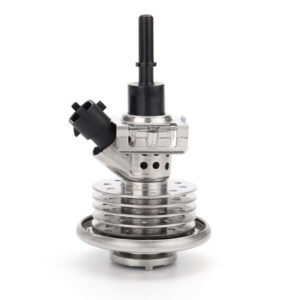
Understanding Selective Catalytic Reduction (SCR) Systems: A Comprehensive Guide
What is a Selective Catalytic Reduction (SCR) System?
Selective Catalytic Reduction (SCR) is an advanced technology that aims to minimize harmful nitrogen oxide (NOx) emissions emitted from diesel engines. This system utilizes a chemical reaction facilitated by a catalyst to convert these pollutants into benign nitrogen and water vapor, thereby playing a crucial role in adhering to strict environmental regulations and improving air quality.
To grasp the workings of SCR systems, it’s essential to identify their core components:
- Catalyst: The pivotal element of the SCR system, this component catalyzes the chemical reaction that changes NOx into nitrogen (N2) and water (H2O). Often composed of materials like vanadium and titanium, the catalyst functions efficiently at high temperatures.
- Diesel Exhaust Fluid (DEF): A harmless solution made up of 32.5% urea and 67.5% deionized water, DEF is injected into the exhaust stream prior to reaching the catalyst. When introduced to the elevated temperatures of the exhaust, DEF decomposes into ammonia (NH3), which then reacts with NOx to produce nitrogen and water.
- Control Unit: This electronic component oversees the system’s functioning, ensuring optimal DEF injection based on real-time emissions data and engine performance metrics.
The fundamental operational principle of SCR technology is relatively simple. As diesel exhaust traverses the SCR system, DEF is injected ahead of the catalyst under conditions designed to enhance the reduction process. The exhaust gases flow through the catalyst, where ammonia produced from DEF reacts with NOx, facilitating their conversion into nitrogen and water. This method not only reduces NOx emissions but also enhances fuel efficiency, establishing SCR as a vital component of contemporary diesel engine design.
How Selective Catalytic Reduction Systems Work
Divulging deeper into Selective Catalytic Reduction (SCR), it’s evident that this technology is key in minimizing nitrogen oxide (NOx) emissions from diesel engines and industrial applications. The process employs a chemical reaction to transform detrimental NOx gases into harmless nitrogen and water vapor, achieving this with the aid of a catalyst and a reductant, generally ammonia.
The SCR process can be encapsulated in a series of chemical reactions:
- NO + NH3 + Catalysis → N2 + H2O
- NO2 + NH3 + Catalysis → N2 + H2O
In these reactions, ammonia (NH3) serves as the reducing agent, either sourced from a storage tank or generated on-site through various methods. Precise ammonia dosing is crucial, as excess ammonia can result in undesirable ammonia slip.
Additionally, the efficiency of SCR systems is heavily influenced by operational conditions. Typically, the ideal temperature range for optimal SCR function is between 250°C and 600°C (482°F to 1112°F). Within these temperatures, the NOx reduction reactions proceed more readily, guaranteeing maximal efficiency. Furthermore, maintaining appropriate pressure levels within the system is vital for ensuring proper exhaust gas flow through the catalyst.
In summary, SCR technology exemplifies an impressive capacity to enhance air quality by leveraging ammonia as a reducing agent while operating under specific temperatures and pressures to prompt essential chemical reactions. With the correct deployment of SCR systems, industries can substantially lessen their environmental impact while fulfilling regulatory demands.
Key Applications of SCR Technology
Highlighting the significance of SCR systems, Selective Catalytic Reduction (SCR) technology has emerged as a fundamental mechanism across diverse industries for its effectiveness in reducing nitrogen oxide (NOx) emissions. Its applications range across the automotive sector, power generation, and various industrial processes, emphasizing its versatility and pivotal role in contemporary environmental management.
Within the automotive industry, SCR systems are predominantly utilized in diesel vehicles. The introduction of a urea-based solution, commonly called diesel exhaust fluid (DEF), into the exhaust stream enables SCR technology to catalyze the chemical reaction that transforms NOx into nitrogen and water vapor. This application not only assists manufacturers in adhering to stringent emissions standards but also significantly boosts the overall efficiency of diesel engines.
Moreover, SCR systems find critical application in the power generation industry. Natural gas and coal-fired power plants deploy SCR technology to alleviate harmful NOx emissions resulting from combustion processes. The implementation of SCR in these facilities empowers operators to comply with regulatory standards while curtailing the environmental ramifications of energy production. For instance, a leading power plant located in the Midwest adopted an SCR system and recorded a 90% reduction in NOx emissions, demonstrating the technology’s efficiency.
Furthermore, SCR technology is vital across various industrial machinery and processes. Industries such as cement production, steel manufacturing, and waste incineration integrate SCR systems to treat exhaust gases emitted during these energy-demanding operations. By enhancing air quality and reducing harmful emissions, SCR assists in regulatory compliance while improving the sustainability profile of industrial activities.
In conclusion, SCR technology represents a crucial solution across multiple sectors, effectively addressing emission challenges while supporting environmental initiatives. Its proven effectiveness, highlighted through real-world applications, underscores the importance of investing in SCR systems to secure a cleaner, more sustainable future.
Comparative Analysis of SCR Technologies
Moving forward from the applications of SCR technology, it is pertinent to examine the distinct characteristics of various Selective Catalytic Reduction (SCR) technologies crucial for reducing nitrogen oxide (NOx) emissions in multiple industrial settings. This section provides a comparative analysis of different SCR systems, focusing on their catalysts, performance metrics, and associated advantages and disadvantages.
Currently, three predominant types of SCR technologies are operational:
- Vanadia-based Catalysts: These catalysts are widely adopted due to their expansive temperature range and high NOx reduction efficiency. Nevertheless, they necessitate careful management to minimize the occurrence of ammonia slips.
- Zeolite-based Catalysts: Renowned for their resistance to sulfur poisoning, zeolite catalysts exhibit efficient operation at lower temperatures, making them adaptable for various applications. However, they typically incur a higher initial cost when contrasted with traditional vanadia-based systems.
- Non-thermal Plasma SCR: This pioneering technology merges electrical discharge with catalytic processes, achieving elevated NOx reduction rates even under fluctuating conditions. The main challenges include system design complexity and potentially elevated operational expenses.
When evaluating performance metrics, several aspects warrant consideration:
- Efficiency: Vanadia-based systems can accomplish up to 90% NOx reduction, while zeolite systems usually achieve between 80% and 85% under optimal circumstances.
- Maintenance Needs: Vanadia catalysts may require more frequent monitoring and upkeep due to their sensitivity to operational conditions; conversely, zeolite systems generally offer longer intervals between maintenance cycles.
- Costs: Upfront installation and material costs for vanadia-based systems are usually lower; however, long-term operational expenses can be higher compared to the more durable zeolite alternatives.
In summary, every SCR technology carries its own set of advantages and challenges. The selection of a system primarily depends on specific operational requirements, budget limitations, and long-term maintenance needs.
Buying Guide for Selective Catalytic Reduction Systems
Having analyzed the comparative features of SCR technologies, it’s now essential to focus on practical considerations when selecting the right Selective Catalytic Reduction (SCR) system to optimize the reduction of nitrogen oxides (NOx) emissions. To make a well-informed choice, keep the following key factors in mind:
- Application Type: Ascertain the type of equipment or vehicle for which the SCR system will be utilized. Different applications, such as heavy-duty trucks, buses, or industrial machinery, may necessitate specialized SCR designs tailored to their operational demands.
- Engine Compatibility: Confirm that the selected SCR system is compatible with the designated engine. Review manufacturer specifications and the intended use of the SCR system to prevent compatibility issues that may lead to inefficiencies.
- Regulatory Compliance: Familiarize yourself with local and international NOx emission standards. Opt for an SCR system that meets or surpasses these regulations, as non-compliance can result in legal issues and penalties.
- Maintenance Requirements: Understand the maintenance obligations of the SCR system, including the frequency of DEF replenishment and any necessary inspections or cleaning. A system with lower maintenance requirements will reduce downtime and enhance overall efficiency.
- Total Cost of Ownership: Evaluate your budget not only for the initial purchase price but also for installation, maintenance, and operational costs. Systems with higher upfront costs may deliver better longevity and performance, ultimately leading to savings in the long term.
To assist in your decision-making process, utilize the following buying checklist:
- Define your application needs and engine specifications.
- Verify the regulatory standards pertinent to the SCR system.
- Compare maintenance demands across different systems.
- Calculate the total cost of ownership throughout the anticipated lifespan.
- Consult industry experts for insights regarding system performance and reliability.
By thoughtfully considering these factors, you can select a Selective Catalytic Reduction system that meets performance goals while adhering to regulatory requirements and fitting within your budget.
Frequently Asked Questions (People Also Ask)
As awareness of Selective Catalytic Reduction (SCR) systems increases, so too does the volume of inquiries surrounding their operation and implementation. Below are some commonly asked questions with answers designed to provide clarity for business owners, fleet managers, and environmental professionals.
- What are the main benefits of using SCR systems?
SCR systems drastically reduce nitrogen oxide (NOx) emissions, crucial for complying with environmental regulations. They also enhance fuel efficiency and can lead to decreased operational costs over time by optimizing engine performance. - How does SCR technology reduce NOx emissions?
SCR technology employs a chemical reaction aided by a catalyst to convert NOx emissions into harmless nitrogen and water vapor. This transformation occurs as the SCR system injects a urea solution, commonly referred to as diesel exhaust fluid (DEF), into the exhaust stream. - What maintenance is required for SCR systems?
Routine maintenance includes checking urea levels, examining the injector and catalyst, and confirming the absence of leaks. Moreover, periodic software updates and diagnostic checks are essential for sustaining optimal performance. - Are SCR systems applicable to gasoline engines?
While SCR technology is mainly utilized in diesel engines, it is gradually being adapted for certain gasoline engines, especially in hybrid and some high-performance vehicles. However, its broader application in gasoline engines remains limited compared to diesel. - How long do SCR systems typically last?
SCR systems can last from 5 to 10 years, influenced by usage, maintenance, and the overall quality of the system. Proper care and regular inspections can significantly extend the lifespan of the components involved. - What are the regulatory requirements for SCR implementation?
Numerous regions mandate compliance with stringent emissions regulations, such as the EPA standards in the United States or Euro emissions standards in Europe. Businesses contemplating SCR systems should familiarize themselves with local regulatory frameworks to ensure compliance.