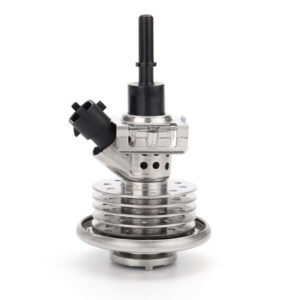
Understanding SCR vs DEF: Your Complete Guide
Discover the key differences between SCR systems and DEF fluid, and how they work together to reduce emissions in modern diesel engines.
The Quick Answer
SCR and DEF are not the same thing. SCR (Selective Catalytic Reduction) is the technology system that reduces harmful emissions, while DEF (Diesel Exhaust Fluid) is the chemical fluid that makes SCR work effectively.
SCR vs DEF: A Detailed Breakdown
SCR System
What it is:
An advanced emission control technology that reduces nitrogen oxides (NOx) in diesel exhaust by up to 95%.
Key Components:
- • SCR catalyst
- • DEF injection system
- • Control module
- • Temperature sensors
- • NOx sensors
Function:
Converts harmful NOx into harmless nitrogen and water vapor through chemical reactions.
DEF Fluid
What it is:
A high-purity aqueous solution containing 32.5% urea and 67.5% deionized water.
Key Properties:
- • Non-toxic and safe
- • Colorless and odorless
- • ISO 22241 certified
- • Freezes at 12°F (-11°C)
- • Shelf life: 2 years
Function:
Provides the ammonia source needed for the SCR chemical reaction to occur.
How SCR and DEF Work Together
DEF Injection
DEF is precisely injected into the exhaust stream before the SCR catalyst
Heat Conversion
High exhaust temperatures convert DEF into ammonia (NH3)
Chemical Reaction
Ammonia reacts with NOx over the SCR catalyst
Clean Output
NOx is converted to harmless nitrogen and water vapor
Why SCR Technology Matters
Environmental Compliance
Meets EPA Tier 4 Final and Euro VI emission standards, reducing NOx by up to 95%
Fuel Efficiency
Optimizes engine performance while maintaining fuel economy and power output
Cost Effective
Lower operating costs compared to other emission control technologies
Frequently Asked Questions
Can I use water instead of DEF?
No, water cannot replace DEF. DEF contains specific urea concentrations required for the chemical reaction. Using water will damage your SCR system and void warranties.
How often do I need to refill DEF?
DEF consumption is typically 2-6% of fuel consumption. Most vehicles need DEF refills every 5,000-10,000 miles, depending on driving conditions and engine load.
What happens if I run out of DEF?
Modern vehicles have DEF level sensors that provide warnings. If DEF runs out completely, the engine will enter "limp mode" with reduced power until DEF is refilled.
Is DEF safe to handle?
Yes, DEF is non-toxic and safe to handle. However, it can be mildly corrosive to certain metals, so avoid contact with copper, brass, or aluminum components.
Need Expert SCR Solutions?
Our professional team specializes in designing and developing customized SCR systems for OEMs and industrial applications. Get quality assurance and technical support at the best prices.