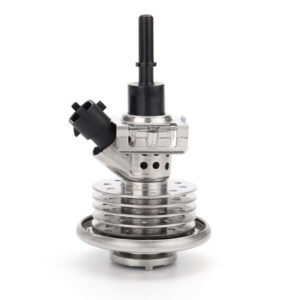
The Ultimate Guide to Urea Injectors: Selection, Maintenance, and Performance Enhancement
Understanding Urea Injectors
Urea injectors play a vital role in modern diesel engines by enhancing emission control. These components are responsible for injecting a urea solution, commonly referred to as Diesel Exhaust Fluid (DEF), into the exhaust system of a vehicle. This mixture aids in transforming harmful nitrogen oxides (NOx) emissions into harmless nitrogen and water vapor before they exit through the tailpipe.
The primary function of urea injectors is to facilitate the implementation of Selective Catalytic Reduction (SCR) technology. By introducing DEF into the exhaust stream, this process encourages a chemical reaction that significantly reduces NOx emissions. This not only assists in adhering to stringent environmental regulations but also contributes to a cleaner atmosphere.
Operationally, urea injectors are strategically placed within the exhaust system, typically upstream of the SCR catalyst. They operate by finely atomizing the DEF to ensure efficient mixing with the hot exhaust gases. This precise injection is critical; improper DEF injection can hinder the catalytic reaction, leading to increased emissions and potential engine performance issues.
- Definition: Urea injectors deliver a urea solution into the exhaust for NOx reduction.
- Emission Reduction: They enable compliance with EPA regulations by converting NOx to nitrogen and water.
- Operational Mechanics: Positioning and atomization of DEF are crucial for effective SCR performance.
Comprehending the function and importance of urea injectors is essential for any professional in the diesel engine industry. Therefore, proper selection and maintenance of these injectors are vital for optimal performance and adherence to emission standards.
How to Choose the Right Urea Injector
Selecting the appropriate urea injector for your diesel engine is crucial for ensuring optimal performance and compliance with environmental regulations. Here are the key factors to consider when making your choice:
- Compatibility with Vehicle Model: Urea injectors are not one-size-fits-all. Check the manufacturer’s specifications to ensure that the injector is designed for your specific diesel engine model. Some vehicles may require particular injector designs tailored to their emission systems.
- Performance Specifications: Evaluate the flow rate and pressure specifications of the urea injector. A higher flow rate may enhance performance, especially in larger engines, while the quality of materials used is critical for durability. Look for injectors crafted from corrosion-resistant materials to endure harsh operating conditions.
- Budget Considerations: While it can be tempting to opt for the most affordable option, investing in a high-quality urea injector will yield benefits in the long run. Consider the initial purchase price alongside the total lifecycle cost, including maintenance and replacement frequency.
- Warranty Options: A solid warranty can offer peace of mind and protect your investment. Look for injectors with substantial warranty coverage to safeguard against manufacturing defects or performance issues.
When evaluating urea injectors, consider the following checklist:
- Vehicle compatibility
- Flow rate and pressure specifications
- Material quality and durability
- Price and warranty options
By carefully assessing these factors, you can select a urea injector that meets your engine’s operational needs while enhancing overall performance and reliability.
Urea Injector Comparison
This section provides a comprehensive comparison of leading urea injectors available on the market. By evaluating specifications, pricing, and customer feedback, we aim to help you make an informed decision.
| Brand | Model | Specifications | Price | User Rating |
|---|---|---|---|---|
| Brand A | Model 1 | Flow Rate: 5 L/h, Material: Stainless Steel | $250 | 4.5/5 |
| Brand B | Model 2 | Flow Rate: 7 L/h, Material: Plastic | $200 | 4.2/5 |
| Brand C | Model 3 | Flow Rate: 4 L/h, Material: Aluminum | $300 | 4.8/5 |
Pros and Cons:
- Brand A: Pros: High durability; Cons: Higher price point.
- Brand B: Pros: Affordable; Cons: Lower flow rate may affect performance.
- Brand C: Pros: Excellent user ratings; Cons: Heavier material may affect installation.
When considering an appropriate urea injector, it’s crucial to evaluate not only the specifications but also customer ratings, reflecting reliability and performance in real-world conditions. Brands like Brand A and Brand C shine for their robust construction and performance, whereas Brand B provides a more budget-friendly option. Carefully matching your operational needs with the key features outlined here will ensure optimal functionality and longevity of your injector system.
Buying Guide for Urea Injectors
Purchasing a urea injector can be daunting, given the plethora of options available on the market. To streamline this process, this guide offers a structured approach to help you identify the right injector for your needs. Follow these steps to evaluate your options effectively:
- Determine Compatibility: Ensure that the urea injector is compatible with your vehicle or industrial equipment. Consult your equipment’s manual to identify specifications and requirements.
- Research Reliable Brands: Look for established manufacturers known for high-quality products. Brands with a solid reputation tend to offer better reliability and support.
- Assess Performance Features: Check for key features such as injection pressure, precision, and build quality. Features that enhance performance, such as anti-fouling technology, are worth considering.
- Compare Prices: While it’s important to stay within your budget, avoid choosing the cheapest option. Factor in the value of quality and performance over cost.
- Evaluate Supplier Credentials: Ensure that the supplier is reputable. Look for certifications, warranty offers, and return policies that protect your investment.
As you navigate through product listings, be mindful of potential red flags. Avoid products with unclear descriptions, inconsistent specifications, or lacking customer reviews. Be cautious of suppliers who do not provide adequate contact information, as this could indicate a lack of reliability.
Reading customer reviews and feedback is crucial. Reviews can provide insights into the injector’s real-world performance and potential issues that may not be listed in the specifications.
To summarize, here’s a comprehensive buying checklist:
- Compatibility with equipment
- Brand reputation
- Performance features
- Price vs. value
- Supplier credibility
- Customer feedback
By following these guidelines, you’ll be well-equipped to make a knowledgeable choice when purchasing a urea injector.
Maintenance and Troubleshooting of Urea Injectors
Urea injectors are critical for reducing emissions from diesel engines, making their maintenance essential for optimal performance. Routine upkeep not only maximizes the lifespan of these components but also ensures compliance with environmental regulations. Here are practical tips and guidelines to assist with the maintenance and troubleshooting of urea injectors.
Routine Maintenance Tips:
- Regularly check the urea tank for contamination. Ensure the urea solution is free of dirt and debris, meeting quality standards.
- Inspect the injector nozzle and housing for any signs of wear and tear. Keep these components clean to prevent blockages.
- Monitor the associated wiring and connectors for corrosion or damage, which can lead to electrical malfunctions.
- Follow the manufacturer’s recommended service intervals for flushing the injector system to eliminate buildup and deposits.
Signs of a Failing Urea Injector:
- Increased exhaust emissions, often detected by onboard diagnostics.
- Unusual engine performance, such as reduced power or stalling.
- Frequent warning lights or error codes on the dashboard related to the emissions system.
- Unusually high consumption of urea solution, indicating possible leaks or inefficiencies.
Troubleshooting Guide:
To address common urea injector issues, follow these steps:
- Step 1: Use diagnostic tools to retrieve error codes and identify issues.
- Step 2: Inspect the urea solution quality and tank for contamination.
- Step 3: Check electrical connections and continuity of the injector circuit.
- Step 4: Examine the injector for physical blockages and clean or replace as necessary.
- Step 5: After rectifying issues, re-test the system for proper operation and emissions compliance.
By following these maintenance tips and troubleshooting steps, users can ensure their urea injectors function efficiently, prolonging their operational life and enhancing overall engine performance.
Frequently Asked Questions
Understanding urea injectors is essential for maintaining optimal engine performance. Below are some common questions and their answers that may assist in clarifying your concerns regarding these vital components.
- What are the signs that a urea injector needs replacing?
Common indicators include increased diesel emissions, poor fuel economy, and the illumination of the check engine light. Unusual noises or vibrations during operation may also signal a failing injector. - How do I maintain my urea injector?
Regularly inspect the urea injector for leaks and ensure the surrounding area is free from dirt. Clean the injector according to the manufacturer’s guidelines and consider using quality urea solution to prevent crystallization. - Are aftermarket urea injectors reliable?
While many aftermarket options can offer competitive performance, it’s essential to research the supplier’s reputation and confirm compatibility with your vehicle’s specifications to ensure reliability. - Can a defective urea injector affect engine performance?
Yes, a malfunctioning urea injector can lead to inefficient combustion, resulting in reduced power output and increased emissions, potentially affecting compliance with regulatory standards. - How often should urea injectors be serviced?
It is advisable to service urea injectors according to the vehicle manufacturer’s maintenance schedule, typically every 40,000 to 60,000 miles, to preemptively address potential issues. - Is it possible to install a urea injector myself?
While technically feasible, installation requires specific tools and expertise. It is often recommended to consult a professional to avoid potential installation errors that could lead to costly damage.
For optimal performance and longevity of your urea injectors, pay attention to these FAQs and ensure you follow best maintenance practices.