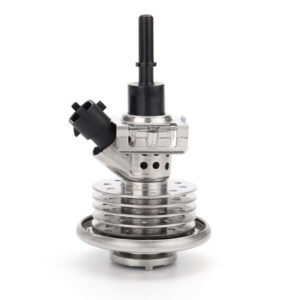
Understanding Fuel Injectors: Types, Functions, and Maintenance
What is a Fuel Injector?
A fuel injector is a crucial component of internal combustion engines, delivering the precise amount of fuel directly into the combustion chamber. This role is essential for the engine’s efficient operation, ensuring optimal fuel-air mixture for improved combustion efficiency and reduced emissions.
Fuel injectors are engineered to convert liquid fuel into a fine mist or spray, facilitating better mixing with air. This atomization is vital, as it enhances combustion, resulting in increased power and efficiency. Modern fuel injectors employ high-pressure systems for greater accuracy in fuel delivery, directly influencing engine performance. The operation of a fuel injector can be summarized in several key steps:
- Receiving fuel from the fuel rail.
- Opening and closing rapidly to deliver the appropriate fuel amount based on engine demands.
- Injecting fuel into the combustion chamber at the correct moment in the engine cycle.
There are primarily two types of fuel injectors: electronic and mechanical. Electronic fuel injectors are mainly used in modern vehicles, controlled by the engine control unit (ECU) for precise adjustments based on real-time engine performance data. Conversely, mechanical fuel injectors rely on mechanical pressure systems and are typically found in older engine designs. Each type has its advantages, depending on the specific application, fuel type, and desired performance characteristics.
Understanding the role and function of fuel injectors is crucial for diagnosing engine performance issues, optimizing fuel efficiency, and ensuring proper maintenance. This knowledge allows vehicle owners to take necessary steps to extend the lifespan of fuel injectors, thereby enhancing overall engine performance and reliability.
Types of Fuel Injectors and Their Functions
Fuel injectors play a vital role in both gasoline and diesel engines, providing precise fuel delivery to optimize engine performance. Given their importance, understanding the types of fuel injectors and their functions is essential for effective maintenance and troubleshooting.
Primarily, there are two types of gasoline fuel injectors:
- Multi-point Fuel Injectors (MPFI): Also known as port fuel injectors, these injectors are mounted in the intake manifold, spraying fuel directly into the air-fuel mixture before it enters the combustion chamber. They allow for regulated fuel-air mixing, improving ignition efficiency and reducing emissions.
- Direct Injection Fuel Injectors: In this system, fuel is injected directly into the combustion chamber at high pressures, enhancing power output and fuel efficiency. However, they require precise electronic controls and may lead to carbon buildup on intake valves.
For diesel engines, the most prevalent type is:
- Common-Rail Diesel Injectors: This technology enables multiple fuel injections within a single combustion cycle. The high-pressure common rail supplies fuel to each injector, allowing for optimal timing and quantity of injection, resulting in increased efficiency and reduced emissions.
When comparing these injector systems, several advantages and disadvantages emerge, offering insights into their efficacy:
- Gasoline Multi-Point Injectors: Advantages include lower cost and reduced emissions; disadvantages involve less fuel efficiency compared to direct injection.
- Direct Injection: Offers higher efficiency and performance but can be more expensive and cause maintenance issues such as carbon deposits.
- Common-Rail Diesel Injectors: Provide superior fuel delivery and efficiency but require higher maintenance costs and may lead to injector wear over time.
Each injector type has specific applications depending on the engine design and performance goals, making it crucial to understand these differences for optimal engine performance and longevity.
Common Signs of Fuel Injector Failure
As fuel injectors are vital for delivering the right amount of fuel to the engine, their failure presents several telltale signs that can indicate underlying issues. Identifying these symptoms early can save both time and money on repairs.
- Poor Engine Performance: A significant drop in power or acceleration may suggest that your fuel injectors are not delivering enough fuel. This imbalance affects the air-fuel mixture, which is essential for efficient combustion.
- Decrease in Fuel Efficiency: An uptick in fuel consumption may be due to clogged or malfunctioning injectors. When fuel injectors do not atomize fuel effectively, it can lead to poor combustion, resulting in higher fuel usage.
- Rough Idle: An uneven idle can indicate that fuel injectors are malfunctioning. This symptom is often characterized by a vibrating or shaking sensation when the engine is at rest, caused by inconsistent fuel delivery.
- Engine Misfires: Frequent engine misfires or hesitation during acceleration might indicate that one or more injectors are stuck open or closed, leading to fuel delivery issues.
- Unusual Noises: A knocking or pinging sound can arise from a lean air-fuel mixture due to injector failure, resulting in inadequate combustion within the engine.
Addressing these symptoms promptly ensures your vehicle runs smoothly and helps prevent extensive damage to the engine. Regular maintenance and timely inspections are crucial for maintaining the longevity and performance of your fuel injectors.
Maintenance and Troubleshooting Guide
Maintaining fuel injectors is essential for optimal engine performance and longevity. Regular upkeep can prevent significant failures and ensure efficient vehicle operation. Here are some best practices and troubleshooting tips to consider.
Best Practices for Cleaning Fuel Injectors:
- Use Quality Fuel: Always choose fuel from reputable sources to minimize deposits and impurities.
- Fuel System Cleaners: Periodically add fuel injector cleaner to your gas tank. This can help dissolve buildup and prevent clogging.
- Professional Cleaning: For persistent issues, consider professional cleaning services that utilize ultrasonic cleaning technology.
Importance of Regular Maintenance and Checks:
- Schedule regular inspections to check for leaks, blockages, or malfunctioning injectors.
- Regularly monitor engine performance and fuel economy; a sudden drop can indicate injector issues.
- Keep an eye on the fuel filter; a clogged filter can lead to injector problems by restricting fuel flow.
Troubleshooting Tips for Common Injector Issues:
- Stalling or Rough Idling: Check for clogged injectors or faulty injector timing.
- Check Engine Light: Use an OBD-II scanner to diagnose issues; this can pinpoint injector problems.
- Uneven Engine Performance: Conduct a balance test on fuel injectors; a significant imbalance may indicate failure.
Preventative Maintenance Checklist:
- Regularly replace fuel filters.
- Utilize high-quality fuel and additives.
- Schedule professional inspections biannually.
By adhering to these guidelines, you can effectively maintain your fuel injectors, enhancing overall vehicle performance and reliability.
Buying Guide for Fuel Injectors
Selecting the right fuel injectors for your vehicle is vital for maintaining optimal performance and fuel efficiency. This buying guide outlines the essential factors that influence your purchasing decision.
When considering fuel injectors, pay attention to the following factors:
- Vehicle Type: Ensure the injectors are compatible with your make and model. Some vehicles require specific designs and flow rates that match the engine’s specifications.
- Injector Type: Various types of fuel injectors are available, including port fuel injectors and direct injectors. Understanding your engine’s needs will help guide you to the appropriate choice.
- Compatibility: Verify that the fuel injectors align with your vehicle’s electronic control unit (ECU) and fuel delivery system. Using incompatible injectors can result in poor performance or engine damage.
- Budget: Fuel injectors can vary significantly in price. While it might be tempting to choose the cheapest option, investing in well-reviewed and reliable injectors can save money in the long run by reducing maintenance costs.
For outstanding performance and reliability, consider these recommended brands and models:
- Bosch: Known for precision engineering, Bosch fuel injectors are often OEM replacements that provide excellent reliability.
- DeatschWerks: This brand specializes in high-performance injectors, ideal for aftermarket builds and racing applications.
- Injectors Direct: A reputable choice for a wide range of applications, offering injectors with optimized flow rates and durability.
As a checklist for buyers, keep these specifications and considerations in mind:
- Ensure injectors match the engine’s specifications.
- Verify compatibility with your vehicle’s ECU.
- Consider flow rate and spray pattern.
- Review warranty and customer feedback on performance.
Selecting the appropriate fuel injectors depends on understanding your vehicle’s needs, evaluating options based on performance, and ensuring compatibility within your budget. Making an informed choice can enhance engine performance and efficiency.
Frequently Asked Questions (People Also Ask)
Many vehicle owners have common questions regarding fuel injectors, their functionality, and how to maintain them. Here are some answers to frequently asked questions:
- How can I tell if my fuel injector is faulty? Look for signs such as poor fuel economy, rough engine idle, and difficulty starting your vehicle. A diagnostic test can reveal injector performance issues.
- What are the symptoms of a bad fuel injector? Symptoms may include engine misfires, decreased acceleration, and black smoke from the exhaust, indicating an overly rich fuel mixture.
- How often should fuel injectors be cleaned or replaced? It is generally recommended to clean fuel injectors every 30,000 to 60,000 miles, while replacement may be necessary every 100,000 miles, depending on usage and fuel quality.
- Can I clean my fuel injectors instead of replacing them? Yes, in many cases you can clean fuel injectors using specialized cleaning solutions or a fuel injector cleaning service. However, severely damaged injectors may still need replacement.
- What is the average lifespan of a fuel injector? Typically, fuel injectors last between 50,000 to 100,000 miles, although proper maintenance can extend their lifespan.
- How do I know if my fuel injectors are clogged? Signs of clogged injectors may include a rough idle, reduced power, and difficulty starting. A fuel pressure test can confirm if the injectors are functioning properly.
Understanding these aspects of fuel injectors can significantly enhance vehicle performance and longevity. Regular maintenance and prompt attention to symptoms can prevent costly repairs down the line.