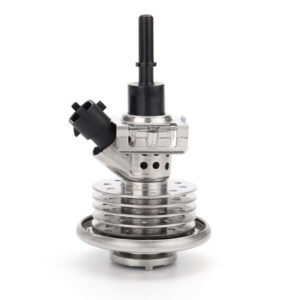
Diesel Exhaust Fluid (DEF) injectors are essential components in modern diesel engines equipped with Selective Catalytic Reduction (SCR) systems. Their main function is to inject a precise amount of urea-based DEF into the vehicle’s exhaust stream, facilitating the conversion of harmful nitrogen oxides (NOx) into nitrogen and water, thereby significantly reducing emissions.
What are Diesel Exhaust Fluid (DEF) Injectors?
Diesel Exhaust Fluid (DEF) injectors are essential components in modern diesel engines equipped with Selective Catalytic Reduction (SCR) systems. Their main function is to inject a precise amount of urea-based DEF into the vehicle’s exhaust stream, facilitating the conversion of harmful nitrogen oxides (NOx) into nitrogen and water, thereby significantly reducing emissions.
These injectors are pivotal in meeting stringent Environmental Protection Agency (EPA) regulations aimed at minimizing air pollution. As diesel engines produce NOx as a byproduct of combustion, DEF injectors ensure that the injected fluid triggers a chemical reaction to transform these pollutants before they can escape into the atmosphere.
Additionally, the efficiency of DEF injectors directly influences the overall performance of the SCR system. A properly functioning DEF injector enables optimal fluid atomization and distribution, enhancing the effectiveness of the NOx reduction process. Conversely, a malfunctioning injector can result in insufficient DEF delivery, leading to higher emissions and potential non-compliance with environmental standards.
- Definition: DEF injectors are specialized devices responsible for delivering diesel exhaust fluid into the exhaust system.
- Role: They enable the chemical reaction necessary to break down NOx emissions.
- Importance: Crucial for compliance with EPA regulations and maintaining air quality standards.
In summary, Diesel Exhaust Fluid injectors are not mere auxiliary components; they are fundamental in ensuring that diesel engines operate within environmental guidelines while efficiently reducing harmful emissions.
Key Features of DEF Injectors
When selecting a Diesel Exhaust Fluid (DEF) injector, it is essential to understand its key features to ensure optimal performance and compliance with emissions standards. Here are critical specifications and characteristics to consider:
- Flow Rates and Efficiency: DEF injectors are designed to precisely distribute the fluid into the exhaust stream. The flow rate is a vital factor, as it directly affects NOx reduction efficiency. Look for injectors with adjustable flow rates that can be tailored to specific engine requirements, ensuring enhanced performance and lower emissions.
- Build Quality and Materials: A well-constructed DEF injector is crucial for longevity and reliability. High-quality materials such as stainless steel and advanced plastics are commonly used to withstand the corrosive properties of DEF. Additionally, consider injectors with protective coatings that prevent wear from thermal cycling and fluid exposure, contributing to extended service life.
- Technology Features: Modern DEF injectors incorporate advanced technologies, including innovative nozzle designs that promote atomization and optimal mixing with exhaust gases. It is also essential to ensure compatibility with various diesel engine models, as some injectors are engineered specifically for certain applications, enhancing overall engine performance and fuel efficiency.
By focusing on these key features, you can make an informed choice when selecting a DEF injector that meets both performance expectations and regulatory requirements.
Choosing the Right DEF Injector
Choosing the right Diesel Exhaust Fluid (DEF) injector is critical for maintaining your vehicle’s emission system performance. Defective or incompatible injectors can lead to reduced efficiency and potential engine damage, so it’s important to consider several factors before making a purchase.
First, ensure that the DEF injector is compatible with your vehicle’s make and model. Each manufacturer has specific requirements, and using an incorrect injector can cause serious operational issues. Always consult your vehicle’s manual or contact the manufacturer to confirm compatibility.
Next, evaluate the performance metrics of the DEF injector. Look for specifications such as spray patterns, flow rates, and response time. High-performance injectors typically feature advanced designs that enhance DEF atomization and distribution, resulting in more effective NOx reduction. Research customer reviews and assess how the injector performs under various load conditions.
Brand reputation is another significant factor. Opt for manufacturers with a strong industry track record and robust warranties. A reliable brand often indicates quality, durability, and effective customer support should you encounter any issues.
Before purchasing a DEF injector, consider asking the following questions:
- Is this injector compatible with my specific vehicle model?
- What is the expected lifespan of this injector?
- Are there any known compatibility issues with this brand?
- What warranty or support options are available?
- What do other users say about the injector’s performance?
By taking these considerations into account, you can make a well-informed decision and ensure optimal performance for your vehicle’s emission control system.
Comparative Analysis of Leading DEF Injectors
When selecting a Diesel Exhaust Fluid (DEF) injector, considering various factors, including pricing, specifications, and user reviews, is crucial. Below is a comparative analysis of some leading DEF injectors currently available on the market, highlighting their key differences and advantages.
| Brand | Model | Price | Specification | User Reviews |
|---|---|---|---|---|
| Brand A | Model X1 | $150 | High efficiency, easy installation | 4.5/5 (Excellent performance) |
| Brand B | Model Y2 | $130 | Durable construction, withstands extreme temperatures | 4.2/5 (Reliable under pressure) |
| Brand C | Model Z3 | $175 | Advanced nozzle design, improved fluid atomization | 4.8/5 (Best in class) |
Key differences and advantages of leading DEF injectors include:
- Brand A’s Model X1: Renowned for its straightforward installation process, making it ideal for users who prefer easy replacement.
- Brand B’s Model Y2: This injector’s robust design allows it to excel in extreme conditions, a major benefit for heavy-duty applications.
- Brand C’s Model Z3: Its advanced design delivers superior fluid atomization performance, which can enhance engine efficiency.
Consider these factors and reviews to make an informed choice when purchasing a DEF injector, ensuring that compatibility and performance align with your specific needs.
Installing and Maintaining DEF Injectors
Correctly installing and maintaining Diesel Exhaust Fluid (DEF) injectors is essential for guaranteeing optimal performance and longevity of your diesel vehicle’s emission system. Follow these guidelines for successful installation and ongoing maintenance.
Step-by-Step Installation Guide:
- Preparation: Gather all necessary tools and components, including a clean workspace, protective gloves, and safety glasses.
- Disconnect Power: Ensure the vehicle’s battery is disconnected to avoid electrical accidents.
- Remove Old Injector: Carefully disconnect the DEF lines and electrical connectors from the old injector. Use proper tools to unfasten it from its mounting.
- Install New Injector: Position the new DEF injector in place, securing it with bolts in accordance with the manufacturer’s specifications. Reconnect DEF lines and electrical connectors.
- Reconnect Power: After installation, reconnect the vehicle’s battery and check for leaks while running the engine.
Common Maintenance Practices:
- Regularly inspect the injector for cracks or signs of wear.
- Clean the injector ports to prevent clogging, ensuring unobstructed DEF flow.
- Monitor DEF levels and quality; always use certified ISO 22241 compliant fluids.
- Periodically run diagnostic tests to detect any irregularities in injector performance.
Signs the Injector May Need Service or Replacement:
- Decreased engine performance, indicated by lowered power or erratic idling.
- Frequent or abnormal warning lights related to the emissions system.
- Visible leaks around the injector area.
- Excessive exhaust emissions exceeding regulatory standards.
By following these installation and maintenance practices, you’ll not only prolong the life of your DEF injectors but also enhance the overall efficiency and compliance of your diesel vehicle.
Troubleshooting Common DEF Injector Issues
Diesel Exhaust Fluid (DEF) injectors are vital for reducing nitrogen oxide emissions in modern diesel engines. However, like any component, they may encounter issues that can affect performance. Understanding common symptoms of injector failure and how to troubleshoot them can save time and costs associated with repairs.
Common Symptoms of Injector Failure:
- Activation of the check engine light related to DEF quality or dosing errors.
- Reduced engine performance or efficiency.
- Unusual engine noises during operation.
- Visible DEF leakage around the injector area.
- Increased exhaust emissions or the smell of ammonia.
Troubleshooting Steps to Diagnose Issues:
- Visual Inspection: Start by examining the injector for any visible damage or leaks.
- Check DEF Quality: Ensure that the DEF used complies with ISO 22241 standards, as impurities can clog injectors.
- Electrical Connections: Inspect the electrical connectors for corrosion or loose wiring, which may interfere with operation.
- Test for Flow: Conduct a flow test to confirm the injector dispenses the correct DEF amount during operation.
- Diagnostic Tools: Utilize an OBD-II scanner to identify specific error codes related to DEF system malfunctions.
When to Seek Professional Help: If troubleshooting steps do not resolve the issues, or if you are uncomfortable performing these checks, it is advisable to consult a professional mechanic. DEF injectors can be sensitive components, and improper handling may lead to further damage.
FAQs:
- What should I do if my DEF injector is leaking? – Cease using the vehicle immediately and inspect the injectors to identify the source of the leak.
- How often should I check my DEF system? – Regular checks are advised, particularly before long trips or after maintenance work.
- Can I clean a clogged DEF injector myself? – While cleaning is possible, it requires specific knowledge and tools; consulting a professional is recommended.
Frequently Asked Questions about DEF Injectors
Understanding Diesel Exhaust Fluid (DEF) injectors is essential for maintaining the efficiency and compliance of diesel vehicles. Here are some frequently asked questions that can help you navigate common concerns regarding DEF injectors.
- What are the common signs of a failing DEF injector? Symptoms may include poor engine performance, increased emissions, reduced fuel efficiency, and warning lights on the dashboard, particularly the check engine light or DEF-related alerts. If you notice any of these signs, it is crucial to have the injector inspected promptly.
- How often should DEF injectors be replaced? Typically, DEF injectors should be inspected during regular maintenance intervals, generally every 15,000 to 30,000 miles. However, factors such as fluid quality and operational conditions might warrant more frequent checks and potential replacements.
- Can you clean a DEF injector, or does it need to be replaced? While minor fouling can sometimes be remedied through cleaning, severe contamination generally necessitates the replacement of the DEF injector. Assessing the extent of contamination and consulting a professional for guidance is essential.
- What is the lifespan of a DEF injector? The lifespan can vary significantly based on usage and maintenance practices, but DEF injectors typically last between 150,000 to 200,000 miles. Regular maintenance and the use of high-quality DEF can help extend their longevity.
- How do I know if my DEF injector is compatible with my vehicle? Compatibility can typically be confirmed through your vehicle’s owner manual, manufacturer specifications, or by consulting parts suppliers specializing in DEF systems. Ensure to select injectors that meet OEM standards for optimal performance.