The Critical Role of DEF Purity
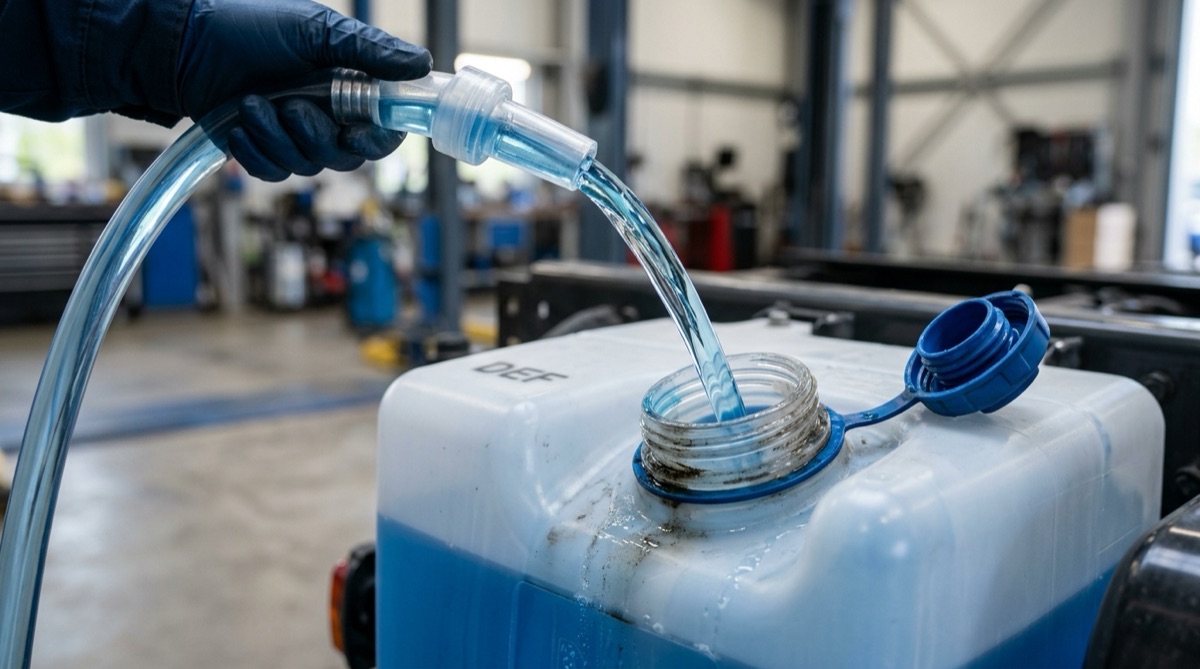
Diesel Exhaust Fluid (DEF) is a high-precision chemical reagent. The ISO 22241 standard specifies that it must be 32.5% high-purity urea and 67.5% deionized water. When the quality of this fluid deviates—whether through contamination, improper storage, or “home-brewed” attempts—the first component to suffer is the DEF injector.
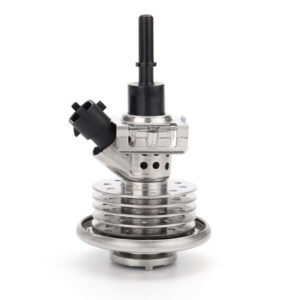
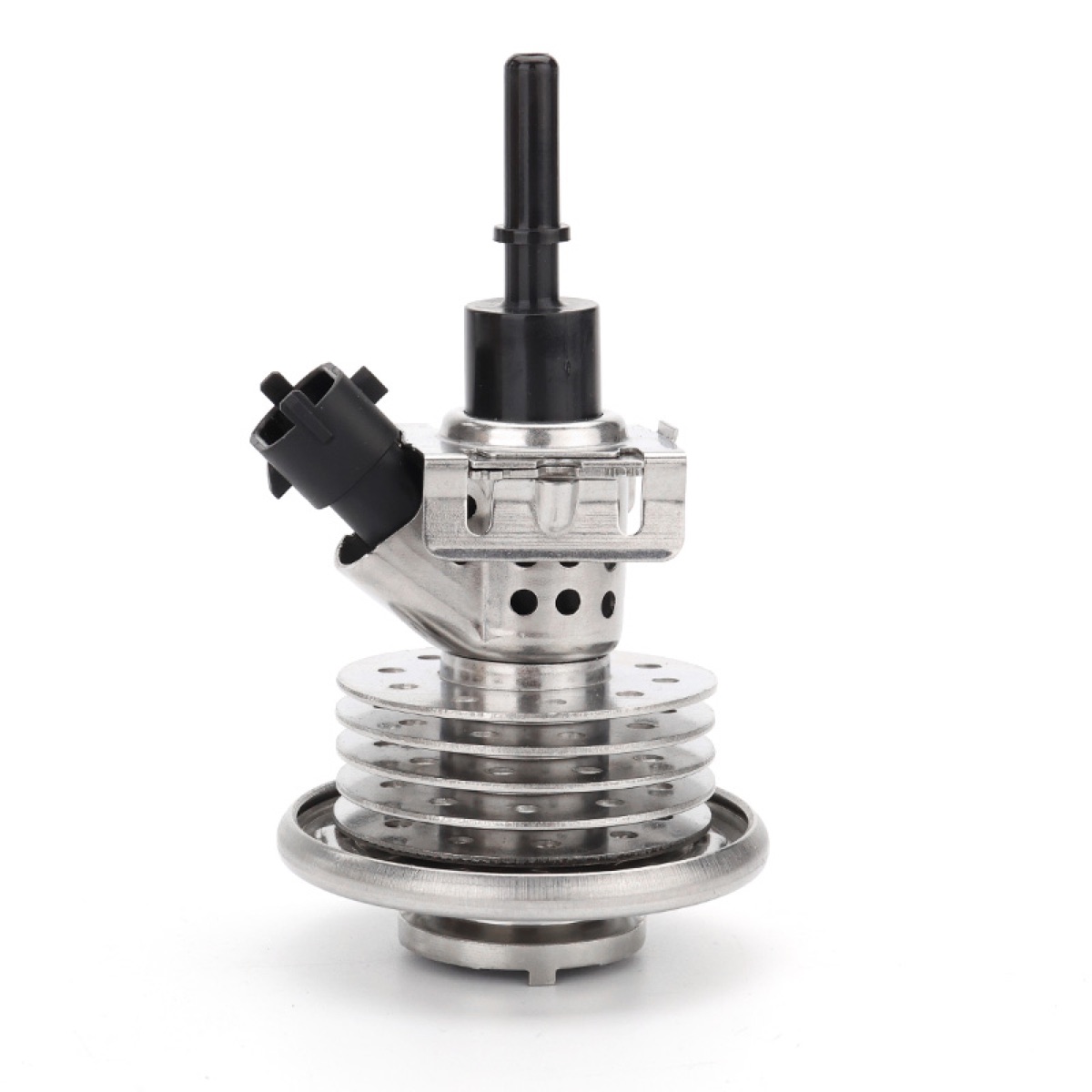
The DEF injector is a precision solenoid valve with orifices measured in microns. It operates in one of the most hostile environments in a vehicle: the exhaust stream. It must spray a precise mist into a 400°C gas stream while maintaining its own integrity. Poor quality DEF introduces variables that shorten the lifespan of this expensive component from years to months.
Common Contaminants and Their Chemical Impact
Poor quality DEF is often fluid contaminated with trace minerals or oils. Understanding these contaminants is the first step in diagnosing premature injector failure.
1. Metal and Mineral Contamination
When tap water is used to dilute urea, it introduces minerals like calcium and iron. In the high-heat exhaust, these minerals form a hard, ceramic-like scale on the injector tip. This scale effectively “welds” the nozzle shut or disrupts the spray pattern. This mineral buildup is often irreversible and cannot be cleaned with standard water soaks.
2. Petroleum and Oil Contamination
Using the same funnel for oil as is used for DEF is a common mistake. Even a drop of diesel fuel or oil can “poison” the DEF system. Oils create a film on the injector’s internal needle valve, causing it to stick. Furthermore, petroleum products cause the rubber seals inside the DEF pump and injector to swell and disintegrate, leading to internal leaks.
3. Urea Concentration Deviations
If the urea concentration is too high or too low, the ECM’s calibration is thrown off. High concentrations lead to rapid crystallization at the nozzle tip, while low concentrations require the injector to stay open longer. This increased “duty cycle” causes the solenoid to run hotter, eventually leading to electrical failure of the injector’s internal coil.
Mechanical Failure Modes Induced by Poor DEF
The impact of poor quality fluid is also mechanical. The injector’s longevity depends on the lubricating and cooling properties of the fluid.
Nozzle Erosion and “Puddling”
When DEF contains particulate matter, it acts like sandpaper. At the high pressures used in the SCR system, these particles erode the edges of the injector’s nozzle holes. As the holes widen, the atomization quality drops. Instead of a fine fog, the injector shoots “slugs” of fluid. These slugs hit the exhaust mixer and form massive urea deposits, which eventually block the entire exhaust pipe.
Solenoid Burnout
The ECM monitors the electrical resistance of the injector. When poor quality DEF causes the needle to stick, the solenoid must work harder to overcome the friction. This generates excess heat within the injector body. Over time, the insulation on the solenoid’s copper windings breaks down, leading to a short circuit.
P-Codes Associated with DEF Quality and Injector Failure
When the SCR system detects that the fluid is not performing as expected, it triggers specific codes:
- P207F: Reductant Quality Performance. The most direct code for poor DEF.
- P20EE: SCR NOx Catalyst Efficiency Below Threshold. Frequently caused by poor DEF failing to provide enough urea for the reaction.
- P204F: Reductant System Performance Bank 1. Points to pressure issues caused by debris clogging the injector filter.
- P208E: Reductant Injector Stuck Closed. Indicates the injector needle is unable to move due to crystallization or mineral scale.
Diagnostic Steps: Testing for Poor DEF
Before replacing the hardware, follow these steps:
- Refractometer Test: Check the urea concentration; it must be 32.5%.
- The Glass Jar Test: Draw a sample and look for “swirls” (oil), cloudiness, or sediment. Pure DEF should be as clear as water.
- Visual Nozzle Inspection: Remove the injector and look at the tip. White, powdery buildup is normal. Hard, tan “stone” is mineral scale and usually means the injector is toast.
- Odor Check: DEF should have a very faint ammonia smell. A pungent chemical odor indicates degradation.
Preventive Measures for Maximum Lifespan
- Only use ISO 22241 certified fluid. Look for the API certification mark.
- Avoid “Bulk” DEF from unknown sources. Transferring fluid increases contamination risk.
- Store DEF in the dark. UV light breaks down urea into ammonia.
- Replace your DEF filter every 150,000 miles. This is the last line of defense for your injector.
FAQ: Poor Quality DEF and Injector Health
Q: Can I “save” an injector that was used with bad DEF?
A: If the issue was simple crystallization, a hot water soak may restore it. However, if the injector was used with oil or mineral contamination, the internal seals are likely permanently damaged.
Q: Will the truck stop running if I use bad DEF?
A: Eventually, yes. The ECM will trigger a warning, then a speed limit, and finally a “Limp Mode” (5 mph) if NOx levels are not controlled.
Q: Can I use distilled water if I’m out of DEF?
A: NO. Distilled water will not reduce NOx. The system will detect zero reduction, trigger a P207F code, and put the vehicle into a derate condition within miles.
Q: Does DEF have an expiration date?
A: Yes. At 75°F, it lasts about 2 years. If stored in a hot truck (above 90°F), that life drops to 6 months or less. Always check the date code.
Recommended Resources and Products:
- Internal Blog: DEF Crystallization: Causes and Cures
- Related Product: VW Caddy 1.6/2.0 TDI DEF Dosing Valve
- External Authority: ISO 22241-1 Quality Specifications
- Technical Reference: Cummins SCR Aftertreatment Maintenance