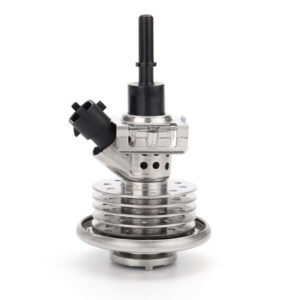
DPF vs SCR: Understanding the Key Differences in Diesel Emission Control Systems
Quick Answer:
No, DPF and SCR are not the same. They are two distinct emission control technologies that serve different purposes in diesel engines. DPF (Diesel Particulate Filter) removes soot particles, while SCR (Selective Catalytic Reduction) reduces nitrogen oxide (NOx) emissions.
If you're working with diesel engines or vehicles, you've likely encountered the terms DPF and SCR. While both are crucial emission control technologies, they serve entirely different functions in keeping diesel engines compliant with environmental regulations. Let's break down these systems to help you understand their unique roles and benefits.
What is a DPF (Diesel Particulate Filter)?
Diesel Particulate Filter captures and burns off soot particles
A Diesel Particulate Filter (DPF) is an exhaust aftertreatment device designed to capture and remove diesel particulate matter (soot) from the exhaust gas of diesel engines. Think of it as a sophisticated filter that traps tiny particles before they can be released into the atmosphere.
How DPF Works:
- Filtration: Exhaust gases pass through a porous ceramic or metal filter
- Particle Capture: Soot particles are trapped in the filter walls
- Regeneration: Accumulated soot is periodically burned off at high temperatures
- Ash Removal: Remaining ash must be manually cleaned during maintenance
What is SCR (Selective Catalytic Reduction)?
SCR system uses DEF injection to reduce NOx emissions
Selective Catalytic Reduction (SCR) is an advanced emission control technology that reduces nitrogen oxides (NOx) in diesel exhaust. It uses a liquid reductant, typically Diesel Exhaust Fluid (DEF), to convert harmful NOx into harmless nitrogen and water vapor.
How SCR Works:
- DEF Injection: Diesel Exhaust Fluid is injected into the exhaust stream
- Ammonia Formation: DEF decomposes to form ammonia (NH₃)
- Catalytic Reaction: Ammonia reacts with NOx over a catalyst
- Clean Output: NOx is converted to nitrogen (N₂) and water (H₂O)
Key Differences Between DPF and SCR
| Aspect | DPF | SCR |
|---|---|---|
| Primary Function | Removes soot particles (PM) | Reduces nitrogen oxides (NOx) |
| Method | Physical filtration | Chemical reaction |
| Consumables | None (self-cleaning) | DEF (Diesel Exhaust Fluid) |
| Maintenance | Periodic ash cleaning | DEF refills, catalyst replacement |
| Fuel Impact | Slight increase during regeneration | Can improve fuel economy |
Do You Need Both DPF and SCR?
Modern Diesel Systems
Most modern diesel vehicles and equipment use both DPF and SCR systems working together to meet stringent emission standards like EPA Tier 4 Final and Euro VI.
Yes, in most cases, modern diesel engines require both systems to meet current emission regulations. Here's why:
- Comprehensive Coverage: DPF handles particulate matter while SCR addresses NOx emissions
- Regulatory Compliance: Both are needed to meet EPA and CARB standards
- Optimized Performance: Each system can be tuned for maximum efficiency in its specific role
- Future-Proofing: Ensures compliance with evolving emission standards
SCR System Advantages: Our Expertise
Professional SCR system design and development
As SCR technology specialists, we've seen firsthand the benefits that properly designed SCR systems offer:
Performance Benefits
- • Up to 95% NOx reduction efficiency
- • Improved fuel economy potential
- • Enhanced engine performance
- • Lower maintenance costs vs. alternatives
Business Advantages
- • Regulatory compliance assurance
- • Custom labeling for OEMs
- • Professional design support
- • Quality guarantee and tech support
Choosing the Right Solution
When selecting emission control systems, consider these factors:
Key Considerations:
- Application Requirements: Mobile vs. stationary, duty cycle, power range
- Regulatory Standards: EPA Tier levels, CARB requirements, local regulations
- Operational Costs: DEF consumption, maintenance intervals, system reliability
- Integration Needs: Space constraints, control system compatibility
Professional SCR Solutions
Our team specializes in designing and developing customized SCR systems for OEMs and end-users. With 80% of our products supplied to original equipment manufacturers, we understand the unique challenges of integrating emission control systems into diverse applications.
Ready to Discuss Your SCR Needs?
Our professional team can help you design the perfect emission control solution for your application. We guarantee the highest quality products at competitive prices, backed by comprehensive technical support.
+86 153 5620 3087
Address
Building 13, Intelligent Industrial Zone
No.2777 Ningkang East Road
Yueqing City, Wenzhou City
Zhejiang Province, China
Conclusion
While DPF and SCR systems are both essential for modern diesel emission control, they serve distinctly different purposes. DPF removes particulate matter through filtration, while SCR reduces NOx emissions through chemical conversion. Most applications require both systems working in harmony to achieve complete emission compliance.
Understanding these differences is crucial for making informed decisions about emission control strategies. Whether you're an OEM looking for custom solutions or an end-user seeking the best technology for your application, proper system selection and design are key to long-term success.