Can You Bypass an SCR System? Understanding the Technical and Legal Implications
Important Disclaimer: This article is for educational purposes only. Bypassing or tampering with emissions control systems may be illegal in your jurisdiction and can result in significant penalties, environmental damage, and vehicle safety issues.
What is an SCR System?
Selective Catalytic Reduction (SCR) is an advanced emissions control technology designed to reduce nitrogen oxides (NOx) in diesel engine exhaust. This system uses a diesel exhaust fluid (DEF), typically a urea-based solution, to convert harmful NOx emissions into harmless nitrogen and water vapor.
Key SCR Components:
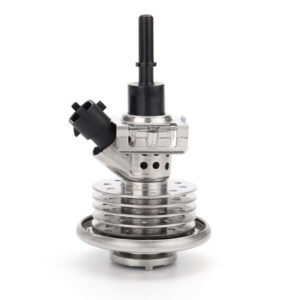
- DEF injection system
- SCR catalyst chamber
- NOx sensors (upstream and downstream)
- DEF tank and quality sensors
- Electronic control unit (ECU)
Technical Feasibility: Can SCR Systems Be Bypassed?
From a purely technical standpoint, SCR systems can potentially be bypassed through various methods. However, it's crucial to understand that modern SCR systems are sophisticated and integrated deeply into the vehicle's engine management system.
Common Bypass Methods
- ECU software modifications
- Sensor signal manipulation
- Physical component removal
- Aftermarket "delete" kits
Technical Challenges
- Complex diagnostic systems
- Multiple redundant sensors
- OBD-II compliance requirements
- Warranty and insurance voidance
Legal Implications in the United States
In the United States, tampering with emissions control systems is strictly regulated under federal law. The Clean Air Act makes it illegal to remove, bypass, or render inoperative any emissions control device on motor vehicles.
Federal Penalties
Individual Vehicle Owners:
- Up to $5,000 per violation
- Failed emissions inspections
- Registration renewal issues
Commercial Operations:
- Up to $4,527 per vehicle per day
- Criminal prosecution possible
- Business license revocation
State-Level Regulations
Many states have additional regulations:
- California: Strictest emissions standards (CARB)
- New York: Heavy penalties for commercial vehicles
- Texas: Regular emissions testing in major cities
- Pennsylvania: Annual safety and emissions inspections
Environmental and Health Impact
NOx Emissions Consequences
- Ground-level ozone formation
- Respiratory health issues
- Acid rain contribution
- Ecosystem damage
Public Health Impact
- Increased asthma rates
- Cardiovascular problems
- Premature mortality
- Healthcare cost burden
Legitimate SCR System Alternatives
Instead of bypassing SCR systems, consider these legal and effective alternatives for addressing SCR-related issues:
Proper Maintenance Solutions
- Regular DEF quality checks
- Scheduled catalyst cleaning
- Sensor calibration services
- Software updates
- Professional diagnostics
- OEM parts replacement
- System optimization
- Preventive maintenance programs
Advanced SCR Solutions
Our company specializes in providing custom SCR solutions that address common system challenges:
Custom Design
Tailored systems for specific applications
Expert Support
Professional technical assistance
Quality Assurance
Guaranteed performance and compliance
Cost-Benefit Analysis
| Aspect | SCR Bypass | Proper Maintenance |
|---|---|---|
| Initial Cost | $2,000-$5,000 | $500-$1,500 |
| Legal Risk | High ($5,000+ fines) | None |
| Warranty Impact | Voided | Maintained |
| Resale Value | Significantly reduced | Maintained/improved |
| Environmental Impact | Negative | Positive |
Professional SCR Services and Support
Expert SCR Solutions
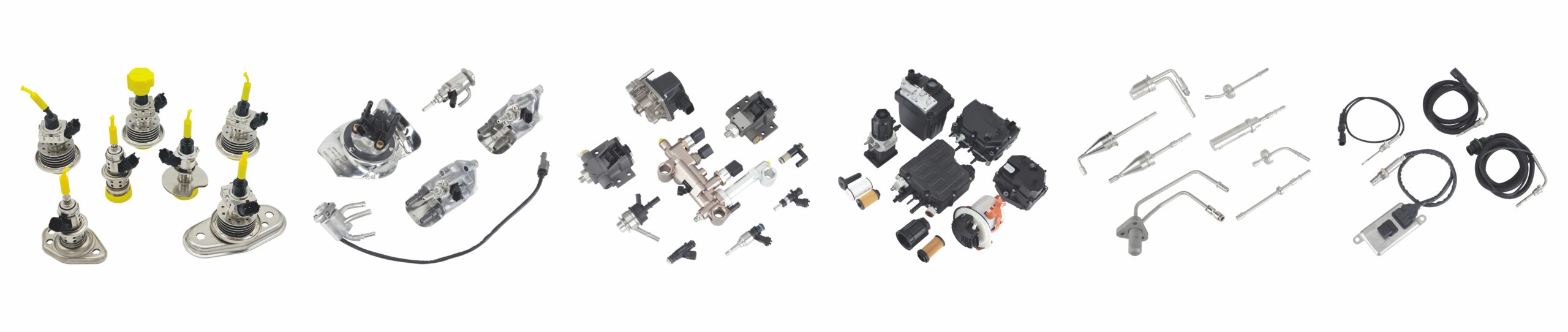
As a leading provider of SCR solutions, we specialize in custom systems for OEMs and offer comprehensive technical support for all your emissions control needs.
- Custom SCR system design and development
- OEM partnerships and private labeling
- Quality assurance and compliance certification
- Competitive pricing with technical excellence
Contact Our Team
Conclusion
While SCR systems can technically be bypassed, doing so is illegal, environmentally harmful, and financially risky. The short-term perceived benefits are far outweighed by the potential legal consequences, environmental damage, and long-term costs.
Instead of bypassing these critical emissions control systems, vehicle owners and fleet managers should focus on proper maintenance, professional support, and working with qualified SCR specialists to ensure optimal system performance while maintaining legal compliance.
Remember: Proper SCR maintenance and professional support not only keep you compliant with regulations but also contribute to cleaner air and a healthier environment for everyone.