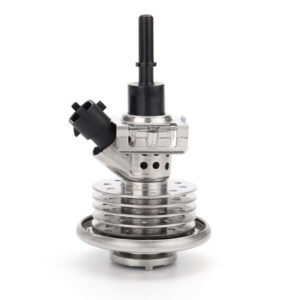
Chevy/GMC Duramax DEF Injector Maintenance: LML and L5P Guide
For owners of heavy-duty diesel trucks, the 6.6L Duramax engine is a symbol of power and longevity. However, since the introduction of the LML platform in 2011, the added complexity of emissions systems has introduced new maintenance challenges. At the heart of these systems is the Duramax DEF injector, also known as the Duramax dosing valve. This small but critical component is responsible for spraying Diesel Exhaust Fluid (DEF) into the exhaust stream to reduce NOx emissions.
If you own a Chevy Silverado or GMC Sierra, understanding how your SCR system works—and how to maintain it—is the difference between a reliable workhorse and a truck stuck in “Limp Mode.” In this technical guide, we will explore the evolution of the Duramax DEF system, identify failure symptoms, and provide a comprehensive maintenance walkthrough.
Duramax Emissions Evolution: LML vs. L5P
The implementation of Selective Catalytic Reduction (SCR) technology in Duramax engines marked a significant shift in diesel performance. While both the LML and L5P variants utilize DEF, their configurations differ in ways that affect maintenance and failure rates.
The LML Era (2011–2016)
The LML Duramax was the first to feature the Bosch-sourced DEF system. In this setup, the Chevy Silverado SCR system relies on a frame-mounted DEF tank and a dosing valve located just before the SCR catalyst. The LML system is notorious for crystallization issues, where the urea in the DEF dries out and clogs the injector nozzle. This often leads to the dreaded “Exhaust Fluid Quality Poor” message on the Driver Information Center (DIC).
The L5P Transition (2017–Present)
With the launch of the L5P, GM redesigned the emissions architecture. The L5P system moved many components closer to the engine to improve heat retention, which helps the SCR catalyst reach operating temperature faster. While the Duramax dosing valve on the L5P is generally more robust than its predecessor, it is not immune to failure. The L5P system is highly sensitive to DEF pressure; even a minor clog can trigger a GMC Sierra DEF failure notification, leading to restricted vehicle speeds.
Warning Signs of a Failing Duramax DEF Injector
A failing DEF injector rarely stops working without warning. Usually, the truck’s Engine Control Module (ECM) will detect a discrepancy in NOx reduction or line pressure before a total failure occurs. Monitoring these signs can save you from an expensive roadside breakdown.
Diagnostic Trouble Codes (DTCs)
The most objective sign of trouble is a “Check Engine” light accompanied by specific codes. Common codes include:
- P204F: Reductant System Performance Bank 1.
- P20E8: Reductant Pressure Too Low.
- P21DD: Reductant Heater 1 Low Voltage.
If you see these codes, the Duramax DEF injector is a primary suspect.
The “Limp Mode” Countdown
GM’s software is designed to be unforgiving regarding emissions. If the system detects a GMC Sierra DEF failure, it will initiate a speed-limitation sequence. Initially, you may be limited to 65 mph, then 55 mph, and eventually 5 mph. This is a safety and regulatory feature to ensure the truck is not operated while exceeding NOx limits.
Crystallization Around the Nozzle
If you crawl under the truck and inspect the dosing valve, you might see a white, chalky substance. This is crystallized urea. While some buildup is normal on the exterior, excessive “volcano-like” formations indicate that the injector is leaking or not sealing properly between pulses, which disrupts the Chevy Silverado SCR system efficiency.
Step-by-Step Cleaning and Replacement Walkthrough
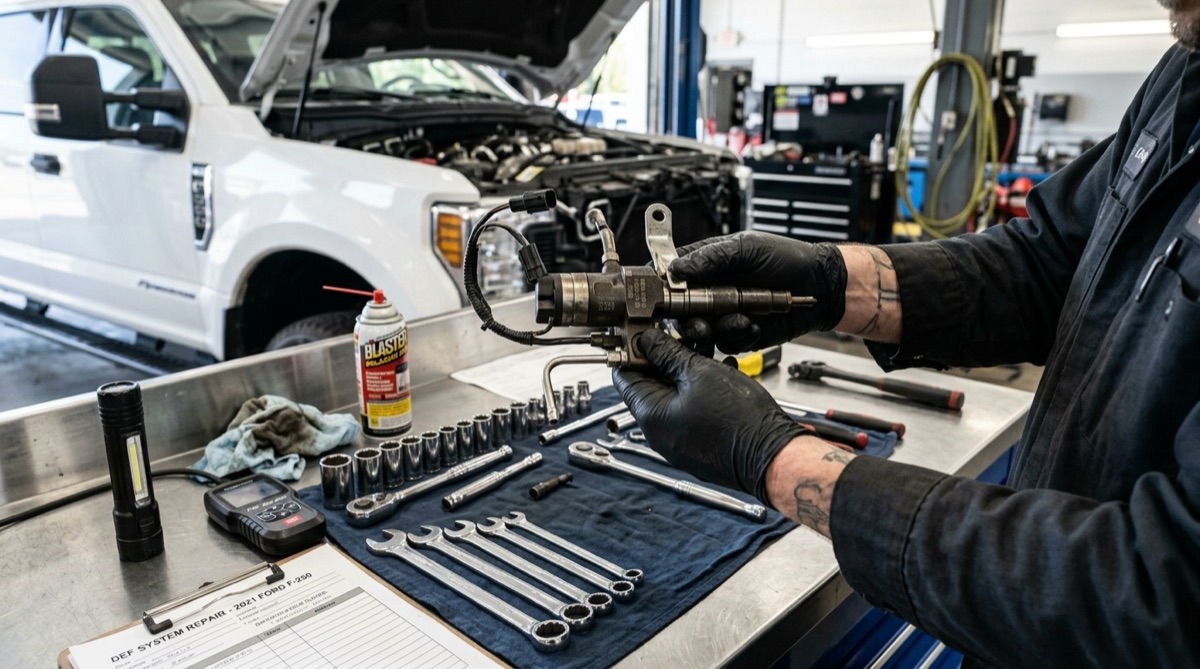
Maintaining the Duramax dosing valve can often be done with basic hand tools. If your truck is showing early signs of a clog, a thorough cleaning might restore functionality. If the internal solenoid has failed, replacement is necessary.
Required Tools and Safety
You will need a 10mm socket, a flathead screwdriver, and distilled water. Note: Never use tap water to clean internal DEF components, as minerals will contaminate the SCR catalyst. Ensure the exhaust is completely cool before starting work.
Step 1: Locating the Injector
The injector is located on the exhaust pipe, typically before the large SCR canister. It is held in place by a metal clamp or a two-bolt flange. On L5P models, access may be tighter due to the updated chassis design.
Step 2: Removal and Inspection
Disconnect the electrical connector by sliding the locking tab. Carefully disconnect the DEF line—be prepared for a small amount of fluid to leak out. Remove the mounting bolts or clamp and pull the injector from the exhaust. Inspect the nozzle for hard carbon or urea deposits.
Step 3: The Distilled Water Soak
To clean a Duramax DEF injector, soak the nozzle end in warm distilled water. This will dissolve the urea crystals. Do not poke the nozzle holes with a wire, as this can damage the precision-machined orifices. After soaking, wipe the nozzle clean with a lint-free cloth.
Step 4: Installation
If the injector is clean and the solenoid tests correctly (using a multimeter to check resistance), reinstall it with a new gasket. If you are installing a new unit, ensure the seating surface on the exhaust pipe is clean to prevent exhaust leaks.
Choosing the Right Replacement Injector for Your Duramax
When it comes to the Chevy Silverado SCR system, the “cheapest” part is often the most expensive in the long run. There are several factors to consider when purchasing a replacement Duramax dosing valve.
OEM vs. Aftermarket
Genuine GM/ACDelco injectors are designed specifically for the flow rates programmed into your truck’s ECM. Some ultra-cheap aftermarket injectors have inconsistent spray patterns, which can lead to “DEF Quality Poor” messages even with a brand-new part. However, high-quality specialized aftermarket injectors from reputable diesel performance brands can offer improved resistance to clogging.
Matching the VIN
Because the Duramax DEF injector design changed significantly between 2016 and 2017, always verify your VIN before ordering. An LML injector will not fit an L5P, and vice versa. Additionally, the connectors and mounting angles vary depending on whether the truck is a 2500HD or a 3500HD chassis cab.
FAQ
Can I drive my Duramax with a disconnected DEF injector?
No. The ECM monitors the pressure and electrical circuit of the Duramax dosing valve. If disconnected, the truck will immediately enter a “service emissions” state and eventually limit your speed to 5 mph. Furthermore, running without DEF injection can cause the DPF (Diesel Particulate Filter) to clog more rapidly.
How often should I clean the DEF injector?
For most drivers, cleaning is only necessary when a warning light appears. However, if you do a lot of idling or short-trip driving where the exhaust doesn’t reach full temperature, the risk of a GMC Sierra DEF failure increases. In these cases, a preventative inspection every 30,000 miles is recommended.
What causes the “Exhaust Fluid Quality Poor” message?
While it sounds like the fluid is the problem, this message is usually triggered because the NOx sensors don’t see the expected drop in emissions. This is often caused by a clogged Duramax DEF injector failing to deliver the proper amount of fluid, rather than the fluid itself being contaminated.
Is the DEF injector covered under warranty?
Emissions components are often covered under a separate federal emissions warranty that lasts longer than the standard bumper-to-bumper warranty. If your truck is under 8 years old or has less than 80,000 miles (for certain components), check with your dealer before performing a DIY replacement of the Chevy Silverado SCR system parts.
By staying proactive with your Duramax DEF injector maintenance, you can ensure your truck stays on the road and out of the shop. Whether you’re towing heavy loads or commuting, a healthy SCR system is vital for the performance and longevity of your Duramax engine.
Recommended Resources and Products:
- Internal Blog: Top 5 Signs Your DEF Injector is Failing
- Related Product: High-Performance Dosing Valves
- External Authority: Diesel Exhaust Fluid Standards
- Technical Reference: Aftertreatment Diagnostic Tips