Mercedes-Benz Bluetec AdBlue Problems: A Complete Guide for GLK, ML, and Sprinter
The Bluetec Legacy: Engineering vs. Reality
Mercedes-Benz was a pioneer in bringing clean diesel technology to the luxury market with its “Bluetec” branding. From the fuel-efficient GLK 250 and the powerful ML 350 to the workhorse Sprinter vans, the Selective Catalytic Reduction (SCR) system promised low emissions without sacrificing performance. However, as these vehicles age, the “AdBlue” system has become the Achilles’ heel of the Mercedes diesel lineup. Owners often find themselves facing a system that was designed for the highway but struggles with the stop-and-go nature of city driving and the harsh winters of North America.
The most infamous symptom is the “XX Starts Remaining” message on the instrument cluster. Unlike other manufacturers who might just leave a check engine light on, Mercedes uses a hard countdown that will eventually prevent the vehicle from starting entirely. This guide breaks down the most common Bluetec failures and how to address them.
The Field Measure P001/P002 Recalls and Settlements
In recent years, Mercedes-Benz has issued major “Field Measures” (recalls) for many Bluetec vehicles following legal settlements related to emission performance. These updates involve replacing the NOx sensors and updating the SCR software to be more robust. If you are facing an AdBlue countdown, the very first step should be to check your VIN on the Mercedes-Benz recall portal. You might be eligible for a free repair, a software update, and an extended warranty on the emission system, which could save you thousands of dollars in out-of-pocket costs and extend the service life of your vehicle significantly.
1. The AdBlue Heater Failure (The Winter Nightmare)
By far the most common failure on the GLK and ML platforms is the AdBlue heater. The heating element inside the AdBlue tank is prone to cracking and electrical shorts. When the temperature drops, the system fails its self-test, and the countdown begins. Because the heater is integrated into the “Pre-Scan” or “Delivery Module,” Mercedes dealers often quote upwards of $2,500 for a full tank replacement. This module includes the level sensor, temperature sensor, and the heating element itself, all encased in a plastic housing that can become brittle over time. Symptoms include codes like P205C (Temperature Sensor Low) or “AdBlue Check Level” warnings that don’t go away even after refilling. If you’re dealing with crystallization-related heater issues, read our deep dive on AdBlue crystallization causes and cures.
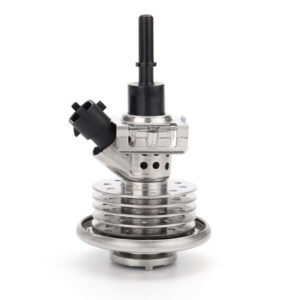
Regular cleaning of the Sprinter AdBlue injector can prevent expensive system shutdowns.
2. Sprinter Specific Issues: NOx Sensors and Pumps
While the passenger cars suffer from tank issues, the Sprinter (2500/3500) is notorious for NOx sensor failure. Sprinters often operate in high-duty cycles, leading to soot buildup on the sensors. A single bad NOx sensor can trigger a “Service Exhaust Fluid” message that won’t reset without a professional Xentry diagnostic tool. Additionally, the AdBlue pump in Sprinters is known to fail if the system is allowed to run dry or if contaminated fluid is used. The pump relies on the fluid for lubrication and cooling; running it dry even once can cause catastrophic internal scoring. We provide high-durability replacement sensors and injectors specifically for Sprinter vans in our products section.
Sprinter Maintenance: The “Wet” Injector Test
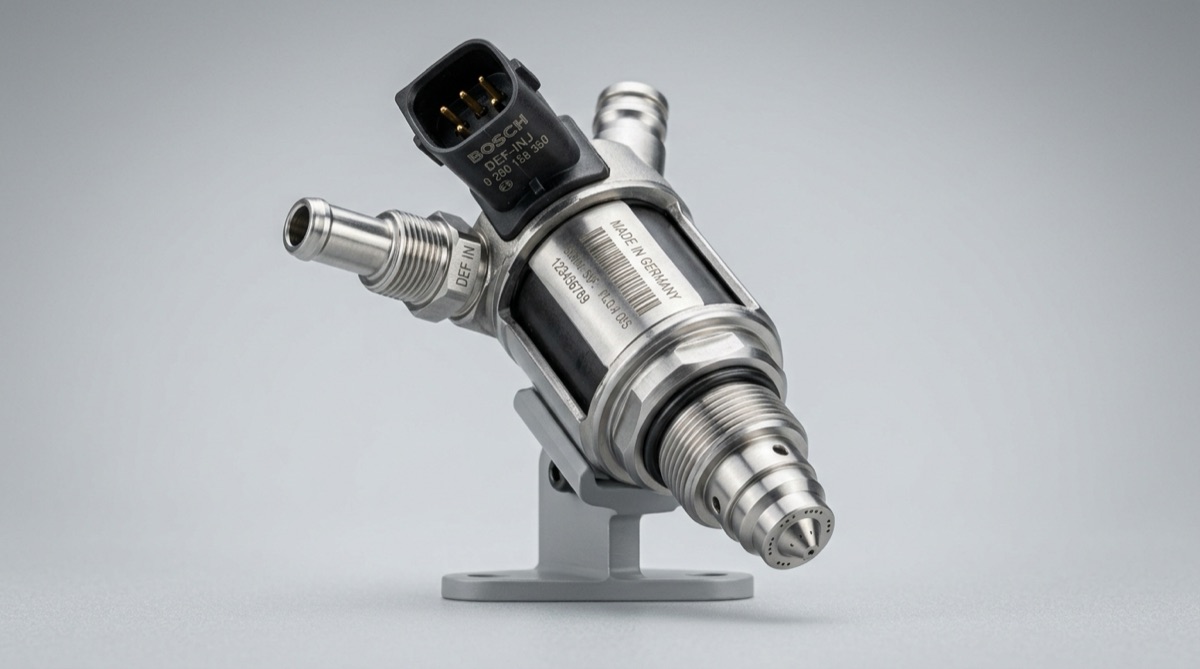
For Sprinter owners, a common diagnostic trick is the “wet” test. By removing the injector from the exhaust pipe but leaving it connected to the line, you can command a test spray using a diagnostic tool like Xentry or an advanced Autel unit. A healthy Sprinter injector should produce a fine, cone-shaped mist. If it “drips,” “squirts” like a water gun, or has a lopsided spray pattern, it will cause local cooling of the catalyst face. This “cold spot” prevents the SCR reaction from occurring, leading to the dreaded P20EE code. This is a common failure point on the OM642 V6 and OM651 4-cylinder engines found in 2500 and 3500 models.
3. The “Starts Remaining” Countdown: How to Reset
One of the biggest frustrations for owners is that even after replacing the faulty part, the “Starts Remaining” message often stays on the dash. This is because the Mercedes ECM requires a specific “SCR Adaptation” or “Reset” procedure. This cannot usually be done with a generic OBDII scanner from an auto parts store; it requires a tool capable of performing the Mercedes “AdBlue Reset” sequence, which involves checking the sensor values while the engine is at a specific operating temperature. In some cases, the vehicle must be driven for 20-30 minutes at highway speeds for the ECM to verify the repair and clear the countdown automatically.
4. Detailed Component Breakdown: The AdBlue Delivery Module
In most Mercedes Bluetec models, the AdBlue system is not just a tank and a pump; it is a complex assembly known as the “Delivery Module.” This module sits inside the tank and houses the pickup screen, the pressure sensor, and the primary heater. One of the most common failure points is the internal electrical connector where the heater pins meet the harness. Over time, the aggressive nature of the urea solution can cause the seals to fail, leading to fluid wicking up the wires. This ‘wicking’ effect can eventually reach the SCR controller or even the engine’s main ECU if not caught early. For ML owners, accessing this tank requires dropping the rear suspension or removing the trunk floor, while GLK owners have slightly better access through the spare tire well area. Understanding these physical layout differences is key for the DIY mechanic planning a weekend repair.
Additionally, the role of the ‘Pre-Scan’ tool in Mercedes diagnostics cannot be overstated. Unlike generic scanners, a professional-grade tool can read the individual voltage values of the heater elements. If your heater is drawing more than 15 amps or less than 5 amps, it is a clear sign of impending failure, even if no code has been set yet. Proactive monitoring of these values during annual service can save you from being stranded by a ‘Starts Remaining’ countdown on a cold winter morning.
5. Maintenance and Prevention
To keep your Bluetec system healthy, follow these rules:
- Never “Top Off” the Tank: Mercedes tanks use a complex venting system. Overfilling can push fluid into the vent lines, where it crystallizes and causes pressure codes or even damages the venting valves.
- Use High-Quality Fluid: Use only Mercedes-approved (AdBlue) or ISO 22241 compliant fluid. Cheap fluid often has higher mineral content which kills the heater and pump over time.
- Update Your Software: Many GLK and ML models have outstanding TSBs (Technical Service Bulletins) for SCR software updates that improve the system’s tolerance for minor sensor variations.
For more owner-driven troubleshooting, visit the BenzWorld AdBlue Forum or the Sprinter AdBlue Troubleshooting Guide.
Towing, Consumption, and Final Advice
One final note for ML and Sprinter owners who use their vehicles for towing: your AdBlue consumption will increase significantly under load. When the engine is working harder, it produces more NOx, requiring more DEF for neutralization. Many owners are surprised when their “2,000 miles remaining” warning suddenly drops to “500 miles” during a long towing trip. Always carry a spare gallon of ISO 22241 fluid in your trunk if you plan on hauling heavy loads. Furthermore, be proactive: check your AdBlue tank for leaks (often visible as white stalactites of dried urea) during every oil change. Catching a small leak early can prevent fluid migration into the electrical connectors, which is the leading cause of “unfixable” wiring harness damage in these luxury SUVs.
Conclusion
The Mercedes Bluetec system is a marvel of engineering that requires equally precise maintenance. While the “Starts Remaining” countdown can be terrifying, most issues stem from a handful of well-known failure points like the tank heater or NOx sensors. By staying informed and using high-quality components, you can keep your Mercedes diesel running cleanly for hundreds of thousands of miles. Remember that prevention is always cheaper than repair, especially when dealing with the complex electronics of a modern Mercedes-Benz.