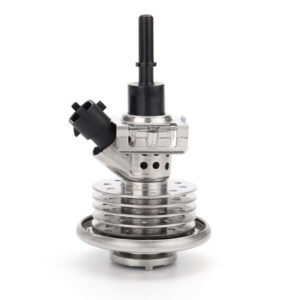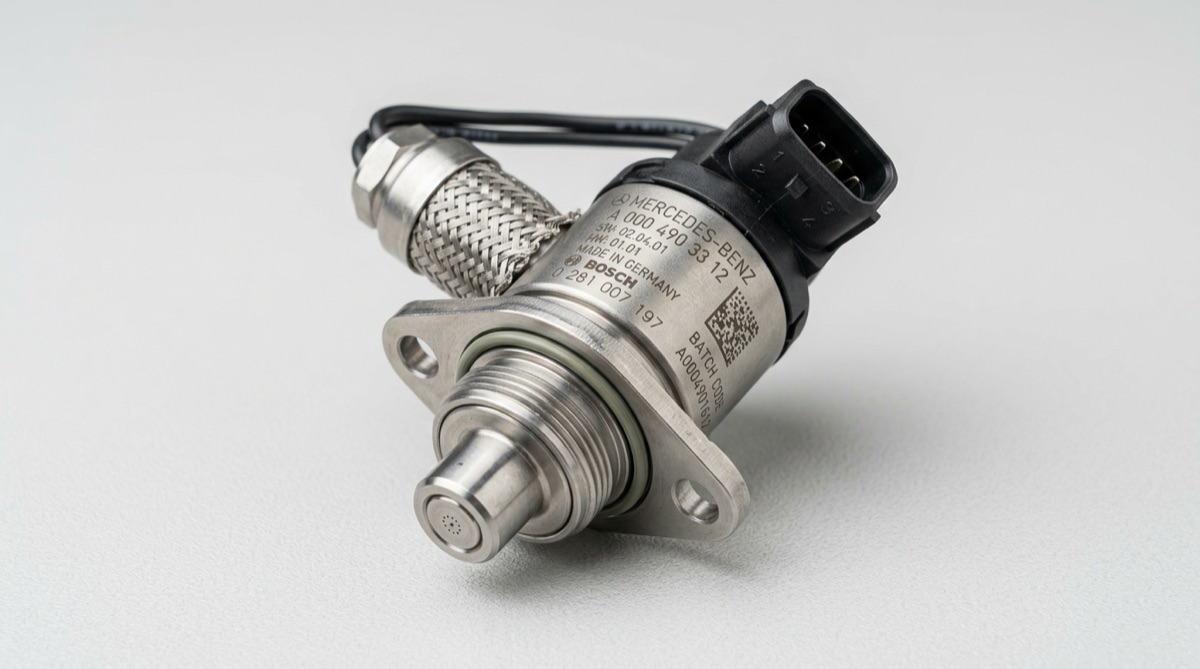
The Sprinter DEF Dilemma
The Mercedes-Benz Sprinter (and its Freightliner/Dodge variants) is a marvel of German engineering and efficiency, but its BlueTEC emissions system is notoriously sensitive to even the smallest deviations in fluid quality or flow. At the heart of this system is the DEF dosing valve—often simply called the “injector.” Because Sprinters are frequently used for “last-mile” delivery, they suffer from an operational cycle characterized by short trips, frequent engine starts, and long periods of idling. These are the worst possible conditions for an SCR system.
When the dosing valve fails or clogs, the Sprinter enters a “Starts Remaining” countdown. This is a mandatory safety feature that ensures the vehicle remains emissions-compliant. Once that counter hits zero, the van will not start, potentially leaving a driver stranded with a full load of cargo. This guide provides a precision walkthrough for diagnosing and replacing the dosing valve on the 2.1L and 3.0L BlueTEC engines, helping you avoid a tow to the dealership.
Identifying a Failing Sprinter Dosing Valve
The first sign of trouble is usually a “Check Engine” light (MIL) accompanied by a subtle decrease in fuel economy. Because the Sprinter’s computer is highly sophisticated, it can detect even a 5% deviation in the expected DEF flow rate.
The “Starts Remaining” Logic
Why does the van count down? The EPA and European emissions standards require that a vehicle cannot operate indefinitely with a failed emissions system. In the Sprinter, the countdown (usually starting at 10 or 16 starts) is triggered when the ECM detects that the NOx reduction is insufficient or the DEF pressure is unstable. Replacing the injector is often the only way to satisfy the computer and stop the countdown.
Relevant P-Codes for Sprinter
- P20BD: Reductant Heater “B” Control Circuit / Open. This points to the heating element inside the lines leading to the injector.
- P208E: Protective limitation of the service life of the SCR exhaust aftertreatment system. In Sprinter-speak, this almost always means the injector nozzle is physically blocked by urea crystals.
- P2047: The output for the reductant metering valve has a short circuit to ground. This is an electrical failure of the injector solenoid.
- P20EE: SCR NOx catalyst efficiency is too low (Bank 1). This is a general efficiency code that requires a “Dosing Test” to isolate the injector from the NOx sensors.
Step-by-Step Replacement Procedure
Replacing the valve is a task a confident DIYer or a shop technician can handle in about 45 minutes with the right tools.
Tools Required
- 10mm socket and ratchet (or a T-30 Torx for some models)
- Small flat-head screwdriver (for connector tabs)
- Clean, lint-free cloth
- Deionized water (for cleaning the area)
- Scan tool with Mercedes-specific software (e.g., Xentry, Autel, or iCarsoft)
1. Preparation and Safety
Ensure the exhaust is completely cool. The dosing valve is located just after the Diesel Particulate Filter (DPF) on the passenger side of the exhaust pipe. Wear gloves and eye protection, as DEF is irritating and the exhaust components can have sharp edges.
2. Disconnection
Locate the dosing valve on the side of the exhaust pipe. Carefully disconnect the electrical connector by pressing the locking tab. These tabs are brittle; if it’s stuck, do not force it. Next, remove the DEF line. Caution: The line may be under slight residual pressure. Have a rag ready to catch any drips and immediately wipe any DEF off the metal exhaust parts to prevent corrosion.
3. Removal
The valve is held in place by a single 10mm bolt and a V-band style clamp or a simple bracket depending on the year (NVC3 vs VS30). Loosen the fastener and gently wiggle the valve out. If it is stuck, it is likely due to urea crystallization. Do not pry with a screwdriver, as you can damage the mounting flange. Instead, spray a little warm water around the base to dissolve the “rock” crystals.
4. Inspection and Cleaning
Look at the injector port in the exhaust pipe. If there is a large buildup of white “rock,” you must carefully scrape it out. Ensure no large chunks fall into the exhaust, as they can damage the expensive SCR catalyst brick downstream.
5. Installation of the New Valve
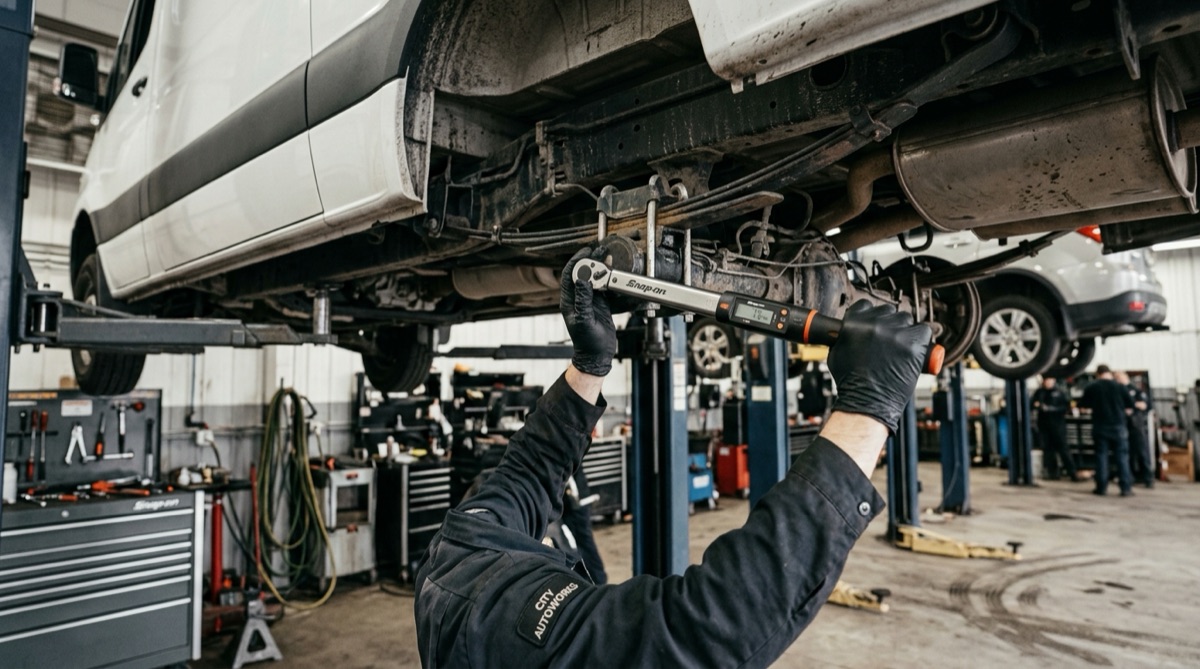
Seat the new dosing valve into the port. Ensure the metal gasket is properly aligned and seated in the groove. Reinstall the bracket/clamp and tighten the 10mm bolt to approximately 8-10 Nm. Reconnect the DEF line until it “clicks” and snap the electrical connector back in place.
The Critical Step: Adaptation Reset
Simply replacing the part is not enough. The Sprinter’s ECM keeps a “learned value” for the old, clogged injector. If you don’t reset this, the computer will continue to apply the wrong pressure and timing to the new valve, which will keep the “Check Engine” light on.
- Connect your scan tool.
- Navigate to the “SCR Control Module” (sometimes called N118/5).
- Select “Adaptations” or “Learning Processes.”
- Run the “Reset adaptation values of the SCR metering valve” procedure.
- Clear all stored fault codes and perform a 20-minute test drive to verify the NOx reduction.
Maintenance Comparison: Sprinter vs. Heavy Duty
| Feature | Sprinter (Light Duty) | Class 8 (Heavy Duty) |
|---|---|---|
| Injector Cooling | Air Cooled (Mostly) | Coolant Cooled |
| Failure Mode | Crystallization (City Driving) | Electrical Short (High Heat) |
| Replacement Ease | High (Accessible from side) | Moderate (Often above transmission) |
| System Pressure | ~75 PSI (Low pressure) | ~130 PSI (High pressure) |
| Connector Type | Plastic Snap | Metal Twist or Snap |
FAQ: Sprinter Dosing Valves
Q: Can I use a generic dosing valve on my Mercedes?
A: It is highly discouraged. Sprinter systems are calibrated for the specific flow rate and spray angle of the Bosch or Continental valves used by Mercedes. Generic valves often have incorrect flow rates, which will trigger the P20EE efficiency code immediately. Stick to OEM or high-quality brands like DEFInjector.com.
Q: My van says “10 Starts Remaining.” Will replacing the valve fix this?
A: Yes, if the valve was the cause of the low efficiency. However, you *must* perform the adaptation reset with a scan tool to clear the countdown. The van will not “automatically” realize the part is new just by driving it.
Q: How do I prevent the valve from clogging again?
A: The best prevention is a “highway run” once a week. Driving at sustained highway speeds (60+ mph) for 30 minutes gets the exhaust hot enough to naturally burn off any urea buildup. Also, ensure you are using fresh, high-quality DEF.
Recommended Resources and Products:
- Internal Blog: DIY Cleaning Guide for DEF Injectors
- Related Product: Mercedes Sprinter Dosing Valve Replacement
- External Authority: Sprinter-Source Forums – Technical Section
- Technical Reference: Mercedes-Benz Official Maintenance Guidelines