The Fleet Manager’s Challenge: Minimizing SCR Downtime
In the world of logistics, “Uptime” is the only metric that truly matters. For fleets powered by Cummins engines—ranging from the workhorse L9 to the heavy-duty X15—the Selective Catalytic Reduction (SCR) system is often the leading cause of non-scheduled maintenance. A single “DEF System Failure” warning can trigger a 5-mph derate, turning a profitable long-haul journey into an expensive towing bill and a missed delivery. For a fleet manager, managing these systems is a balancing act between environmental compliance and operational efficiency.
Maximizing uptime requires moving from a *reactive* repair mindset to a *proactive* maintenance strategy. This guide outlines the specific maintenance logic for Cummins SCR systems and how to manage the DEF injector and associated components to keep your fleet on the road. We will explore the specialized tools and intervals that separate high-performing fleets from those constantly stuck in the shop.
Cummins SCR Architecture Overview
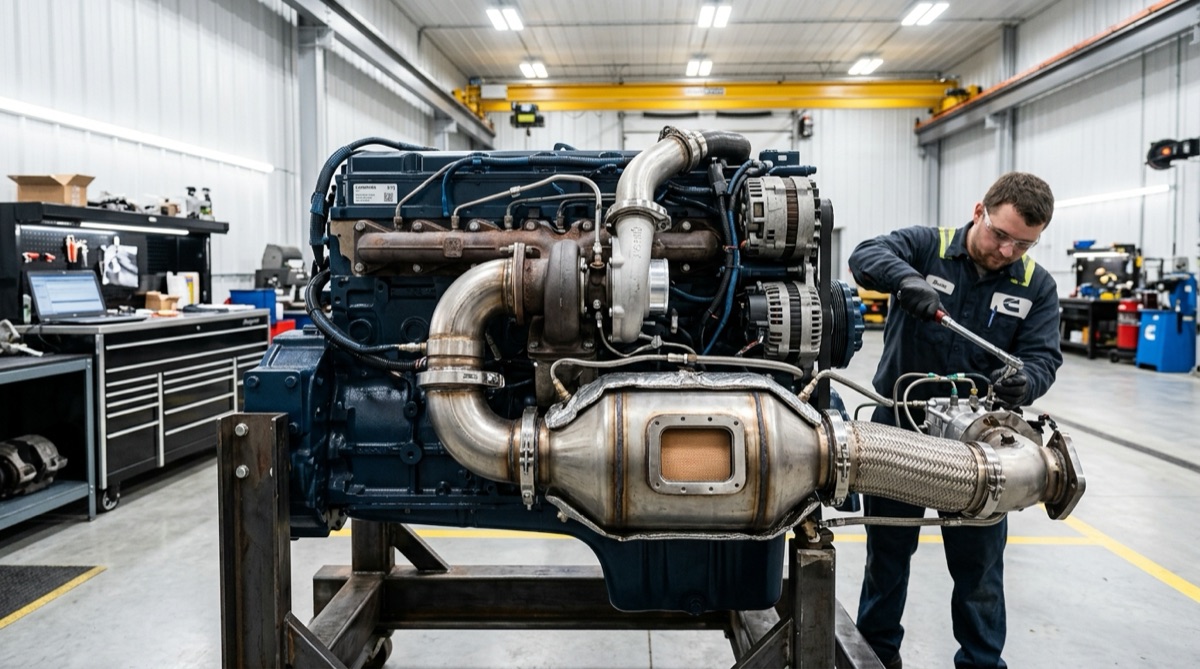
Cummins utilizes a high-pressure dosing system that is notably robust but requires precise maintenance. Unlike some older systems that used air-assist, modern Cummins designs (especially the Single Module aftertreatment) are “airless” and rely on a high-pressure electric pump. This system is highly integrated with the Engine Control Module (ECM). The system relies on the “Aftertreatment Control Module” to monitor a suite of sensors. For a fleet manager, understanding that the SCR is a system of dependencies is critical: if the DEF pump isn’t reaching 130 PSI, the injector won’t atomize correctly, and the NOx sensors will fault, leading to a cascade of expensive errors.
Critical Maintenance Milestones
To ensure longevity, fleet managers should adhere to a strict schedule that exceeds the basic “oil and filter” routine.
The DEF Filter: The First Line of Defense
On Cummins systems, the DEF filter is typically located on the pump module. Cummins recommends replacement every 200,000 miles or 4,500 hours. However, in dusty environments or when using “tote” DEF from bulk storage, this should be halved to 100,000 miles. A restricted filter causes the pump to work harder, leading to internal overheating and premature motor failure. If the pump fails, the entire module (costing $1,500+) usually requires replacement.
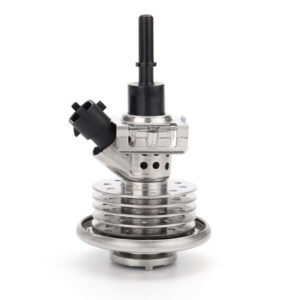
The Dosing Valve (Injector) Inspection
The Cummins dosing valve is cooled by engine coolant. While this prevents the DEF from boiling in the tip, it doesn’t prevent external crystallization.
- Visual Check: Every 50,000 miles, the injector should be pulled.
- The “Coffee Clean”: If white deposits are present, soak the tip in hot deionized water. This simple 15-minute procedure can prevent a $600 replacement.
- Electrical Check: Inspect the harness for signs of “wicking,” where DEF travels up the copper wires and into the ECM.
Diagnostic P-Codes for Cummins Fleets
When a truck enters the shop, these Cummins-specific codes should be prioritized using the INSITE software:
- P1912 / Cummins 1673: Reductant Tank Level – Data Erratic. Often a sensor failure in the tank header or a build-up of ice.
- P2047 / Cummins 1677: Reductant Injection Valve Circuit – Open. Wiring harness or solenoid failure. Check for broken pins at the connector.
- P20EE / Cummins 3582: SCR Catalyst Efficiency Below Threshold. This is the most common fleet code. It requires a “Dosing Quantity Test” to verify if the injector is under-performing.
- P208A / Cummins 3558: Reductant Pump Control Circuit Low. Check the pump relay and the dedicated 15A fuse.

Step-by-Step Cummins Aftertreatment Diagnostic
- Check DEF Quality: Use a refractometer to ensure the DEF is at 32.5%. “Bad fuel” is a common excuse, but “bad DEF” is a frequent reality in fleets using bulk tanks that aren’t cleaned regularly.
- Override Test: Using Cummins INSITE software, run the “Aftertreatment Diesel Exhaust Fluid Doser Pump Override Test.” This verifies if the pump can maintain a steady 130 PSI.
- Leak Test: Observe the injector during the pressure test. It should hold 130+ PSI for at least 60 seconds without a single drop of leakage from the nozzle.
Preventative Maintenance Table
| Item | Action | Interval |
|---|---|---|
| DEF Filter | Replace Main Pump Filter | 150,000 Miles |
| Tank Vent | Clean Filter/Breather to prevent vacuum | Every Service |
| NOx Sensors | Check for Soot Build-up via Scan Tool | 100,000 Miles |
| Injector Tip | Warm Water Cleaning and Gasket Swap | 50,000 Miles |
| DEF Tank | Drain and Flush to remove sediment | Every 3 years |
Fleet Cost Analysis: Cleaning vs. Replacement
For a fleet of 50 trucks, replacing injectors every time a P20EE code appears costs approximately $30,000 (part + labor). Implementing a “pull and soak” program during scheduled service intervals reduces this to roughly $2,500 in labor costs. This is a 90% saving and significantly reduces the risk of “Limp Mode” events during long hauls.
FAQ: Fleet Cummins Maintenance
Q: Can we bypass the SCR system to save on maintenance?
A: No. “Deleting” is a federal offense with massive fines from the EPA. Furthermore, modern ECMs are extremely difficult to “trick,” and the resale value of a deleted truck is significantly lower. Most importantly, it’s detrimental to the air quality in the communities where your fleet operates.
Q: Why do my Cummins engines go through so many NOx sensors?
A: Excessive idling is the primary cause. Idling leads to lower exhaust temperatures, which causes soot to accumulate on the sensors. Reducing idle time via “Automatic Engine Start-Stop” (AESS) is the best way to extend NOx sensor life.
Q: Is “Platinum DEF” worth the extra cost for a fleet?
A: Platinum DEF contains surfactants designed to reduce crystallization. For fleets with high idle times or short-haul duty cycles (where the exhaust doesn’t get hot enough to clear deposits), it can be a cost-effective preventative measure that pays for itself in reduced downtime.
Q: What is the average lifespan of a Cummins DEF pump?
A: With regular filter changes, a pump should last 500,000 miles. Without filter changes, we see failures as early as 150,000 miles due to abrasive wear on the internal ceramic plungers.
Q: How do I know if my DEF tank heater is working?
A: In cold weather, you should see the “DEF Temp” PID on your scan tool rise as the engine warms up. If the fluid stays below 12°F while the coolant is at 180°F, your heater control valve or the internal tank heating coil has failed.
Q: Can I use tap water to top off my DEF tank in an emergency?
A: NEVER. Tap water will permanently “poison” the SCR catalyst with minerals. This turns a $200 problem into a $10,000 replacement. If you are low on DEF, the engine will derate, but it won’t break; adding water *will* break it.
Recommended Resources and Products:
- Internal Blog: DEF Crystallization Prevention
- Related Product: High-Performance Fleet DEF Injectors
- External Authority: Cummins Official Aftertreatment Support
- Technical Reference: Fleet Maintenance Magazine – SCR Systems