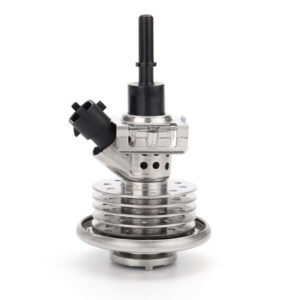
Does EGR Reduce Engine Life? Understanding the Impact on Your Vehicle
If you're a vehicle owner, fleet manager, or automotive enthusiast, you've probably heard about EGR (Exhaust Gas Recirculation) systems and wondered about their impact on engine longevity. This is a legitimate concern that deserves a comprehensive answer based on engineering facts and real-world experience.
What is EGR and Why Does It Exist?
EGR systems redirect a portion of exhaust gases back into the engine's combustion chamber. This process serves a critical environmental purpose: reducing nitrogen oxide (NOx) emissions by lowering combustion temperatures. Since the Clean Air Act amendments of 1990, EGR systems have become mandatory on most diesel and gasoline engines in the United States.
Key Point: EGR systems are not optional accessories—they're federally mandated emissions control devices that help vehicles meet EPA standards.
The Real Impact on Engine Life
Potential Challenges
Let's address the elephant in the room: EGR systems can present certain challenges that may affect engine performance and longevity if not properly managed:
- Carbon Buildup: Recirculated exhaust gases contain particulates that can accumulate in the intake system, potentially affecting airflow over time.
- Reduced Combustion Efficiency: Diluting fresh air with exhaust gases can slightly reduce combustion efficiency, particularly under heavy load conditions.
- Increased Maintenance Requirements: EGR components require periodic cleaning and maintenance to function optimally.
- Potential for Component Failure: Like any mechanical system, EGR valves and coolers can fail, leading to performance issues if not addressed promptly.
The Engineering Reality
However, modern engines are specifically designed to work with EGR systems. Here's what the engineering data tells us:
- Designed Integration: Today's engines are engineered from the ground up to accommodate EGR flow rates and characteristics.
- Advanced Materials: Modern EGR components use corrosion-resistant materials and improved designs that minimize negative impacts.
- Sophisticated Control: Electronic control units precisely manage EGR operation based on engine load, temperature, and operating conditions.
- Complementary Systems: EGR works alongside other emissions control technologies like SCR (Selective Catalytic Reduction) to optimize both emissions and performance.
Maximizing Engine Life with EGR Systems
Best Practices
- • Regular EGR valve cleaning (every 30,000-50,000 miles)
- • Use high-quality engine oil with appropriate change intervals
- • Ensure proper air filter maintenance
- • Address EGR-related codes promptly
- • Consider periodic intake cleaning services
Warning Signs
- • Rough idle or stalling
- • Increased fuel consumption
- • Black smoke from exhaust
- • Check engine light activation
- • Loss of power under acceleration
The SCR Advantage: A Modern Solution
While EGR systems focus on preventing NOx formation during combustion, Selective Catalytic Reduction (SCR) technology offers a different approach—treating NOx after combustion occurs. This complementary technology provides several advantages:
SCR Benefits for Engine Longevity:
- Allows engines to operate at optimal combustion temperatures
- Reduces reliance on EGR, minimizing carbon buildup issues
- Improves fuel efficiency compared to EGR-only systems
- Enables better engine performance while meeting emissions standards
Industry Perspective: OEM Solutions
As a provider of SCR solutions to original equipment manufacturers (OEMs), we've observed that the most successful emissions control strategies combine multiple technologies. Modern heavy-duty engines typically use both EGR and SCR systems, with each technology optimized for specific operating conditions.
Our experience with custom labeling and system development has shown that proper integration and maintenance of emissions control systems—rather than their elimination—leads to the best long-term engine performance and reliability.
The Bottom Line
Does EGR reduce engine life? The answer is nuanced:
In properly maintained systems: EGR has minimal impact on engine life when vehicles receive appropriate maintenance and use quality fuels and lubricants.
In neglected systems: Poor maintenance can lead to carbon buildup and component failures that may affect engine performance and longevity.
The key is understanding that modern engines are designed as integrated systems. Removing or disabling EGR components not only violates federal law but can also disrupt the carefully calibrated balance that manufacturers have engineered for optimal performance.
Moving Forward: Smart Maintenance Strategies
For vehicle owners and fleet managers concerned about engine longevity, the focus should be on:
- Preventive Maintenance: Follow manufacturer-recommended service intervals for all emissions control components
- Quality Components: Use OEM or high-quality aftermarket parts when replacement is necessary
- Professional Service: Work with technicians who understand modern emissions control systems
- System Integration: Consider how EGR, SCR, and other systems work together rather than viewing them in isolation
Need Expert Guidance?
Whether you're dealing with EGR issues, considering SCR upgrades, or need custom emissions control solutions, our team provides comprehensive technical support and quality assurance.
Contact us for professional consultation:
📱 WhatsApp: +86 153 5620 3087
📧 Email: [email protected]
📍 Address: Building 13, Intelligent Industrial Zone, No.2777 Ningkang East Road, Yueqing City, Wenzhou City, Zhejiang Province, China
This article is based on current automotive engineering practices and regulations. Always consult with qualified technicians for specific vehicle concerns and comply with all applicable emissions regulations.