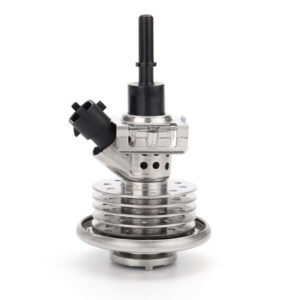
What is the lifespan of a dosing pump
When investing in dosing pump technology for your industrial operations, understanding equipment lifespan is crucial for budgeting, maintenance planning, and ensuring continuous operational efficiency. As a leading provider of SCR solutions and custom labeling systems, we frequently address this critical question for our OEM partners and industrial clients.
Average Lifespan Expectations
Typical dosing pump lifespan ranges from 5 to 15 years, depending on pump type, application conditions, and maintenance practices.
The lifespan varies significantly based on several factors, but here's what you can generally expect:
- Diaphragm pumps: 8-12 years with proper maintenance
- Peristaltic pumps: 5-10 years (tubing replacement every 1-2 years)
- Piston pumps: 10-15 years in optimal conditions
- Gear pumps: 8-12 years depending on fluid compatibility
Key Factors Affecting Dosing Pump Lifespan
1. Operating Conditions
Environmental factors play a crucial role in determining pump longevity:
- Temperature extremes: High temperatures accelerate wear on seals and components
- Humidity levels: Excessive moisture can cause corrosion in electrical components
- Chemical exposure: Aggressive chemicals require specialized materials and more frequent maintenance
- Pressure variations: Consistent pressure extends lifespan compared to frequent fluctuations
Optimal Conditions
- • Stable temperature (60-80°F)
- • Low humidity environment
- • Compatible chemical fluids
- • Consistent pressure ranges
- • Clean installation area
Challenging Conditions
- • Temperature extremes (>120°F or <32°F)
- • High humidity (>80%)
- • Corrosive chemicals
- • Frequent pressure spikes
- • Dusty or contaminated environments
2. Maintenance Quality and Frequency
Regular maintenance is the single most important factor in extending dosing pump lifespan. Our technical support team recommends:
Maintenance Schedule
Daily
- • Visual inspection
- • Check for leaks
- • Monitor pressure readings
Monthly
- • Calibration verification
- • Clean external surfaces
- • Check electrical connections
Annually
- • Replace wear parts
- • Full system calibration
- • Professional inspection
3. Fluid Characteristics
The type of fluid being dosed significantly impacts pump longevity:
- Viscosity: High-viscosity fluids increase mechanical stress
- Abrasiveness: Particulate matter accelerates wear on internal components
- Chemical compatibility: Incompatible materials lead to premature failure
- Temperature: Hot fluids affect seal integrity and component expansion
Maximizing Your Dosing Pump Investment
Pro Tip from Our Engineering Team
Investing in quality components upfront and maintaining a proactive maintenance schedule can extend pump lifespan by 30-50% compared to reactive maintenance approaches.
Best Practices for Longevity
- Proper Sizing: Ensure your pump is correctly sized for the application to avoid overworking components
- Quality Installation: Professional installation prevents premature wear from misalignment or improper connections
- Regular Calibration: Maintain accuracy while reducing mechanical stress on components
- Use Genuine Parts: OEM replacement parts ensure compatibility and maintain warranty coverage
- Monitor Performance: Track flow rates, pressure, and power consumption to identify issues early
When to Consider Replacement
Even with excellent maintenance, dosing pumps eventually require replacement. Watch for these warning signs:
Performance Issues
- • Decreased flow accuracy
- • Frequent calibration requirements
- • Inconsistent dosing patterns
- • Increased power consumption
Physical Signs
- • Visible leaks or seepage
- • Unusual noise or vibration
- • Corrosion on metal components
- • Frequent component failures
Cost-Benefit Analysis: Repair vs. Replace
As pumps age, repair costs typically increase while reliability decreases. Consider replacement when:
- Annual maintenance costs exceed 40% of replacement cost
- Downtime frequency impacts production schedules
- Parts availability becomes limited
- Energy efficiency has significantly decreased
Our Commitment to Quality and Support
As specialists in SCR solutions and custom labeling systems, we understand that dosing pump reliability is critical to your operations. Our professional team provides:
- • Custom system design optimized for your specific application
- • Quality assurance on all products and installations
- • Comprehensive technical support throughout the equipment lifecycle
- • Competitive pricing without compromising on quality
- • OEM partnerships ensuring authentic parts and service
Conclusion
Understanding dosing pump lifespan helps you make informed decisions about equipment investment, maintenance budgeting, and replacement planning. While typical lifespans range from 5-15 years, proper selection, installation, and maintenance can significantly extend this range.
Remember that every application is unique, and working with experienced professionals ensures you get the maximum return on your dosing pump investment. Our team is ready to help you design, implement, and maintain systems that deliver reliable performance for years to come.
Need expert guidance on dosing pump selection or maintenance? Contact our technical support team for personalized recommendations based on your specific application requirements.