How to Identify a Blocked AdBlue Injector: A Complete Diagnostic Guide
Learn the warning signs, diagnostic procedures, and preventive measures to keep your SCR system running efficiently
Important Notice
A blocked AdBlue injector can lead to reduced engine performance, increased emissions, and potential system damage. Early detection is crucial for maintaining compliance and avoiding costly repairs.
Understanding AdBlue Injector Function
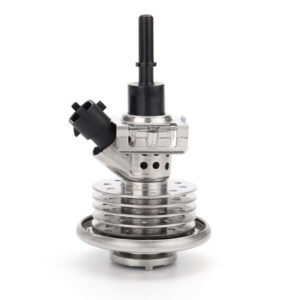
The AdBlue injector is a critical component of your vehicle's Selective Catalytic Reduction (SCR) system. It precisely meters and injects diesel exhaust fluid (DEF) into the exhaust stream, where it breaks down harmful nitrogen oxides (NOx) into harmless nitrogen and water vapor. When this injector becomes blocked, the entire emission control system's effectiveness is compromised.
Key Components of the AdBlue System
- •AdBlue tank and level sensor
- •Supply module and pump
- •Injector and dosing control unit
- •SCR catalyst and NOx sensors
Common Warning Signs of a Blocked Injector
Dashboard Warnings
- 1 AdBlue warning light illuminated
- 2 "DEF Quality Poor" message
- 3 Engine derate warnings
- 4 SCR system malfunction alerts
Performance Issues
- 1 Reduced engine power output
- 2 Increased fuel consumption
- 3 Rough idling or poor acceleration
- 4 Excessive exhaust smoke
Diagnostic Procedures
Step 1: Visual Inspection
Begin with a thorough visual examination of the AdBlue injector and surrounding components:
- ✓Check for crystalline deposits around the injector tip
- ✓Look for signs of leakage or corrosion
- ✓Inspect electrical connections for damage
- ✓Examine supply lines for blockages
Step 2: Diagnostic Scan
Use an OBD-II scanner or professional diagnostic tool to retrieve fault codes:
Common Fault Codes:
- P20EE - SCR NOx Catalyst Efficiency Below Threshold
- P204F - Reductant Dosing System Performance
- P20B9 - Reductant Pressure Too Low
- P20BA - Reductant Pressure Too High
Step 3: Flow Rate Testing
Measure the actual AdBlue flow rate against manufacturer specifications:
| Engine Load | Expected Flow Rate | Acceptable Range |
|---|---|---|
| Idle | 0.5-1.0 L/hr | ±10% |
| 50% Load | 2.0-3.5 L/hr | ±15% |
| Full Load | 4.0-6.0 L/hr | ±20% |
Advanced Testing Methods
Professional Diagnostic Equipment
Pressure Testing
- •System pressure should be 5-7 bar
- •Check for pressure drops during injection
- •Verify pump performance under load
Temperature Monitoring
- •AdBlue freezes at -11°C (12°F)
- •Monitor heating system operation
- •Check for thermal cycling damage
Root Causes of Injector Blockage
Poor Quality AdBlue
Contaminated or degraded DEF can crystallize and block injector nozzles, leading to system failure.
Extended Storage
Vehicles left unused for extended periods allow AdBlue to crystallize in the injection system.
Temperature Extremes
Frequent freeze-thaw cycles can damage injector components and create blockages.
Prevention and Maintenance
Best Practices for AdBlue System Care
Regular Maintenance
- 1 Use only ISO 22241-compliant AdBlue
- 2 Replace AdBlue every 12 months maximum
- 3 Keep tank at least 1/4 full year-round
- 4 Schedule professional system cleaning annually
Storage Guidelines
- 1 Store AdBlue in original sealed containers
- 2 Maintain temperature between -5°C and 30°C
- 3 Avoid direct sunlight and contamination
- 4 Use dedicated filling equipment only
When to Seek Professional Help
Professional Service Indicators
Immediate Attention Required:
- • Engine derate mode activated
- • Multiple SCR fault codes present
- • Complete loss of AdBlue injection
- • Persistent warning messages
Scheduled Service Needs:
- • Annual system inspection and cleaning
- • Injector replacement (every 100,000 miles)
- • System software updates
- • Comprehensive diagnostic testing
Expert SCR Solutions
Our specialized team provides comprehensive SCR system diagnostics, custom AdBlue injection solutions, and ongoing technical support. With 80% of our products supplied to OEMs, we understand the critical importance of maintaining optimal system performance.
Key Takeaways
- ✓Regular monitoring and maintenance prevent costly AdBlue injector blockages
- ✓Early detection through dashboard warnings and performance changes saves repair costs
- ✓Professional diagnostic equipment provides accurate blockage assessment
- ✓Quality AdBlue and proper storage practices extend system lifespan
- ✓Timely professional service ensures optimal SCR system performance