Why Does My Truck Regenerate So Often?
If your diesel truck is going into DPF regeneration every 100-200 miles instead of the normal 400-600 miles, something is wrong. Frequent regenerations waste fuel, increase engine wear, and signal an underlying problem in the aftertreatment system. What many drivers do not realize is that the DEF system and the DPF are more connected than they appear.
The short answer: Excessive DPF regeneration is caused by higher-than-normal soot production. The most common triggers are (1) a clogged or failing DEF injector that forces the ECU to alter fuel timing, (2) a degraded SCR catalyst that cannot process NOx efficiently, (3) excessive idle time or short trips that prevent passive regeneration, (4) engine problems like worn injectors or turbo issues that increase soot, and (5) a partially blocked DPF that cannot fully clear during normal regeneration cycles. Fixing the underlying cause—not just resetting the system—restores normal regeneration intervals.
This guide explains the connection between DEF system health and DPF regeneration frequency, how to diagnose the root cause, and what you can do to fix it.
How DPF Regeneration Works
The Diesel Particulate Filter (DPF) traps soot particles from the exhaust. Over time, the filter fills with soot and must be cleaned. This cleaning process is called regeneration:
Passive Regeneration
During normal highway driving, exhaust temperatures reach 500-600°C (932-1,112°F). At these temperatures, soot naturally oxidizes and burns off without any special action. This is passive regeneration, and it is the ideal scenario. A truck driven primarily at highway speed may never need active regeneration.
Active Regeneration
When the truck operates at low speeds or idle, exhaust temperatures stay below 350°C (662°F)—too cool for passive regeneration. The DPF fills with soot, and the ECU triggers active regeneration. The ECU injects extra fuel into the exhaust stream, raising the temperature to 600-650°C (1,112-1,202°F) to burn off the accumulated soot.
Forced Regeneration
If the DPF becomes too clogged for active regeneration to handle, a technician must initiate forced regeneration using a scan tool. This is the most aggressive regeneration mode and indicates a serious problem.
How the DEF System Affects DPF Regeneration
The DEF system and the DPF are separate components, but they are linked through the ECU’s emissions control strategy. Here is how a DEF problem causes excessive DPF regenerations:
Scenario 1: Clogged DEF Injector → Altered Fuel Timing → More Soot
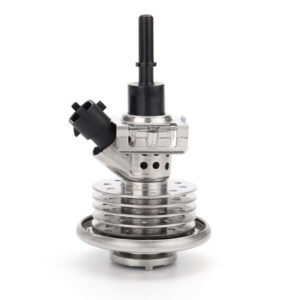
When the DEF injector is clogged or under-dosing, the SCR catalyst cannot reduce NOx effectively. The ECU detects high downstream NOx and attempts to compensate by adjusting fuel injection timing. Retarded injection timing reduces combustion temperature, which reduces NOx but increases soot production. More soot means the DPF fills faster and regenerates more often.
Scenario 2: Failed SCR Catalyst → ECU Derate Strategy → More Soot
A failed SCR catalyst allows NOx to pass through unreduced. The ECU responds with a derate strategy that alters the air-fuel ratio and EGR flow. These changes increase soot output, overloading the DPF.
Scenario 3: DEF Quality Sensor Fault → Conservative Operating Mode
If the DEF quality sensor reports contaminated or incorrect fluid, the ECU enters a conservative operating mode with altered fuel timing and increased EGR. Both changes increase soot production.
Top 5 Causes of Excessive DPF Regeneration
| Rank | Cause | Typical Symptom | Regen Interval |
|---|---|---|---|
| 1 | Short trips / excessive idle | Normal when warm; frequent when cold | 100-200 miles |
| 2 | Clogged DEF injector | P20EE + increased regens | 150-250 miles |
| 3 | Failed SCR catalyst | P20EE persists after injector fix | 100-200 miles |
| 4 | Engine problems (injectors, turbo, EGR) | Black smoke + power loss | 50-150 miles |
| 5 | Partially blocked DPF | Regens incomplete; codes return quickly | 100-200 miles |
How to Diagnose Excessive Regeneration
Follow this diagnostic sequence to identify the root cause:
Step 1: Check Driving Patterns
Before blaming components, evaluate how the truck is operated. Trucks used for delivery, construction, or urban driving with frequent stops will regenerate more often than highway trucks. If the truck never reaches highway speed for 20+ minutes, passive regeneration cannot occur, and active regeneration becomes the norm.
Rule of thumb: If 75% of driving is below 45 mph, expect regenerations every 200-300 miles. This is normal. If the truck is driven at highway speeds and still regenerates every 100-200 miles, there is a mechanical problem.
Step 2: Scan for DEF and SCR Codes
Use a scan tool to check for:
- P20EE (SCR catalyst efficiency)
- P204F (reductant system performance)
- P20B9 (DEF heater fault)
- P203F (DEF level/quality)
If any of these codes are present, address the DEF system first before investigating the DPF.
Step 3: Monitor Live Data During Regeneration
During an active regeneration, monitor:
- Exhaust temperature before DPF: Should reach 600-650°C. If temperature is low, the fuel doser or injection strategy is not working.
- DPF differential pressure: Should drop significantly during regeneration. If pressure remains high, the DPF is blocked.
- Soot load percentage: Should decrease from 80-100% to 10-20% during a successful regen.
Step 4: Inspect Engine Components
If the DEF system is healthy and driving patterns are normal, check for engine problems that increase soot:
- Worn fuel injectors (excessive black smoke)
- Turbocharger leaks or failures
- EGR valve stuck open
- Air filter restriction
- Excessive crankcase blow-by
How to Fix Excessive Regeneration
The fix depends on the root cause:
If the DEF System Is the Cause
- Replace the clogged DEF injector or dosing module.
- Use only ISO 22241-compliant DEF.
- Replace the DEF filter.
- Clear codes and complete a highway drive cycle.
If the DPF Is the Cause
- Perform forced regeneration with a scan tool.
- If forced regen fails, remove and clean the DPF (professional service).
- If cleaning fails, replace the DPF ($800-$2,500).
If Engine Problems Are the Cause
- Repair fuel injectors, turbo, or EGR system.
- Replace air filter.
- Address oil consumption or blow-by issues.
If Driving Patterns Are the Cause
- Schedule a 20-minute highway drive once per week.
- Avoid excessive idle time.
- Consider a DPF delete only if legally permitted (off-road/race use only).
Frequently Asked Questions
How often should my truck regenerate?
Highway-driven trucks: every 400-600 miles. City/short-trip trucks: every 200-300 miles. More frequent than this indicates a problem.
Can I interrupt a regeneration?
Yes, but avoid it. If you must shut off during regeneration, the ECU will resume when conditions allow. Frequent interruptions cause incomplete regens and DPF blockage.
Does regeneration use extra fuel?
Yes. Active regeneration consumes 1-3 gallons of extra diesel per cycle. Excessive regenerations can reduce fuel economy by 5-10%.
Can a bad DEF injector cause more regenerations?
Yes. A clogged or under-dosing DEF injector forces the ECU to alter fuel timing, which increases soot production and DPF loading.
How long does a regeneration take?
Active regeneration typically takes 20-40 minutes at highway speed. Forced regeneration may take 30-60 minutes.
What happens if I never let my truck regenerate?
The DPF becomes completely blocked, triggering permanent derate mode. Eventually, the engine will not start or will stall immediately.
Can I clean my DPF myself?
DIY DPF cleaning is not recommended. Professional cleaning uses thermal or aqueous processes that restore the filter without damaging the substrate. Pressure washing or chemical soaking can destroy the DPF.
Does idling count toward regeneration?
No. Active regeneration requires exhaust flow and temperature that only occur at driving speed. Idling cools the exhaust and prevents regeneration.
Can I tell when my truck is regenerating?
Yes. Signs include: slightly higher idle RPM, reduced engine response, smell of hot exhaust, and on some models, a message on the dashboard.
Where can I get help with DEF and DPF problems?
Browse our DEF system catalog for replacement injectors, dosing modules, and diagnostic resources.
Conclusion
Excessive DPF regeneration is a symptom, not the disease. The root cause is almost always increased soot production triggered by a DEF system fault, engine problem, or driving pattern issue. Simply forcing regeneration over and over will not fix the underlying problem and will eventually destroy the DPF.
To restore normal regeneration intervals, diagnose systematically: check driving patterns, scan for DEF/SCR codes, monitor live data during regen, and inspect engine components. Fix the root cause, and the DPF will return to its normal 400-600 mile cycle.
For more DEF system and DPF maintenance guides, visit our complete diesel aftertreatment resource library.